Sinan / Classical
Atik Valide Mosque
1571–1586 · Üsküdar / Toptaşı
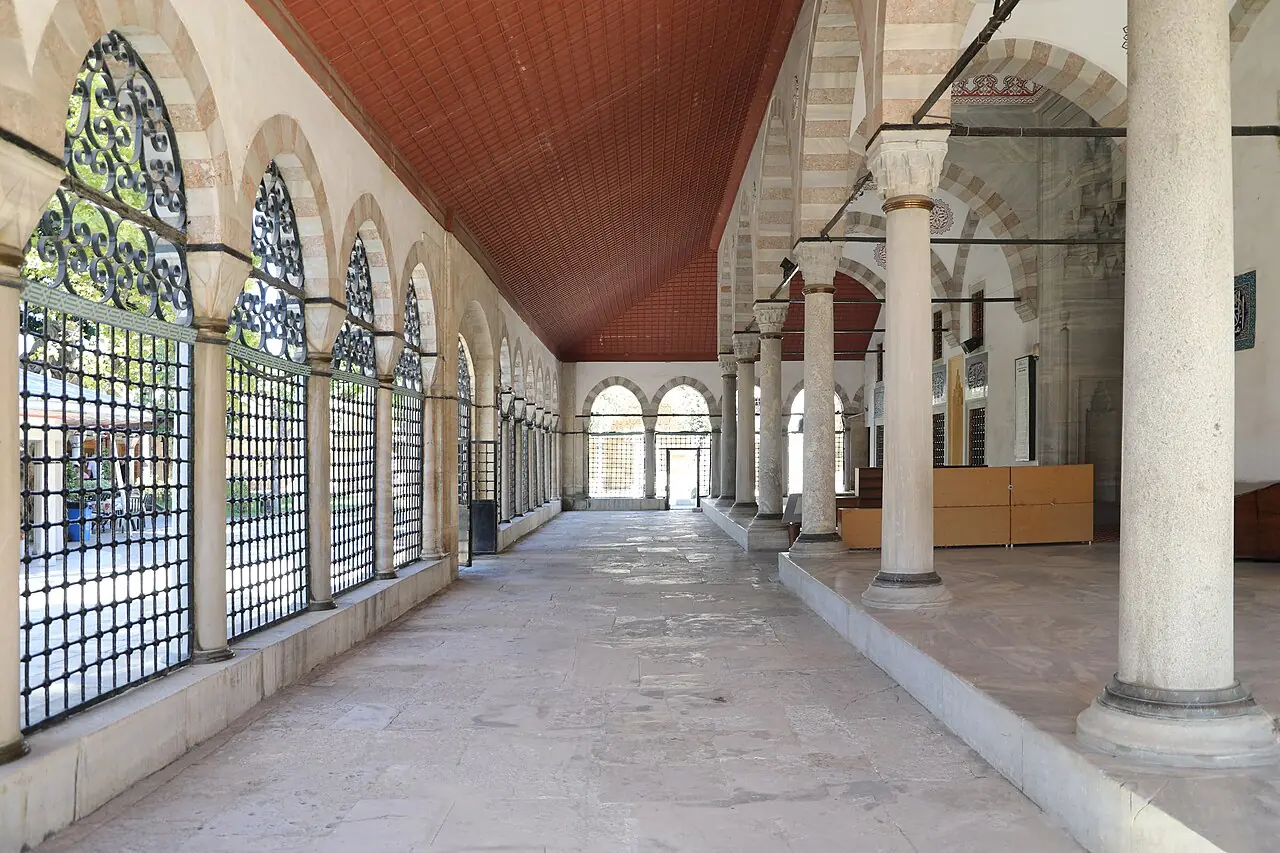
Three-stage construction spanning 15 years (1571–1586), completed posthumously — and one of the largest külliye complexes Sinan designed anywhere, rivaling the Süleymaniye in institutional breadth (mosque, medrese, hospital, hadith school, caravanseray, bath-house, dervish convent).
- Dome
- 12.7 m
- Minarets
- 2
- Built
- 1571–1586
- Architect
- Mimar Sinan
- Patron
- Nurbanu Sultan
- District
- Üsküdar / Toptaşı
History
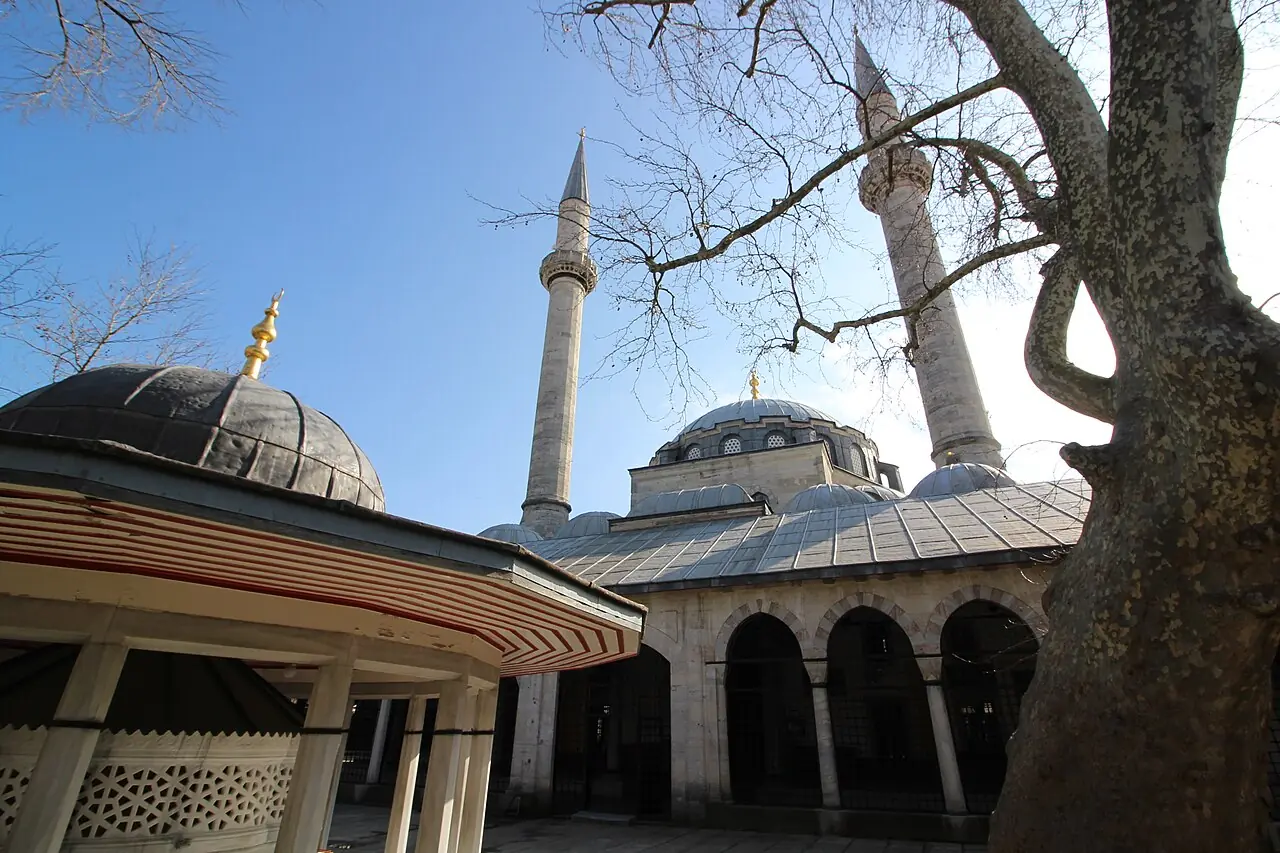
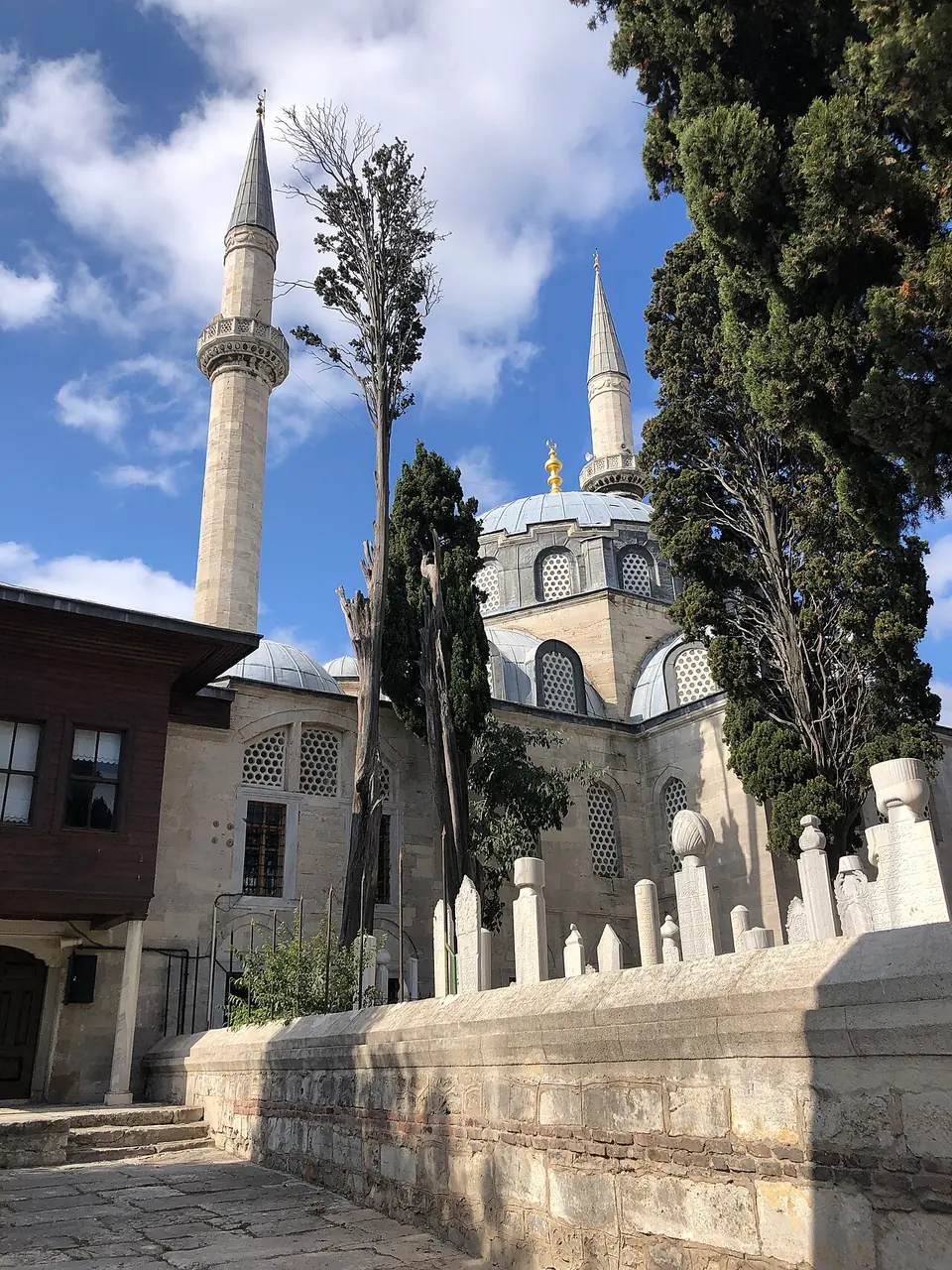
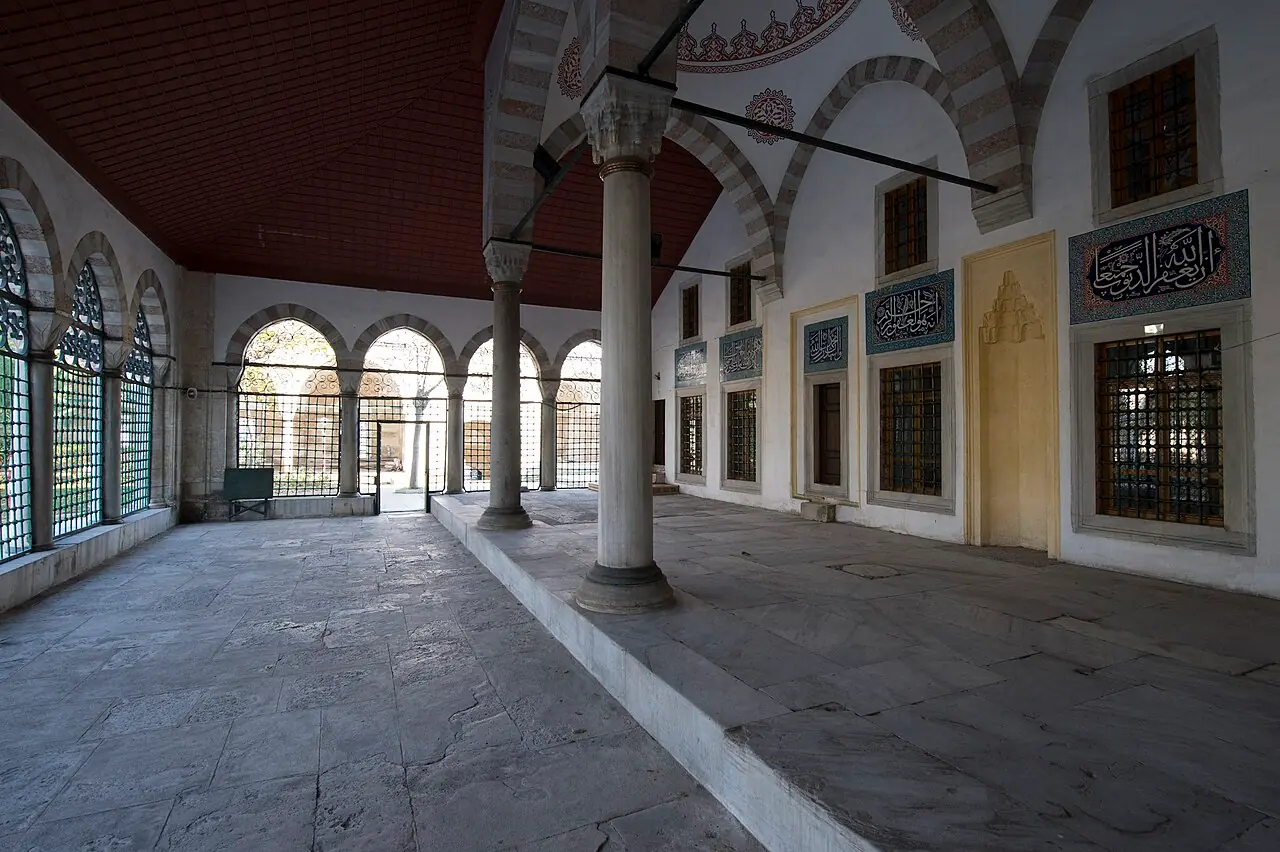
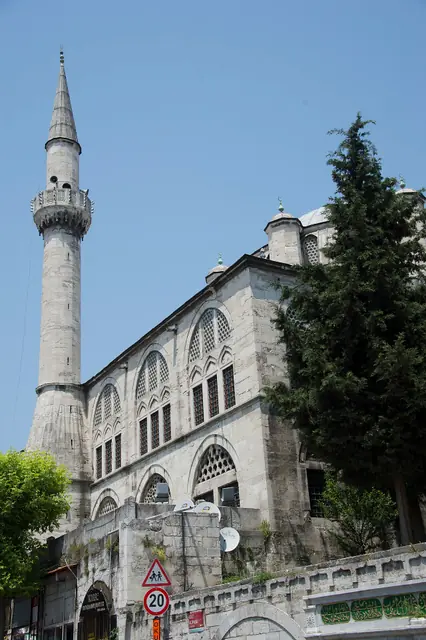
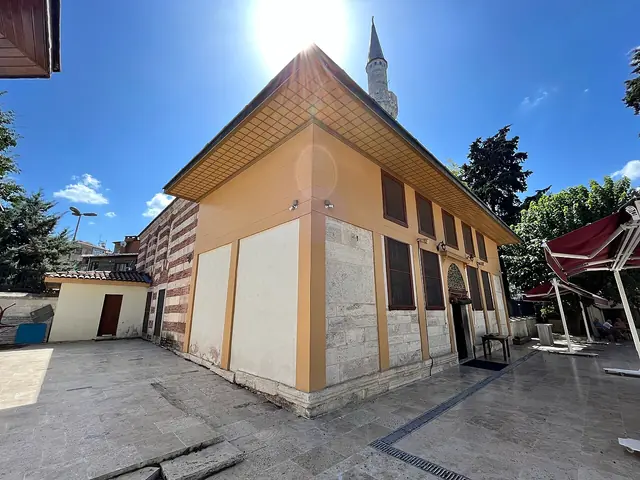
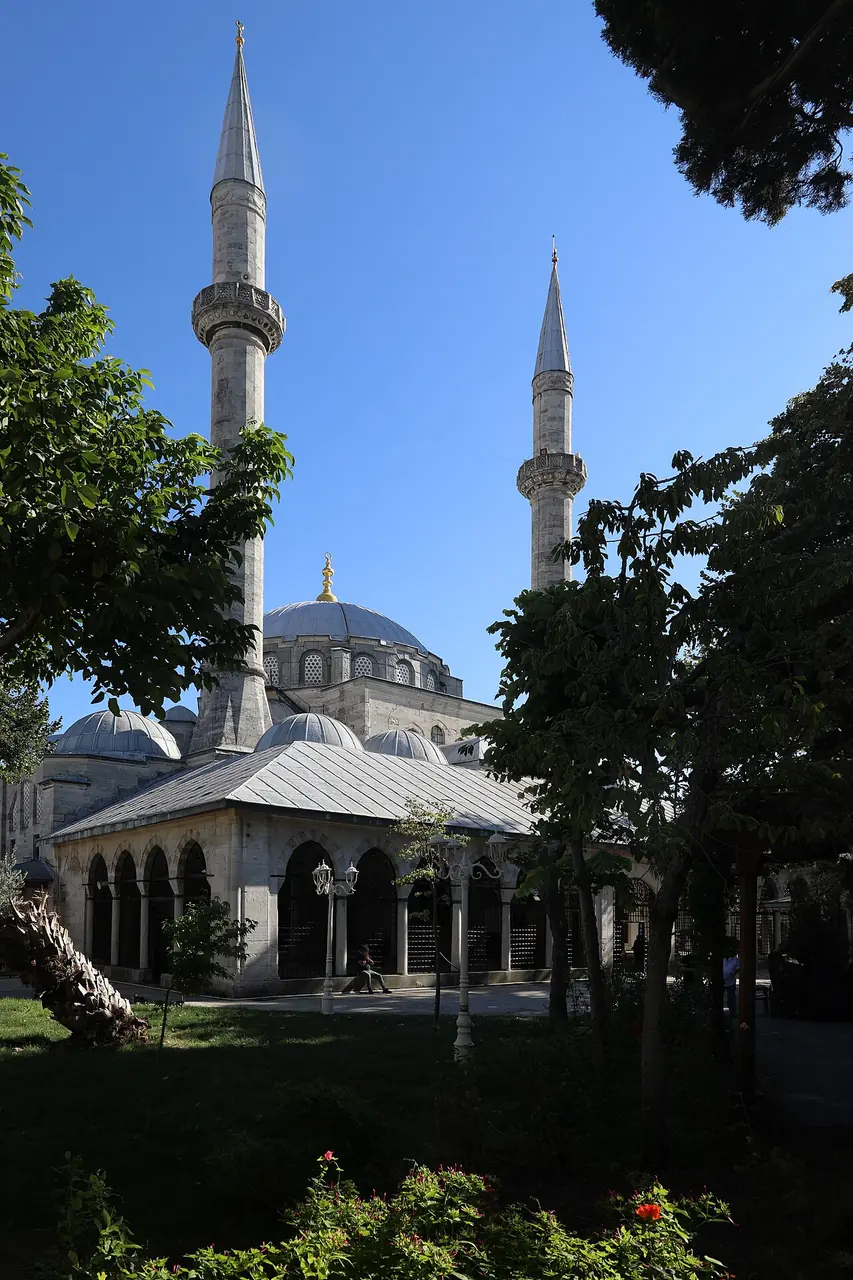
The mosque was built for Nurbanu Sultan — wife of Selim II and mother of Murad III, the first valide sultan to exercise effective political power during the so-called Sultanate of Women. Her origins are disputed: she may have been the Venetian noblewoman Cecilia Venier-Baffo, or a Greek woman named Kalē Kartanou from Corfu. Construction proceeded in three stages: the first (1571–1574) was supervised by another architect while Sinan was in Edirne completing the Selimiye Mosque; the second stage (1577–1578) added a second minaret and a double portico, reflecting Nurbanu's enhanced status as valide sultan after Murad III's accession in 1574; the third stage (1584–1586) took place after her death in 1583, expanding the prayer hall laterally with a pair of small flanking domes on each side. The name 'Atik Valide' ('Old Queen Mother') was applied later to distinguish it from the Yeni Valide Mosque, built in Üsküdar in the 17th century.
Architecture
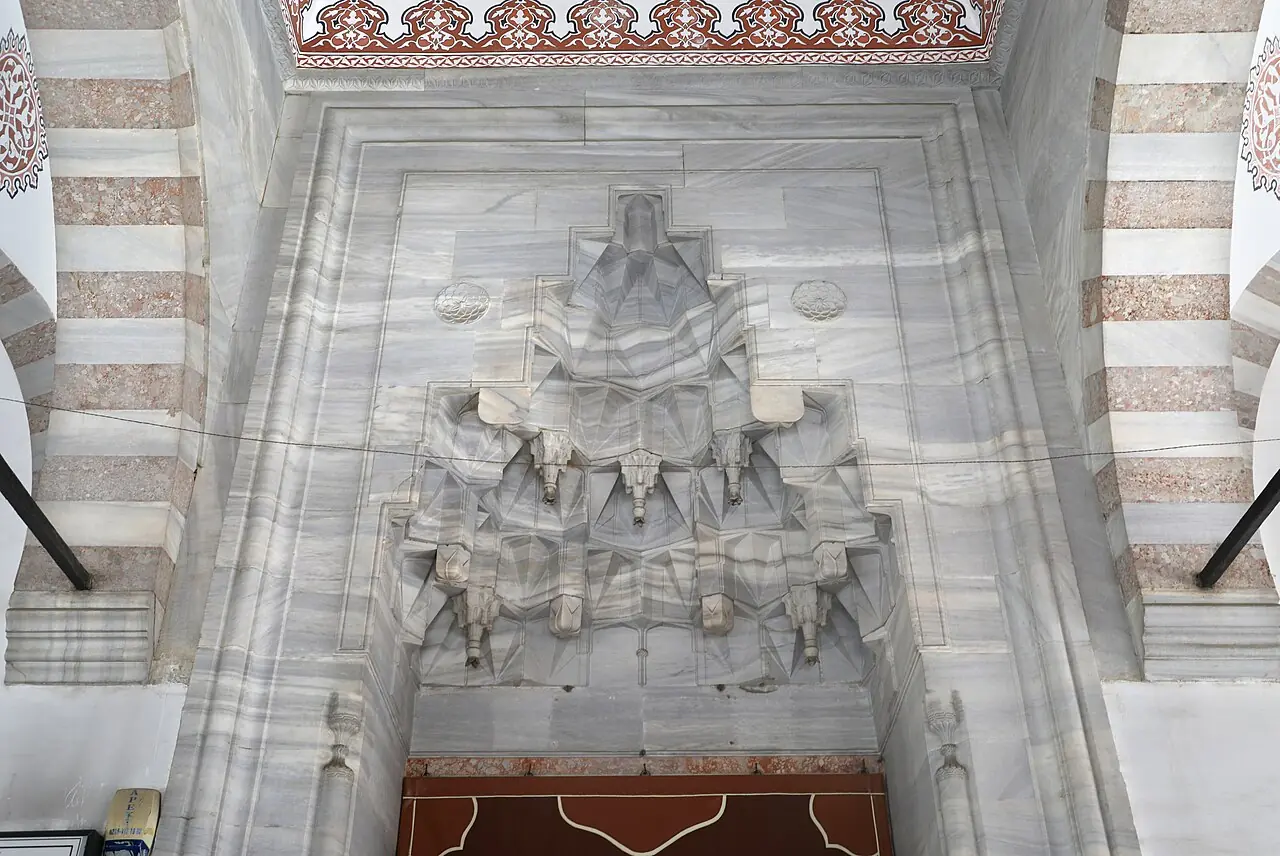
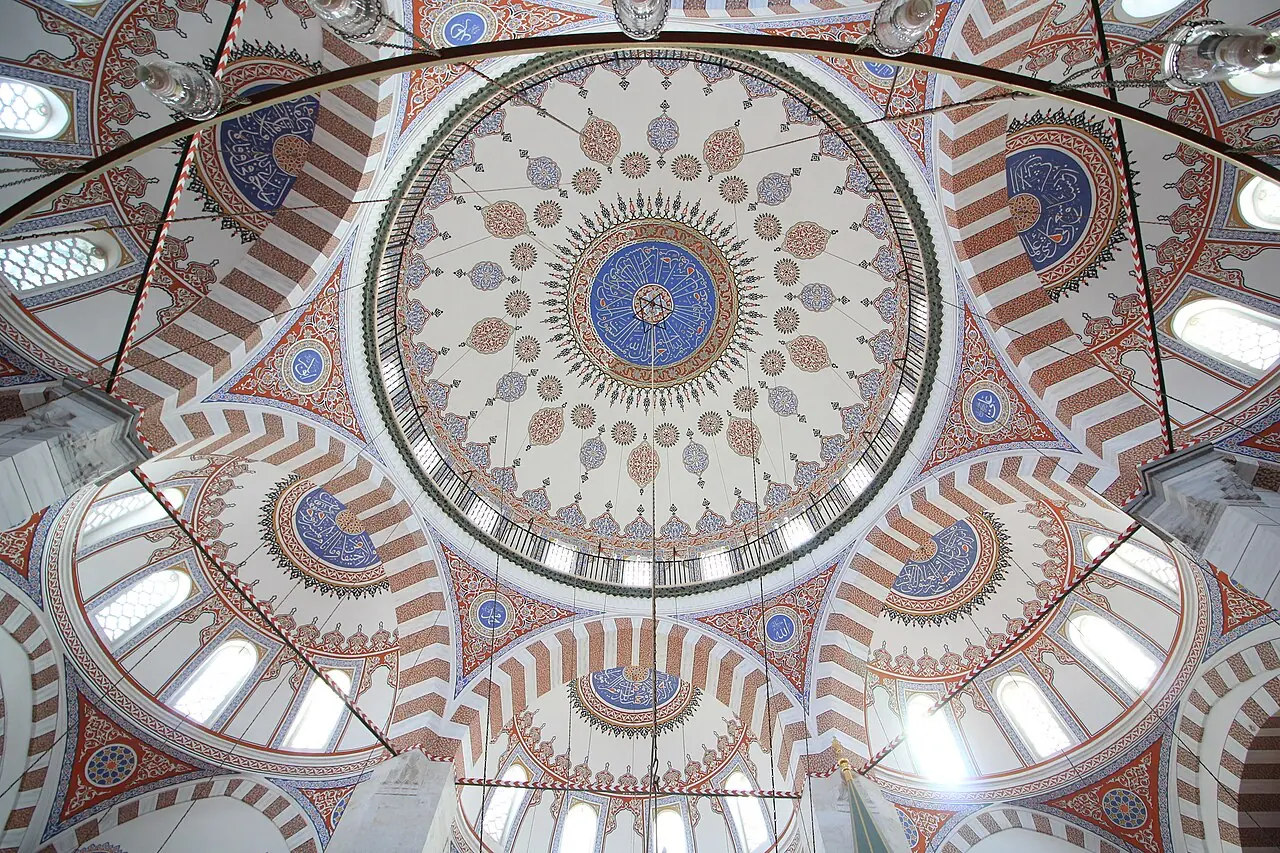
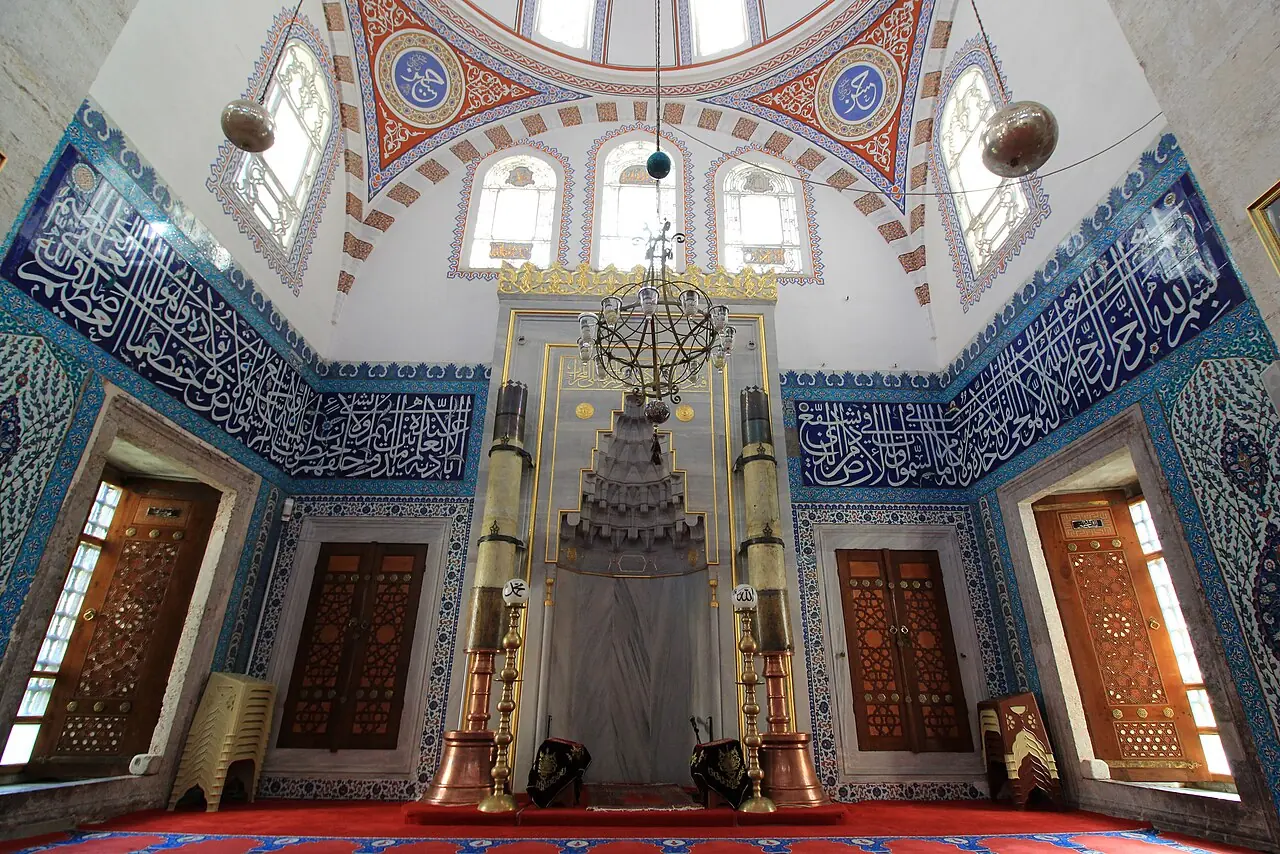
The prayer hall is covered by a central dome 12.7 m in diameter, carried on six arches arranged in a hexagon with two free-standing columns; the space extends into five semi-dome exedras, one of which contains the mihrab. The drum of the central dome is pierced by 18 windows, each semi-dome by four. The prayer hall is richly decorated with Iznik tiles, concentrated especially around the mihrab with floral motifs, and calligraphic panels above the windows.
In Sinan's evolution
Late period masterwork (1571–1586). Built concurrently with — and partially delayed by — the Selimiye in Edirne. The hexagonal dome support system with five semi-dome exedras shows continued refinement of spatial expansion techniques. Represents Sinan's capacity for large-scale institutional design in old age.
Sinan Tree →Facts
- The Atik Valide complex is one of the largest Sinan built in Istanbul: it comprised a mosque, medrese, hadith college, Quran recitation school, elementary school, dervish convent, hospital, hospice with a double caravanseray, and a bath-house — a self-sufficient urban institution on a hilltop above Üsküdar. en.wikipedia.org
- Nurbanu Sultan was the first woman in Ottoman history to hold both the rank of haseki (favored consort) and valide sultan; it was her son Murad III who formally institutionalised the valide rank as a legally recognized position specifically for her. en.wikipedia.org
- Sinan designed the mosque to be unusually bright: many windows and white marble were specified, reflecting Nurbanu's name — 'Shining Lady' in Persian — in the very materials of the building. cogito.istanbul
- The final building stage (1584–1586) was completed three years after Nurbanu's death, making Atik Valide — alongside the Süleymaniye's annexes — one of the few large Ottoman complexes in Istanbul that its patron never saw finished. en.wikipedia.org
Photographs