Sinan / Classical
Ramazan Efendi Mosque (Kocamustafapaşa / Bezirgânbaşı)
1585–1586 · Fatih / Kocamustafapaşa
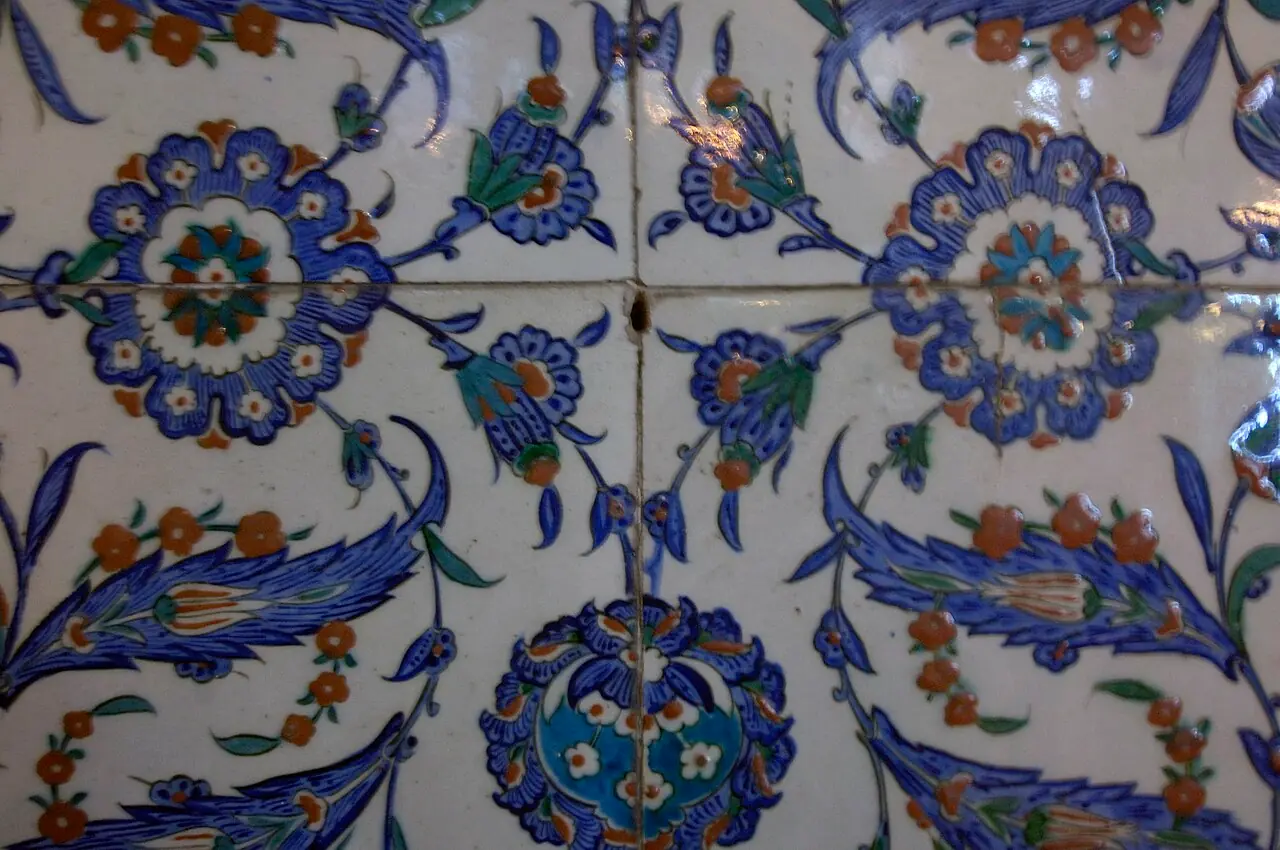
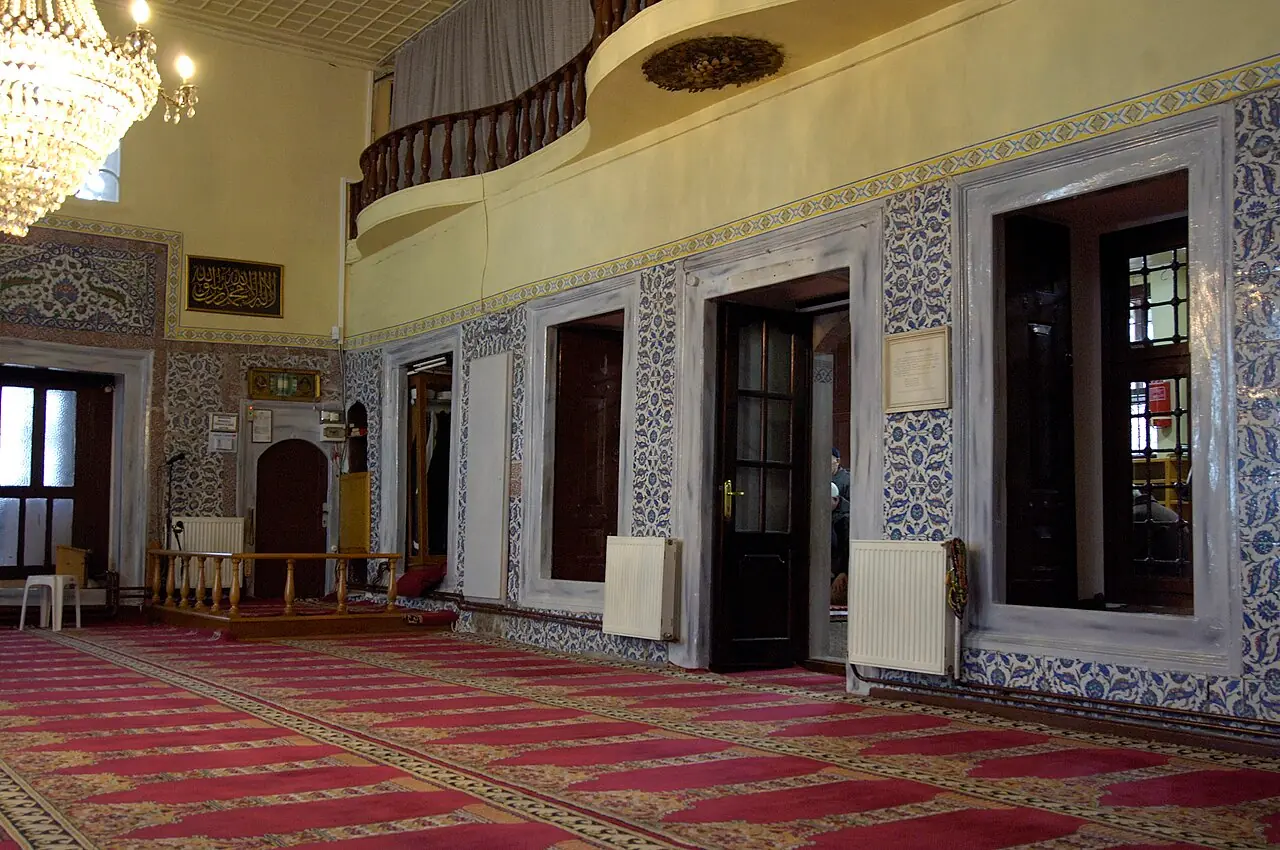
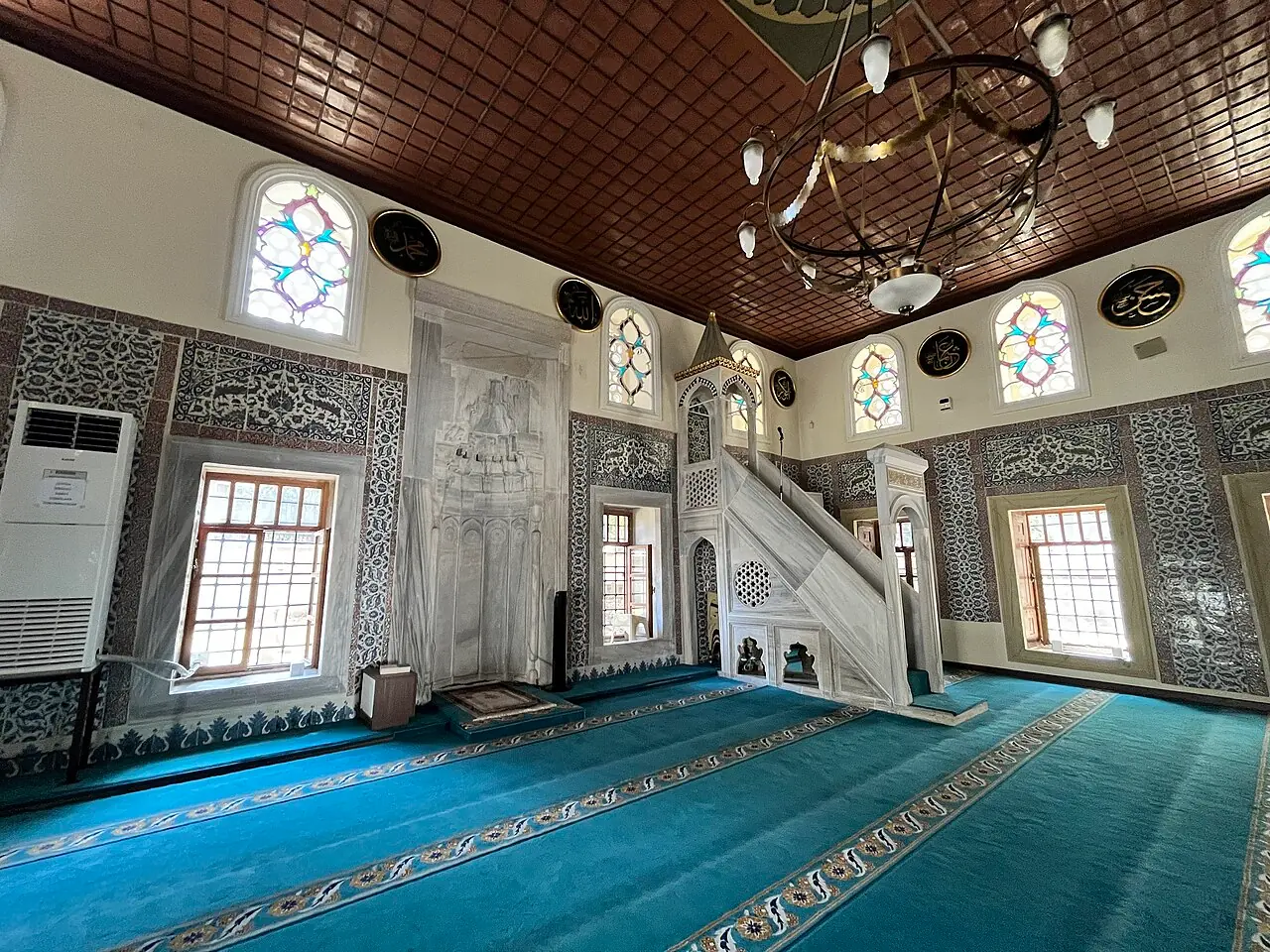
Late-Sinan small Halveti tevhidhane whose rectangular timber-roofed shell preserves one of Istanbul's most complete 1580s İznik-tile interiors — wall revetments up to c. 3 m framing a marble mihrab and minbar.
- Minarets
- 1
- Built
- 1585–1586
- Architect
- Mimar Sinan
- Patron
- Bezirgânbaşı (chief merchant) Hâce Hüsrev Çelebi — for Sheikh Ramazanüddin el-Mahfî Efendi
- District
- Fatih / Kocamustafapaşa
History
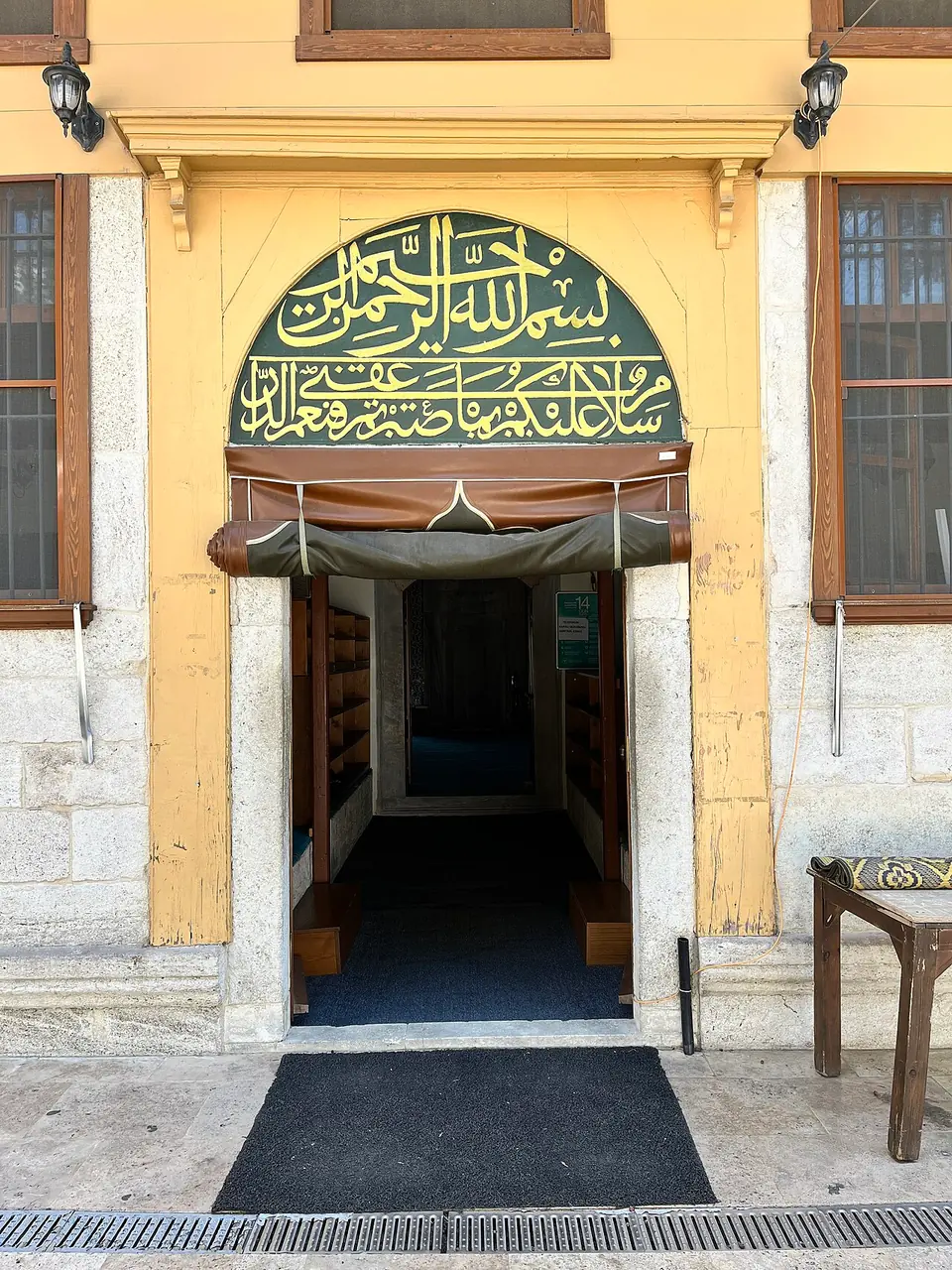
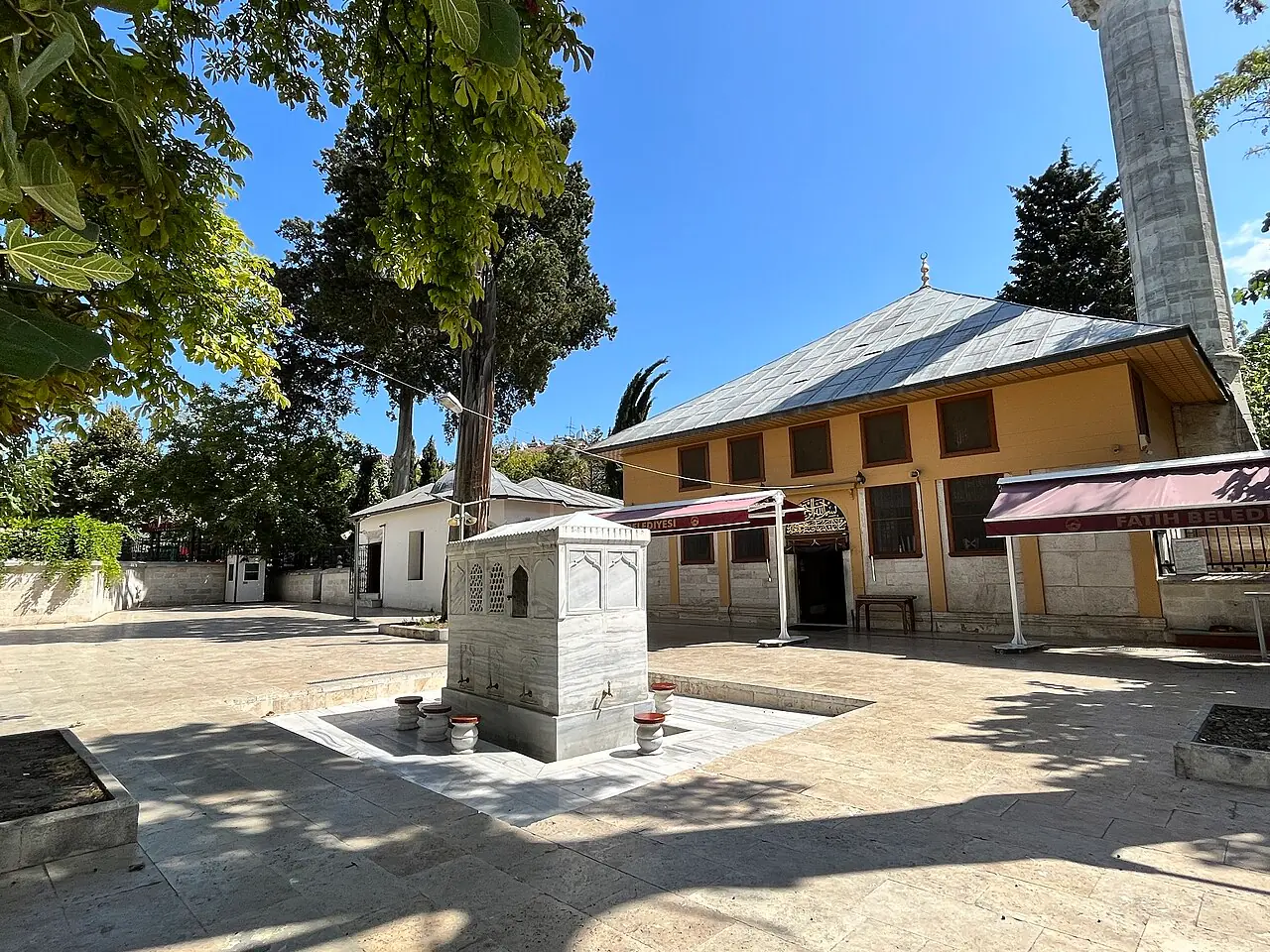
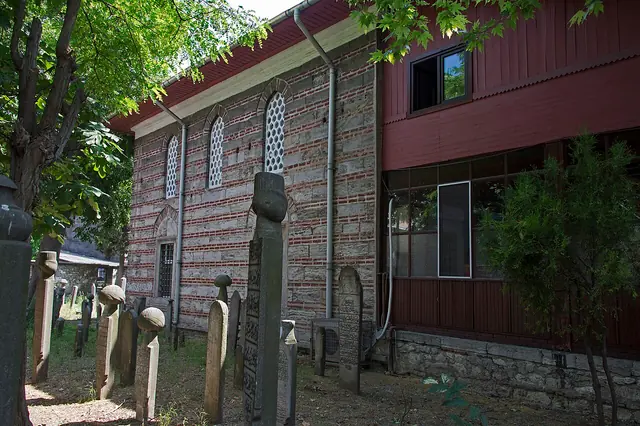
The Ramazan Efendi Mosque (historically also called Bezirgânbaşı Camii) stands in the Kocamustafapaşa quarter of Fatih, close to the Silivrikapı gate. It was built in 1585–1586 by Bezirgânbaşı (chief merchant) Hâce Hüsrev Çelebi for Sheikh Ramazanüddin el-Mahfî Efendi — the founder of the Ramazaniyye branch of the Halveti Sufi order. The architect was Mimar Sinan, then about 96 years old; the mosque is among the very latest entries in his tezkere. It formed part of the Bezirgân Tekke complex, which also included a tevhidhane, çilehane (retreat cell), türbe, and şadırvan. An 1818–1819 restoration was supervised by the composer Hammamîzâde İsmail Dede Efendi. After the 1925 closure of tekkes the prayer hall continued in use as a mosque; the other tekke buildings were lost. The courtyard cemetery preserves the grave of Hüsrev Çelebi, marked by a timeless marble stela.
Architecture
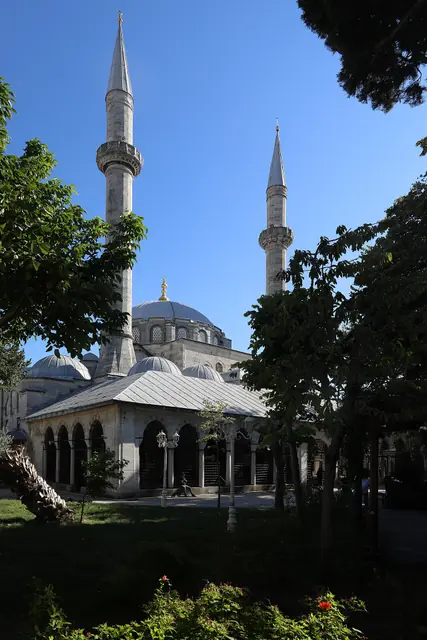
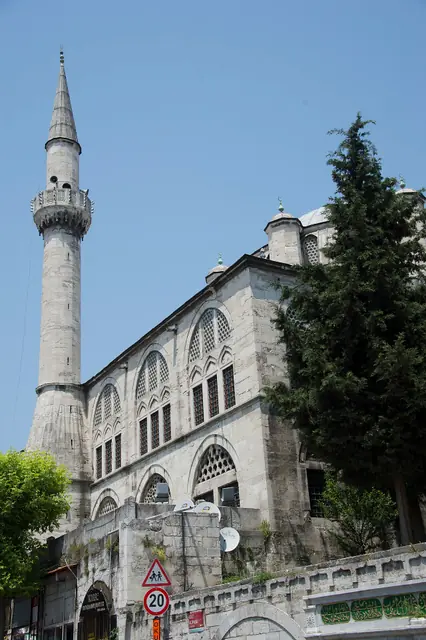
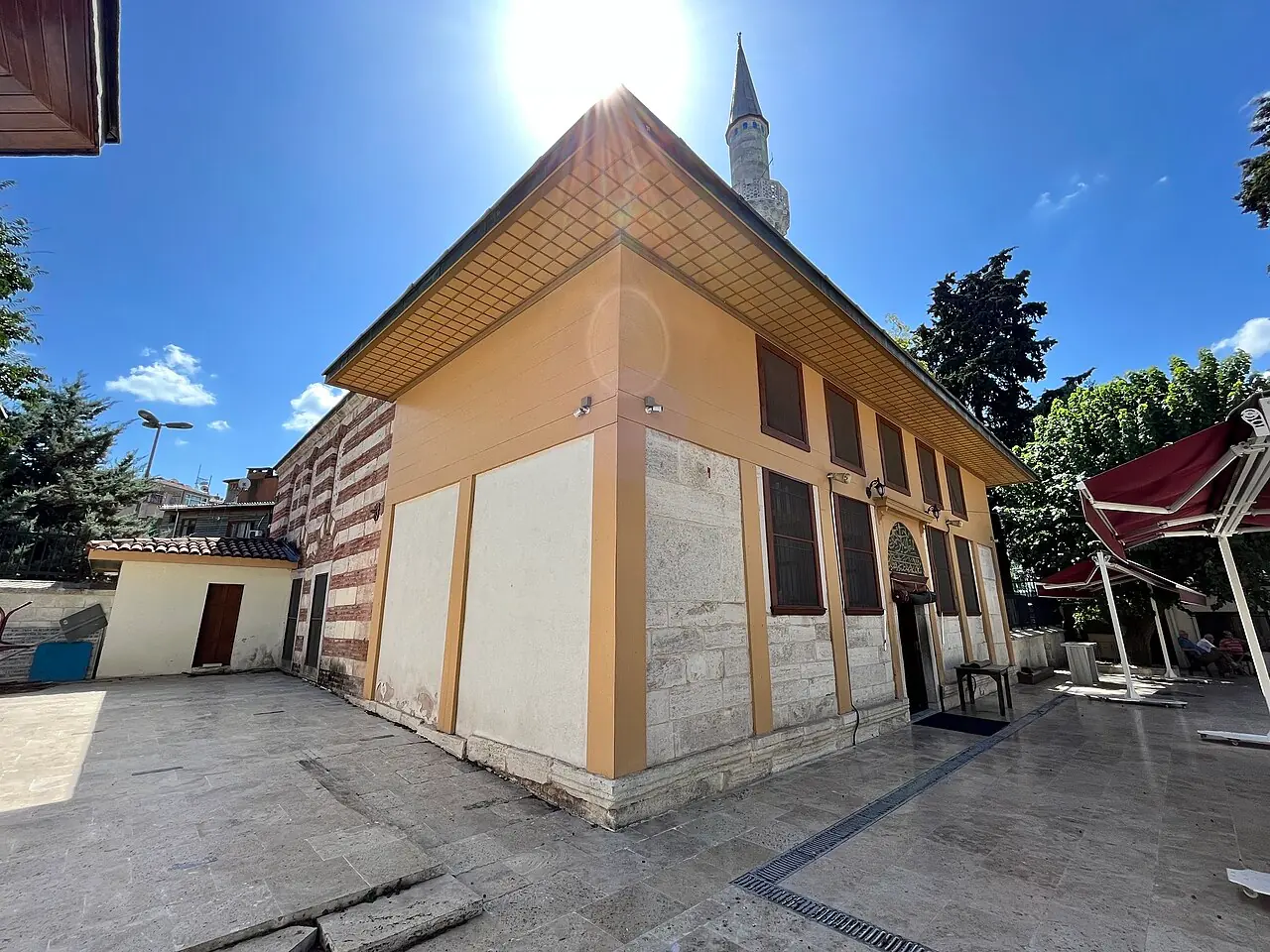
The mosque has a rectangular plan, a single minaret, and a pitched tiled roof — with no visible masonry dome. The walls are of banded masonry, three courses of brick to one course of ashlar stone. The floor and ceiling are timber; the wooden ceiling is divided into square coffers and painted. The interior's most celebrated feature is its 1580s İznik tile revetment, reaching to about three metres on the walls and framing a finely carved marble mihrab and minbar. The palette includes the classic tomato-red slip characteristic of late-classical İznik. The Ramazan Efendi İznik ensemble is regarded as one of the most complete İznik-tile interiors surviving in Istanbul outside Rüstem Pasha and Sokollu Mehmed Pasha at Kadırga.
In Sinan's evolution
1585–1586 — among Sinan's very last works (age ~96; died 1588), contemporaneous with Hacı Evhad (1585), Mesih Mehmed Pasha (1586), and Mehmed Agha (1585). Continues the late-career vernacular type (rectangular plan, timber roof, banded masonry) but invests extraordinary care in late-İznik tile revetments — a marker of Sinan's ability to integrate luxury ceramic with small tekke typologies at the end of his career.
Sinan Tree →Facts
- Sinan was about 96 years old when he designed this mosque — one of his very last works before his death in 1588. islamansiklopedisi.org.tr
- The walls are revetted to a height of about three metres with 1580s İznik tiles, making this one of the most complete İznik-tile interiors in Istanbul outside Rüstem Pasha. tr.wikipedia.org
- The mosque was founded for Sheikh Ramazanüddin el-Mahfî Efendi, founder of the Ramazaniyye branch of the Halveti order, who led the tekke for about 32 years. islamansiklopedisi.org.tr
- The patron was Bezirgânbaşı (chief merchant) Hâce Hüsrev Çelebi, buried in the courtyard hazire under a marble stela. islamansiklopedisi.org.tr
- The walls are laid in banded masonry — three courses of brick to one course of ashlar stone — a classic Byzantine-Ottoman technique Sinan used in his late small commissions. kulturenvanteri.com
Photographs