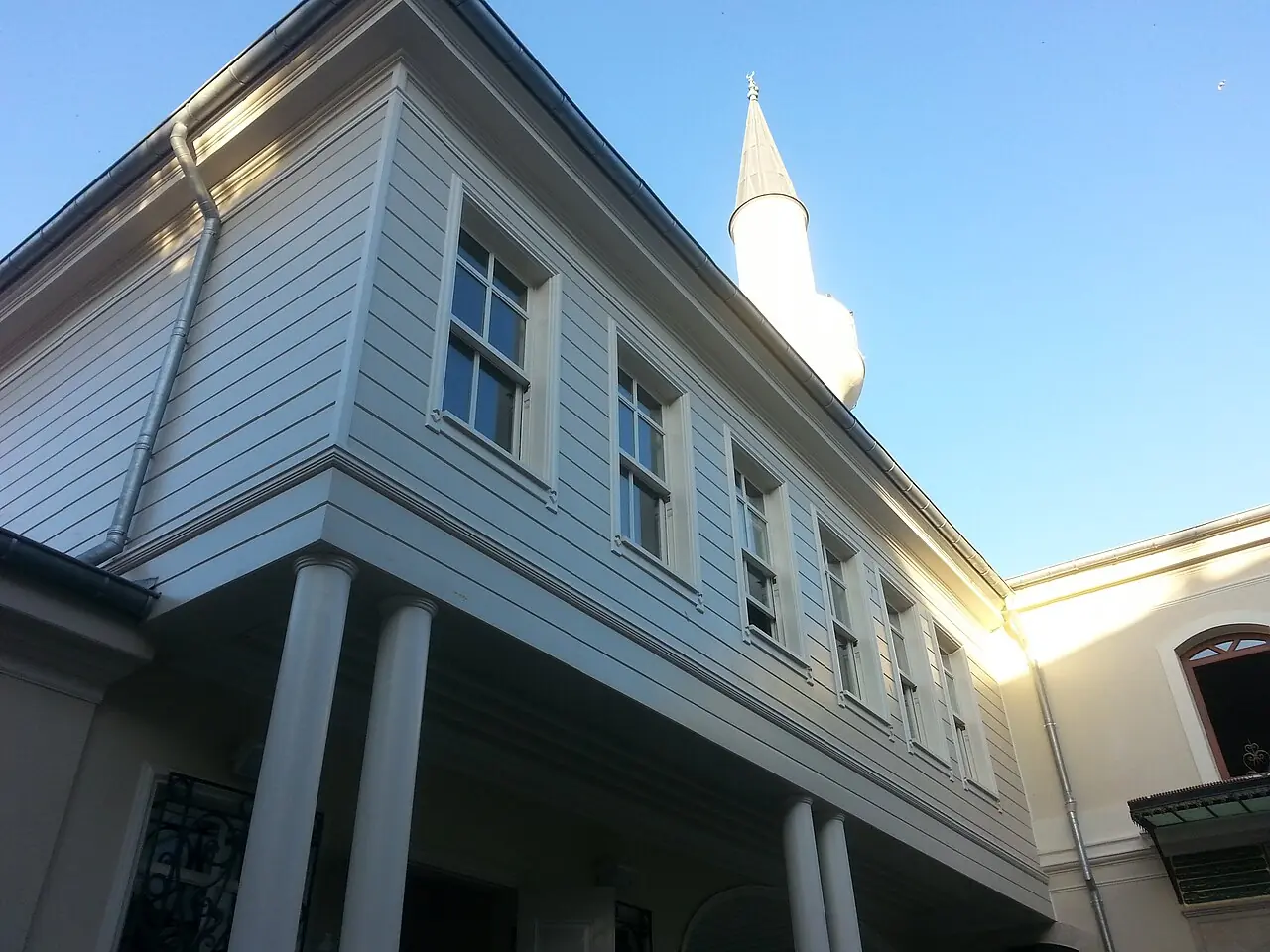
Late Ottoman / Baroque
Aziz Mahmud Hüdayi Mosque
1589–1855 · Üsküdar / Aziz Mahmud Hüdayi
The lodge's heart is the wooden türbe of Sheikh Aziz Mahmud Hüdayi, founder of the Celveti order: for four centuries pilgrims — and once sailors heading to sea — have climbed the Üsküdar hill to his grave.
- Minarets
- 1
- Built
- 1589–1855
- Architect
- Architect unknown
- Patron
- Sheikh Aziz Mahmud Hüdayi (founder); rebuilt by Sultan Abdülmecid I
- District
- Üsküdar / Aziz Mahmud Hüdayi
History
The complex was founded by the Sufi sheikh Aziz Mahmud Hüdayi (1541–1628), founder of the Jelveti (Celveti) order and spiritual advisor to several Ottoman sultans; construction of the tekke (lodge) began around 1589 and around 1598–1599 the sheikh himself converted it into a mosque by adding a minbar. Hüdayi was buried here after his death in 1628, and his türbe on the Asian shore of Istanbul has been one of the most visited shrines in Turkey for four centuries. Ottoman navy sailors traditionally visited his grave before going out to sea. The building that stands today was rebuilt in 1855 by Sultan Abdülmecid I after a fire devastated the complex. The minaret, destroyed by lightning in 1910, was later repaired.
Architecture
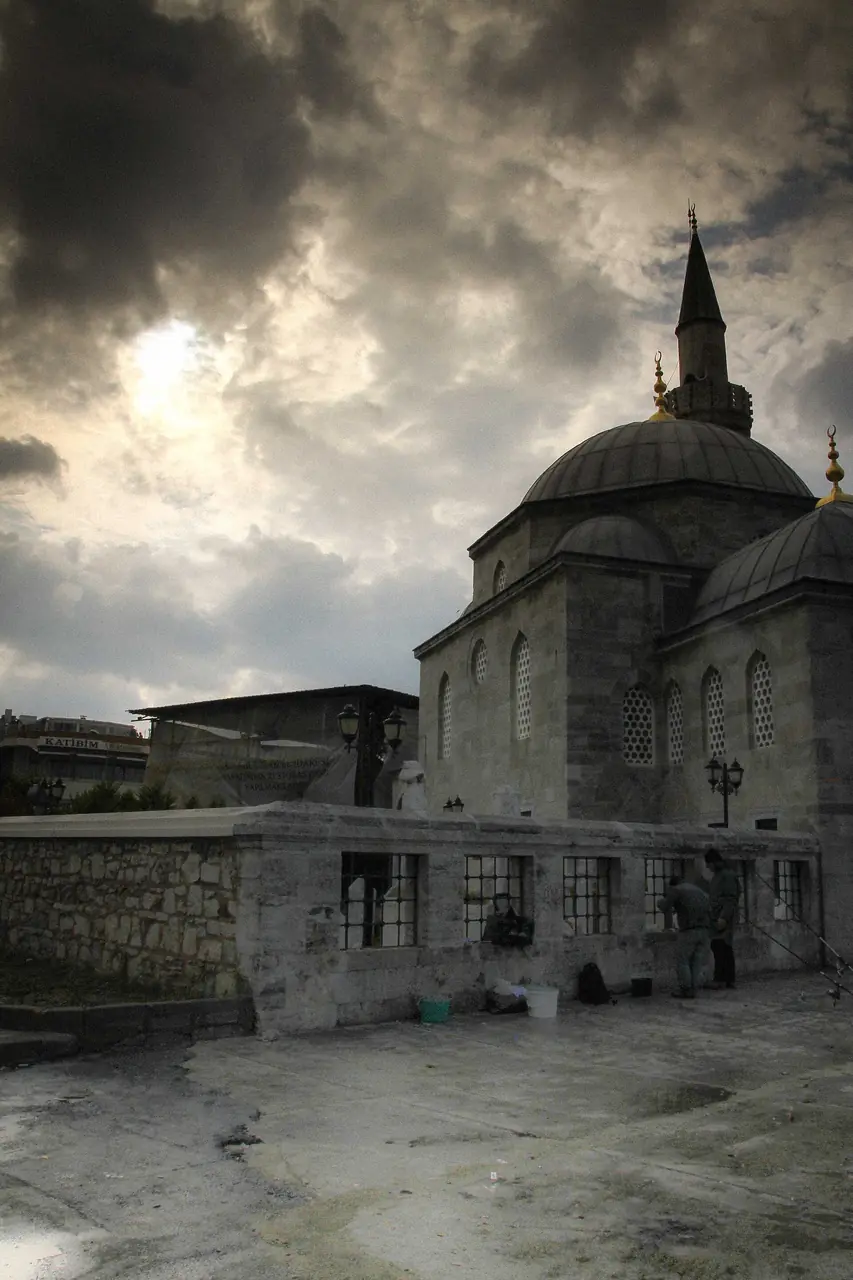
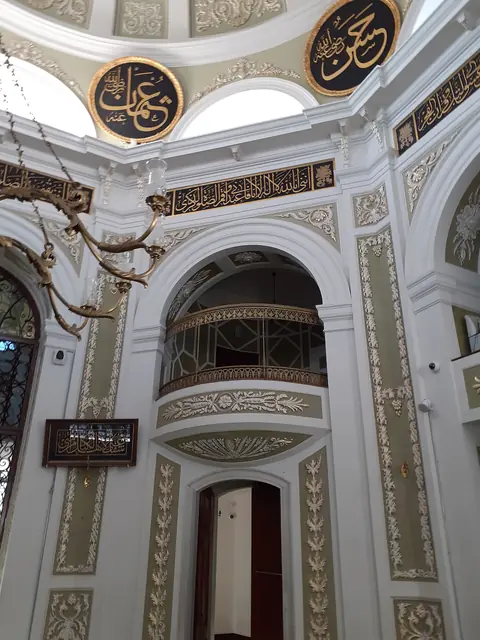
The mosque sits on high ground in Üsküdar and forms part of a large külliye covering some ten thousand square meters, including an imaret (soup kitchen), tomb, library, sultan's gallery, şadırvan fountain, dervish cells and the sheikh's house. The building has a lead-covered wooden roof and a single minaret of cut stone set on its left side. Hüdayi's wooden tomb stands beneath a central dome supported by four marble columns. The present structure dates to the late Ottoman period and reflects the mid-19th-century reconstruction.
Facts
- Aziz Mahmud Hüdayi (1541–1628) was the founder of the Jelveti (Celveti) Sufi order and spiritual advisor to several sultans. en.wikipedia.org
- His türbe on Istanbul's Asian shore has been one of the most visited shrines in Turkey for four centuries. en.wikipedia.org
- The building standing today was rebuilt in 1855 by Sultan Abdülmecid I after a fire. kulturenvanteri.com
- The complex has a single cut-stone minaret, which was destroyed by lightning in 1910 and subsequently repaired. kulturenvanteri.com
- Hüdayi's wooden tomb stands under a central dome held up by four marble columns. en.wikipedia.org
Photographs