Late Ottoman / Baroque
Hırka-i Şerif Mosque
1847–1851 · Fatih / Akşemsettin
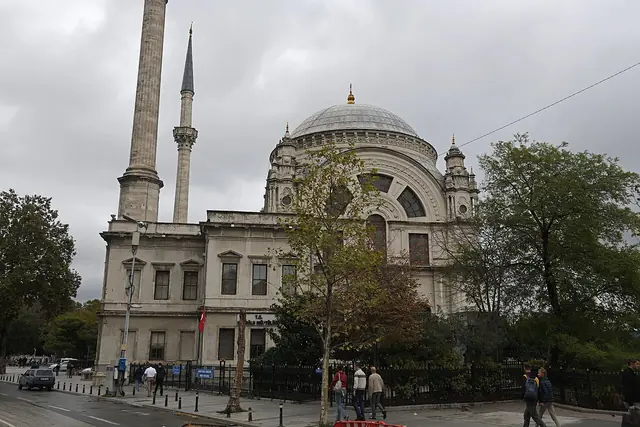
An octagonal Empire-style mosque that Abdülmecid I raised for a single relic — the mantle of the Prophet Muhammad, unveiled for veneration in the second half of Ramadan.
- Dome
- 11.5 m
- Minarets
- 2
- Built
- 1847–1851
- Architect
- Garabet Amira Balyan
- Patron
- Sultan Abdülmecid I
- District
- Fatih / Akşemsettin
History
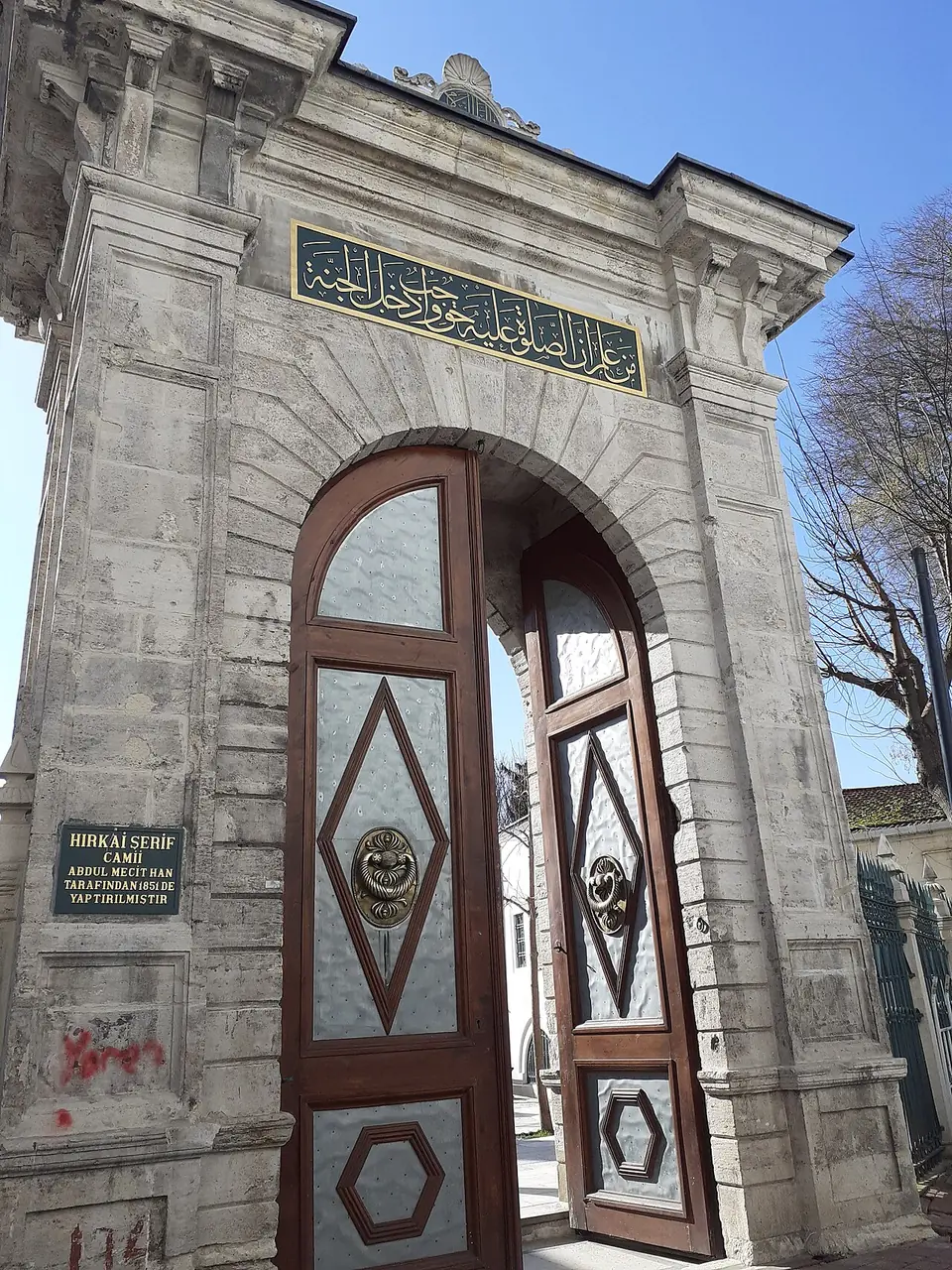
The Hırka-i Şerif Mosque was built between 1847 and 1851 on the order of Sultan Abdülmecid I, specifically to house and display the Hırka-i Şerif — the sacred mantle (cloak) of the Prophet Muhammad. Tradition holds that the Prophet gave the cloak to the Yemeni ascetic Uwais al-Qarani, whose descendants, the Üveysi family, guarded it across the centuries and brought it to Istanbul in the early 17th century. The mosque, which gave its name to the surrounding Hırka-i Şerif quarter in Fatih, opened in 1851. Since then the relic has been displayed for veneration during the second half of Ramadan, drawing crowds of pilgrims. The mantle remains in the care of the descendants of the Üveysi line.
Architecture
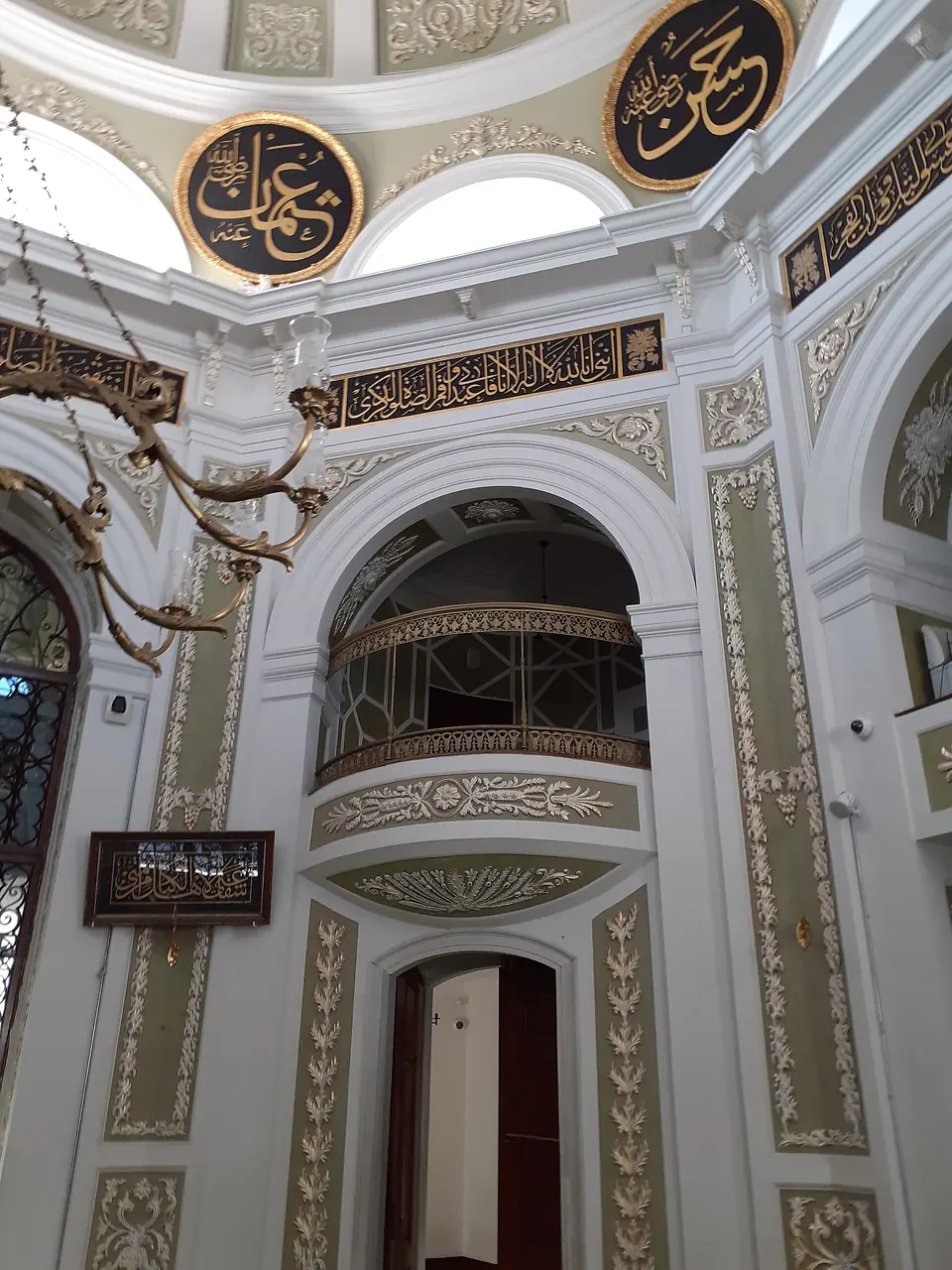
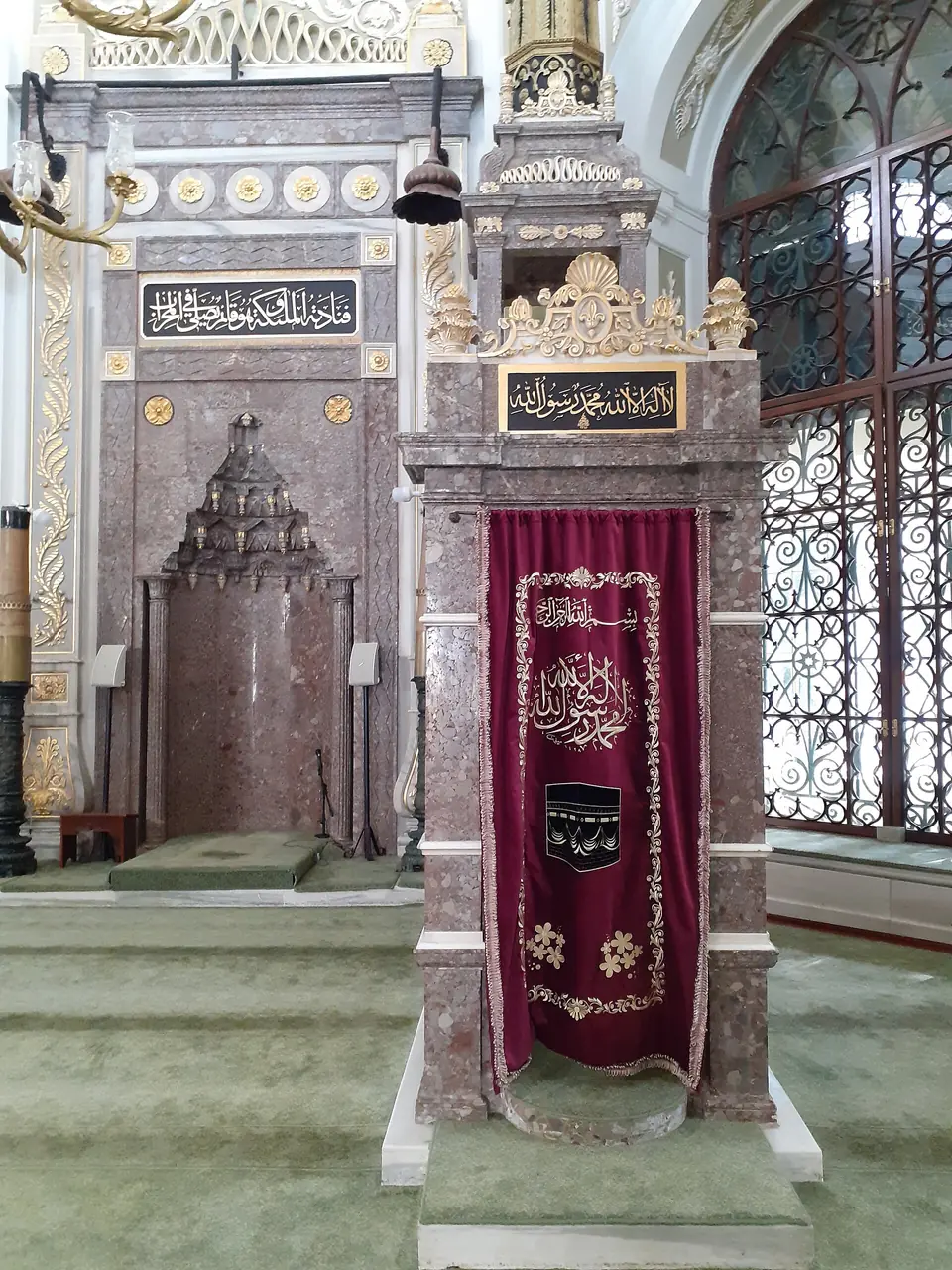
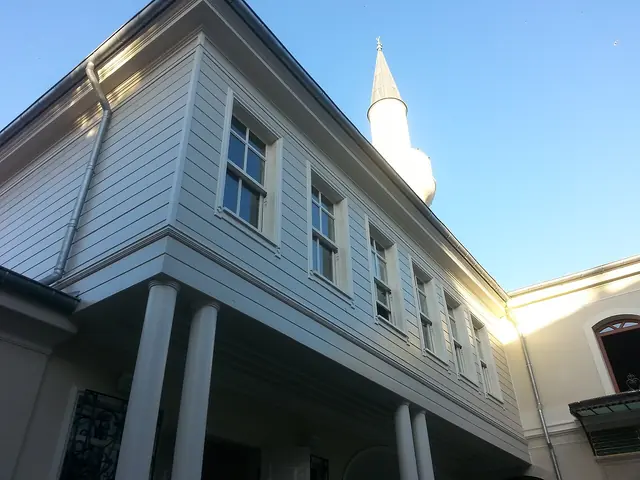
The mosque was built in the Empire style typical of the Tanzimat era and the reign of Abdülmecid. Its prayer hall takes the unusual (for Ottoman tradition) form of an octagonal prism, sometimes linked to the plan of the Dome of the Rock in Jerusalem. The single dome is about 11.5 m in diameter; the building is two-storey, with two minarets set at the corners of the northern wing. The mihrab, minbar and lectern are richly faced in deep-red breccia stone from Hereke combined with white marble — a material almost unseen in Ottoman decoration before the Tanzimat. The design is traditionally attributed to the court architect Garabet Amira Balyan, though this is not documented; recent archival scholarship names Seyyid Abdülhalim Efendi as the architect instead.
Facts
- The mosque was built in 1847–1851 by order of Sultan Abdülmecid I to house the Hırka-i Şerif, the cloak of the Prophet Muhammad. en.wikipedia.org
- Its prayer hall has the rare octagonal-prism form, considered influenced by the plan of the Dome of the Rock (Qubbat al-Sakhrah) in Jerusalem. en.wikipedia.org
- The mosque's single dome has a diameter of 11.5 m. tr.wikipedia.org
- The mihrab and minbar are faced with deep-red breccia stone from Hereke, a material rarely seen in Ottoman decoration before the Tanzimat period. islamansiklopedisi.org.tr
- The sacred mantle is kept by descendants of the Üveysi family, who brought it to Istanbul in the early 17th century; it is exhibited during the second half of Ramadan. islamansiklopedisi.org.tr
Photographs

.jpg)