Early Ottoman
Gazi Atik Ali Pasha Mosque
1496–1497 · Fatih / Çemberlitaş
One of the oldest surviving Ottoman mosques in the historic core (1496–1497) — an early T-plan 'zaviye' with tabhane wings on the ancient Divanyolu by the Column of Constantine. Building a generation before Sinan.
- Minarets
- 1
- Built
- 1496–1497
- Architect
- Architect unknown
- Patron
- Hadım Atik Ali Pasha, eunuch and Grand Vizier of Sultan Bayezid II
- District
- Fatih / Çemberlitaş
History
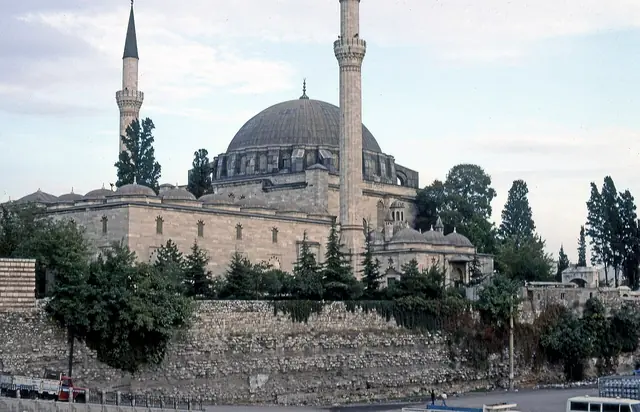
Gazi Atik Ali Pasha Mosque stands in the Çemberlitaş quarter on the ancient Divanyolu street — beside the Column of Constantine, the entrance to the Grand Bazaar and the later Nuruosmaniye. Its construction was begun in 1496 by Hadım Atik Ali Pasha, a eunuch and future Grand Vizier of Sultan Bayezid II, and completed in 1497. The pasha's epithet 'Gazi' ('warrior') came from his part in campaigns. It is one of the oldest surviving Ottoman mosques in the historic core, belonging to the early, pre-Classical period — before Sinan shaped the mature imperial style. Over the following three centuries the building was destroyed three times by earthquakes and rebuilt each time.
Architecture
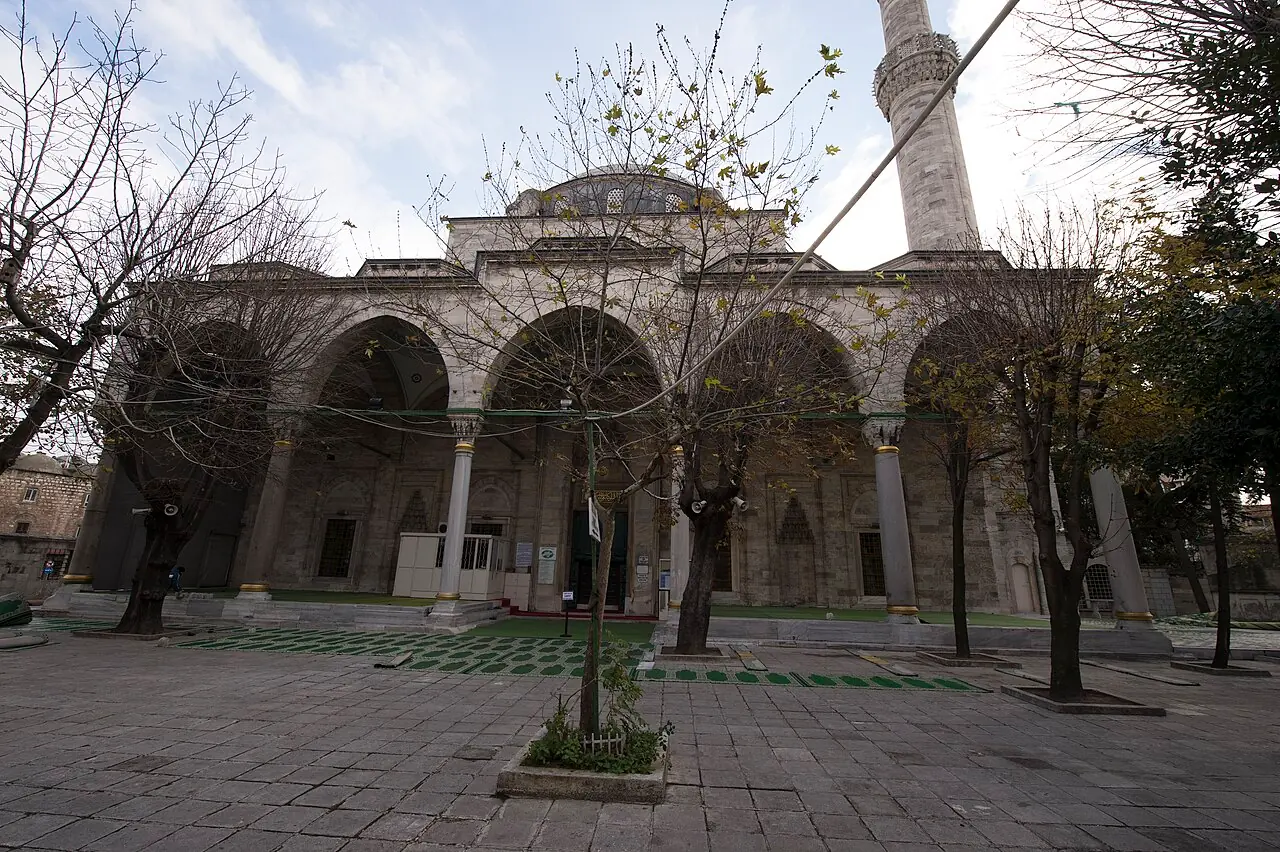
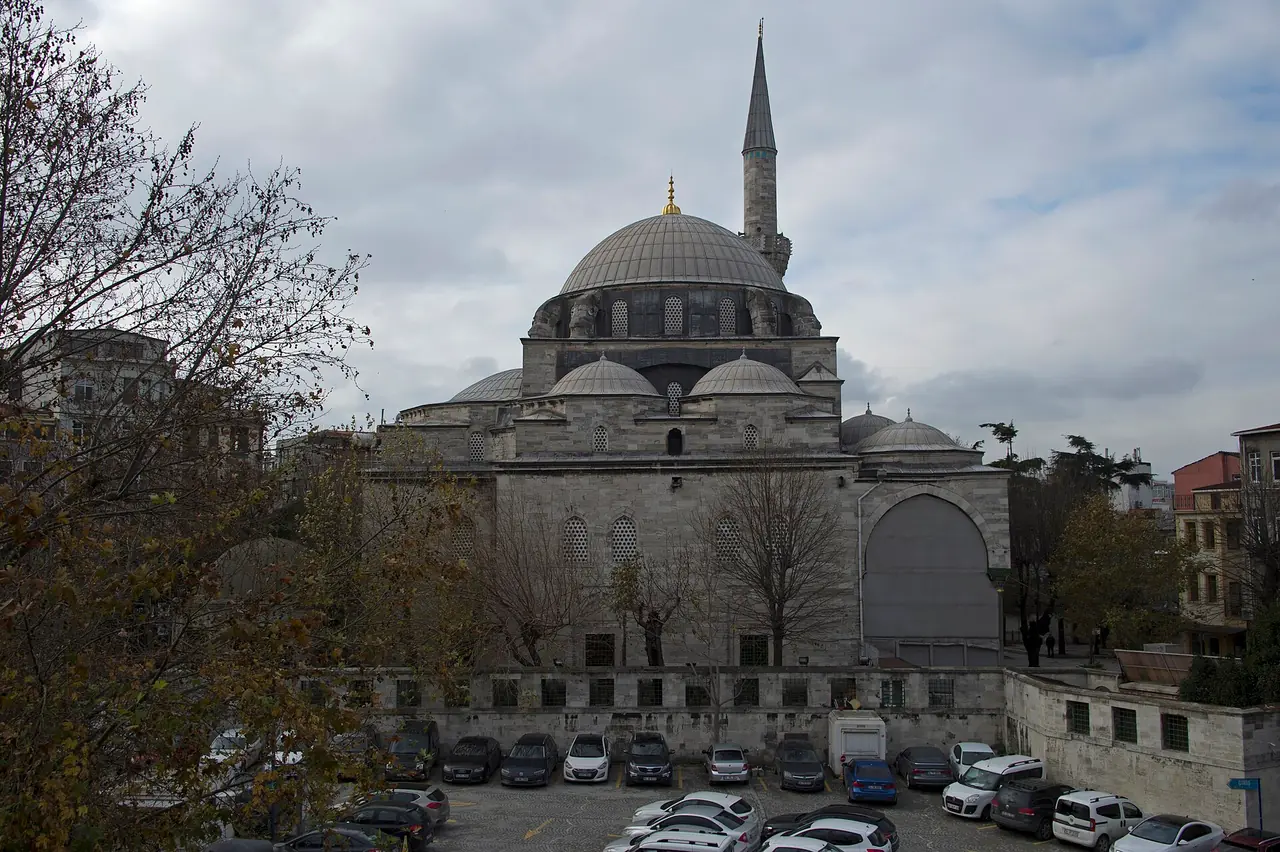
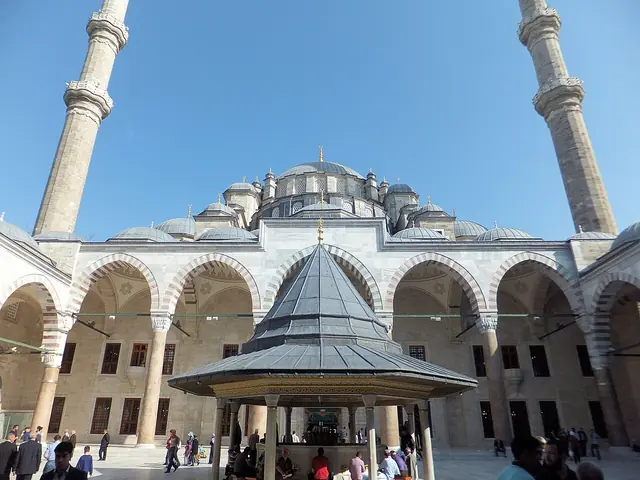
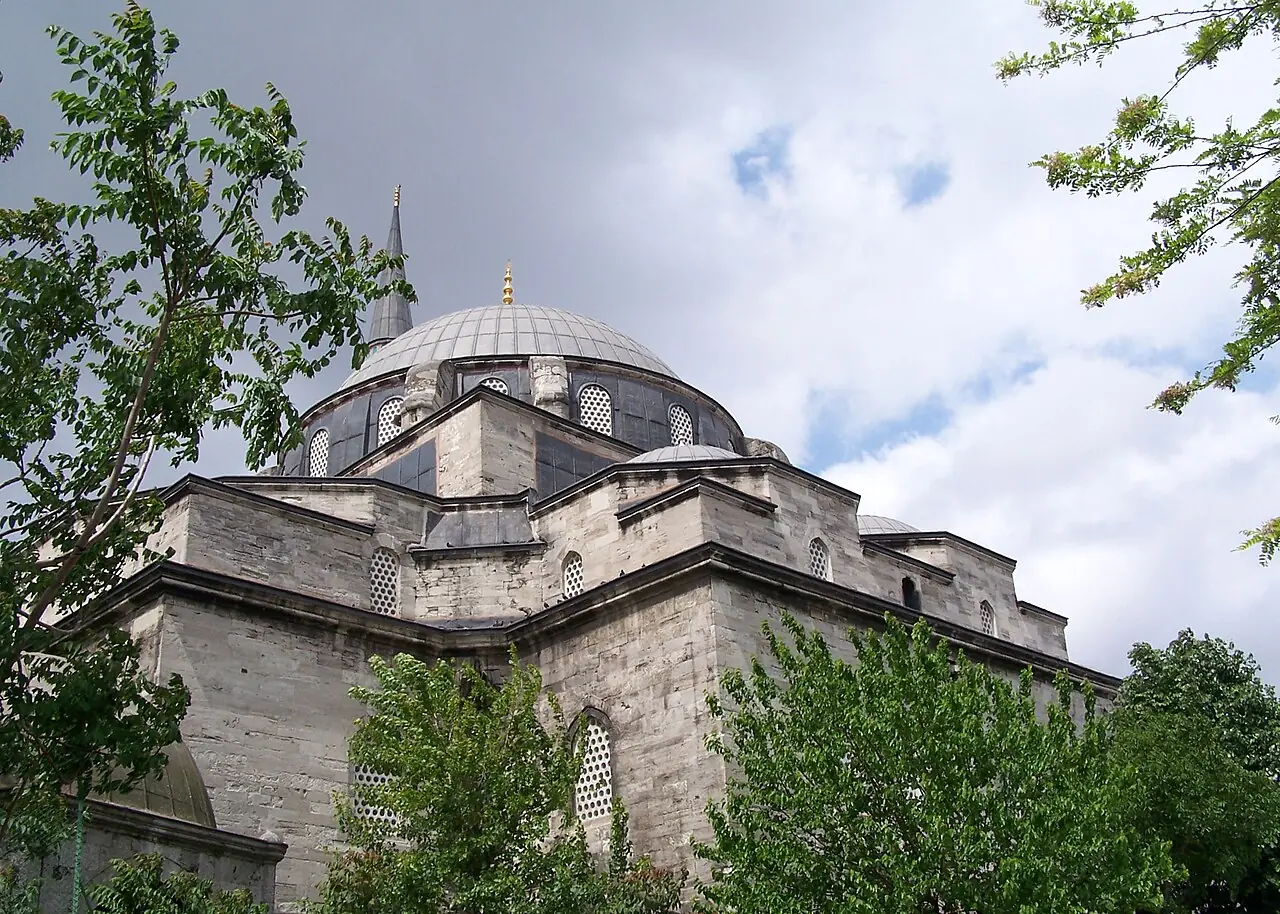
The mosque belongs to the early Ottoman T-plan ('zaviye') type: the domed central prayer hall is flanked by side rooms (tabhane) that served as hostels for travelling dervishes. A five-bay portico leads into a large rectangular hall; the domed central bay is flanked on each side by two smaller domed bays, and the southern, mihrab side is covered by a wide half-dome with ornamental vaulting. The restrained, massive architecture, still close to the early Ottoman models of Bursa and Edirne, shows building practice a generation before Sinan. A madrasa and an elementary school operated as part of the complex — an educational hub since the 15th century.
Facts
- One of the oldest surviving Ottoman mosques in the historic core — built in 1496–1497 under Sultan Bayezid II. en.wikipedia.org
- Commissioned by Hadım Atik Ali Pasha, a eunuch and Grand Vizier of Bayezid II, nicknamed 'Gazi' ('warrior'). en.wikipedia.org
- An early Ottoman T-plan ('zaviye') design: a domed central hall with tabhane side rooms; a five-bay portico; a wide half-dome over the mihrab. en.wikipedia.org
- It stands on the ancient Divanyolu — beside the Column of Constantine, the Grand Bazaar entrance and Nuruosmaniye. en.wikipedia.org
- Over three centuries it was destroyed three times by earthquakes and rebuilt each time; the complex included a madrasa and an elementary school. en.wikipedia.org
Photographs