Late Ottoman / Baroque
Pertevniyal Valide Sultan Mosque
1869–1871 · Fatih / Aksaray
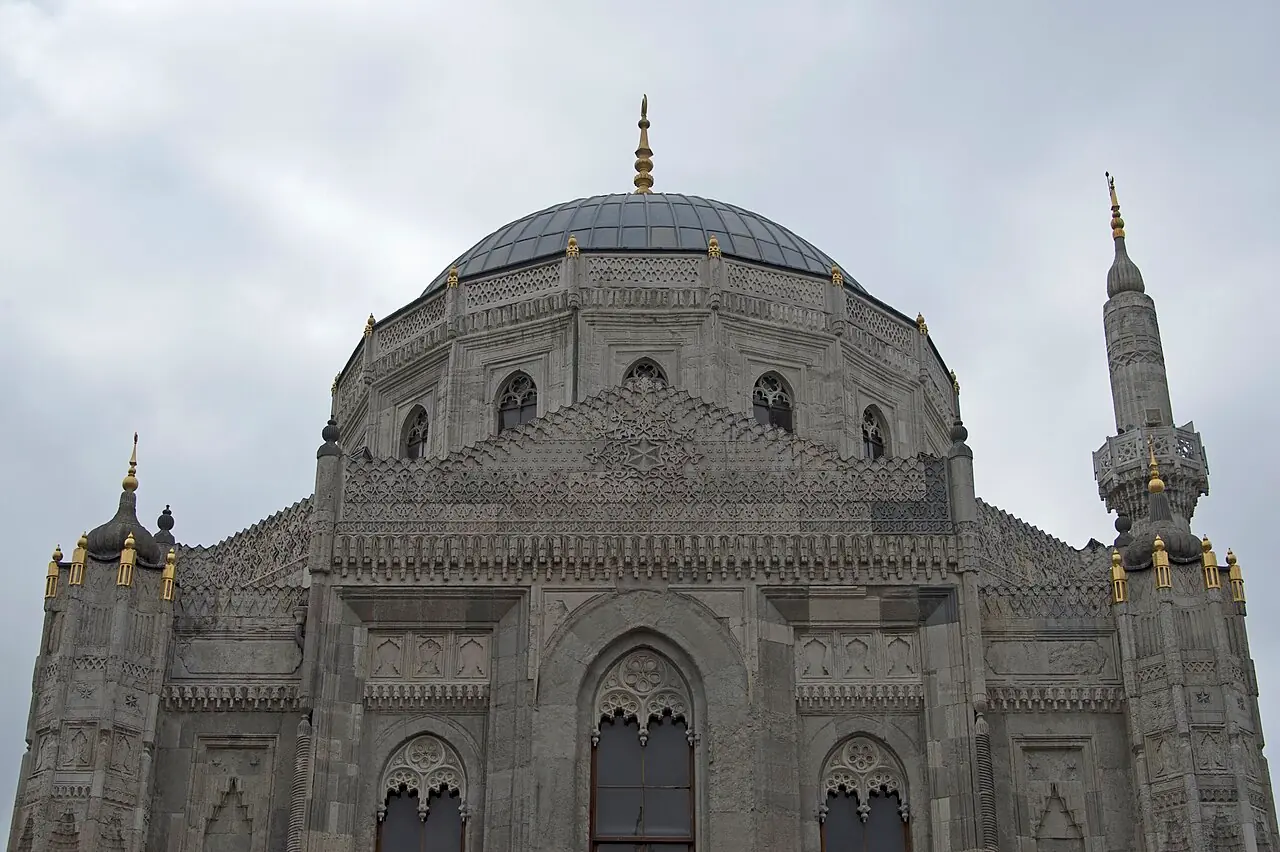
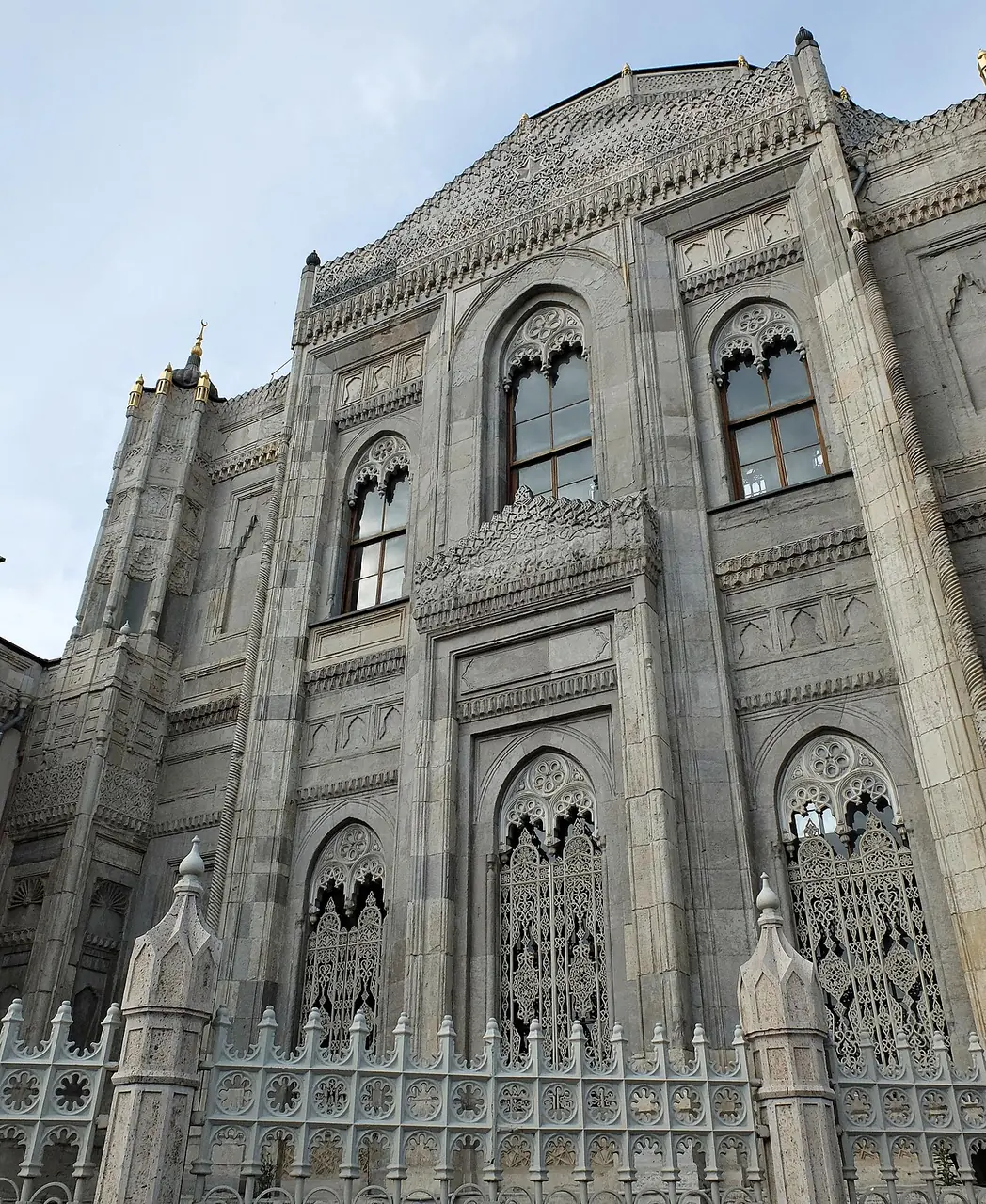
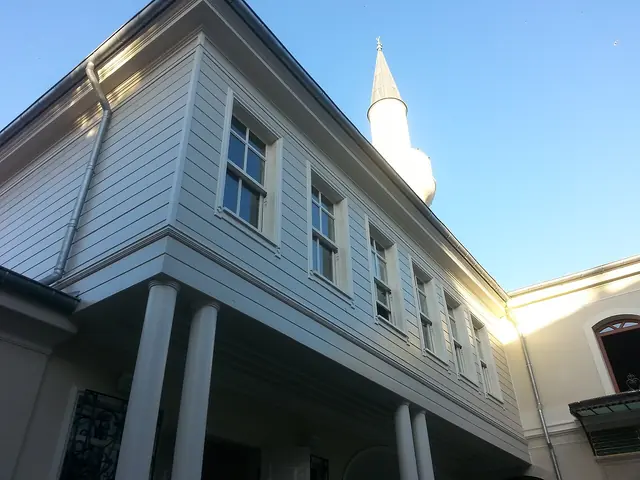
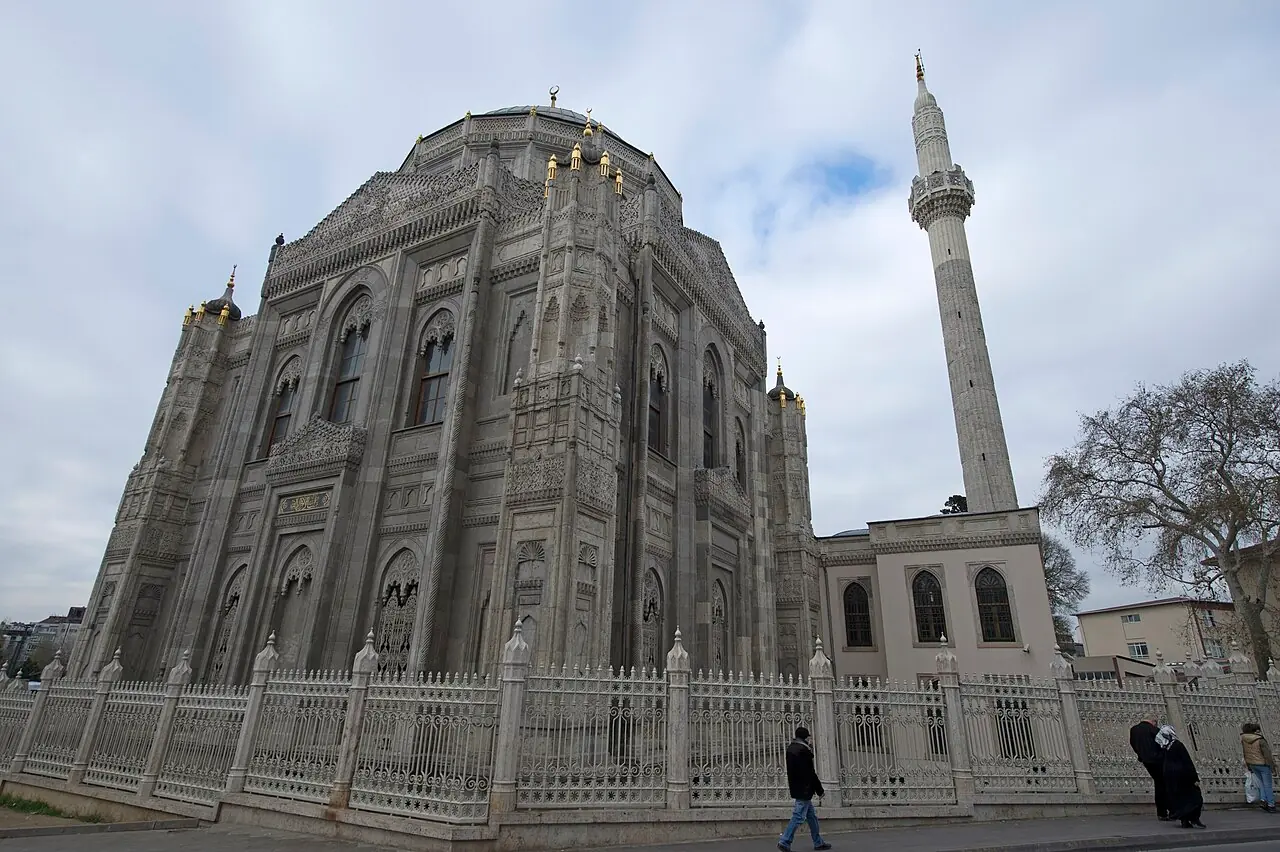
The eclectic ‘wedding-cake’ mosque (1869–71) of Sultan Abdülaziz’s mother in Aksaray: Ottoman, Gothic, Renaissance, Empire and Moorish motifs fused in a single building.
- Minarets
- 2
- Built
- 1869–1871
- Architect
- Sarkis Balyan
- Patron
- Pertevniyal Valide Sultan, mother of Sultan Abdülaziz
- District
- Fatih / Aksaray
History
The Pertevniyal Valide Sultan Mosque in Aksaray was commissioned by Pertevniyal Sultan — mother of the reigning Sultan Abdülaziz. The foundation was laid in November 1869, and construction was completed in 1871. It is one of the last great valide sultan (queen mother) mosques and a notable monument of late-Ottoman architecture under Western influence. The patron died in 1883 and was buried in the complex's tomb. In 1911 the medrese burned, and the library was later moved to the Süleymaniye. During the 1956–1959 redevelopment of Aksaray Square, parts of the complex (the timekeeper's room, the sebil, the tomb) were relocated or demolished. The mosque was restored in the 2010s.
Architecture
The mosque is a vivid example of eclecticism: its design fuses Ottoman, Gothic, Renaissance, Empire, and Moorish motifs, earning it the label 'Turkish Rococo.' A single dome on a twelve-sided drum rises over a square prayer hall of about 10 × 10 m; two slender minarets, each with a single balcony (şerefe), flank it. Neo-Gothic details set it sharply apart from classical Ottoman mosques. The rich interior is dominated by blue tones, with blind niches, muqarnas, arabesques, and floral ornament. It is a small but lavishly decorated building, displaying the 19th-century court's taste for Western decoration and orientalism.
Facts
- Its eclectic design is described as a mix of 'Turkish Rococo' with classical Ottoman, Moorish, Gothic, Renaissance, and Empire styles. en.wikipedia.org
- Commissioned by Pertevniyal Sultan, mother of the reigning Sultan Abdülaziz, and completed in 1871. en.wikipedia.org
- The design is attributed chiefly to court architect Sarkis Balyan, with Pietro Montani on the decoration; the attribution remains contested. tr.wikipedia.org
- It is regarded as one of the last great valide sultan mosque foundations and a key monument of late-Ottoman religious architecture. en.wikipedia.org
- The mosque was the focus of a külliye that included a tomb (with Pertevniyal Sultan's grave), a sebil, a fountain, a timekeeper's room, a library, and a medrese. en.wikipedia.org
Photographs