Sinan / Classical
Sinan Pasha Mosque (Beşiktaş)
1554–1555 · Beşiktaş
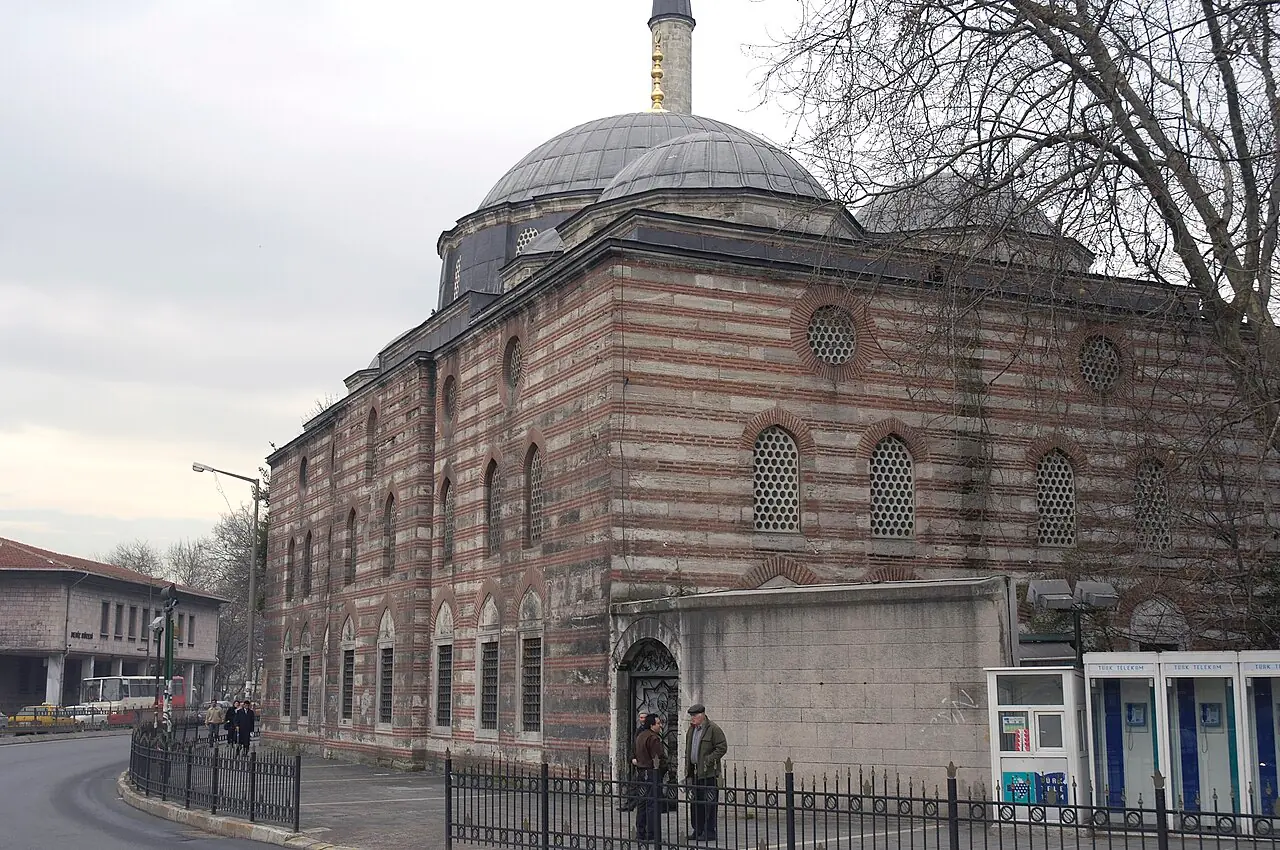
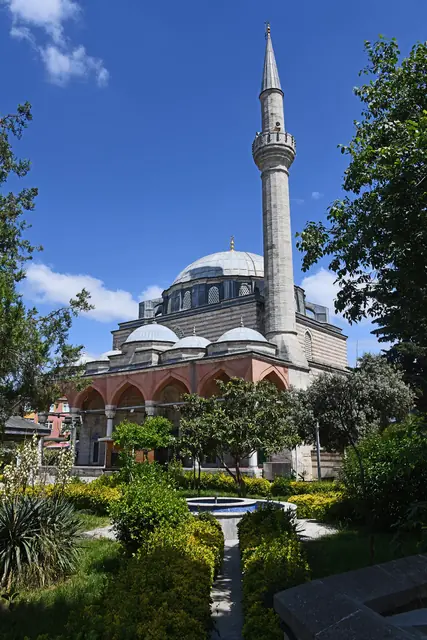
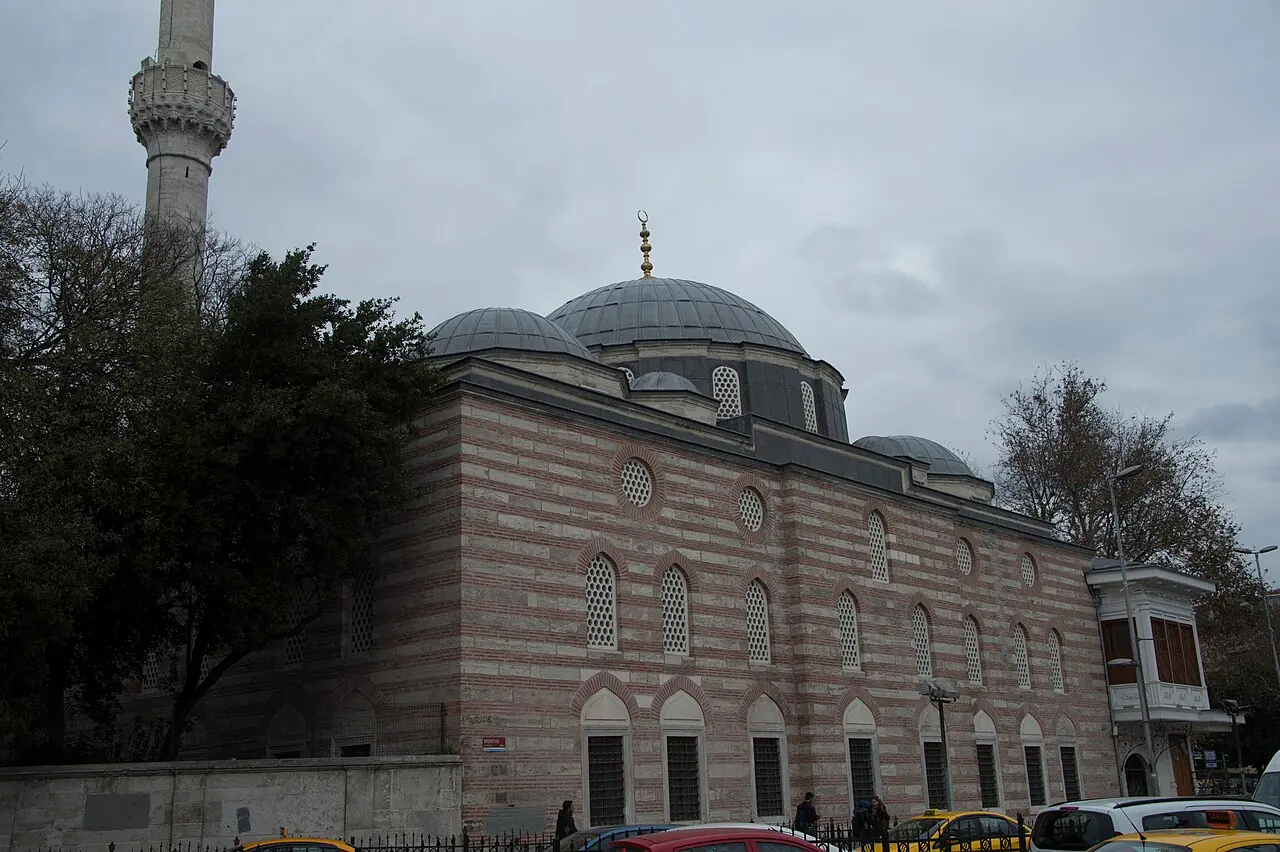
The earliest known Istanbul example of Sinan's hexagonal baldaquin system (six piers + central dome), built for the younger brother of Grand Vizier Rüstem Pasha — a brotherly pair responsible for two mosques in the top-15 list — and modeled explicitly on the pre-classical Üç Şerefeli Mosque as a structural learning exercise.
- Dome
- 12.6 m
- Minarets
- 1
- Built
- 1554–1555
- Architect
- Mimar Sinan
- Patron
- Sinan Pasha, Grand Admiral (Kaptan-ı Derya) of the Ottoman Navy
- District
- Beşiktaş
History
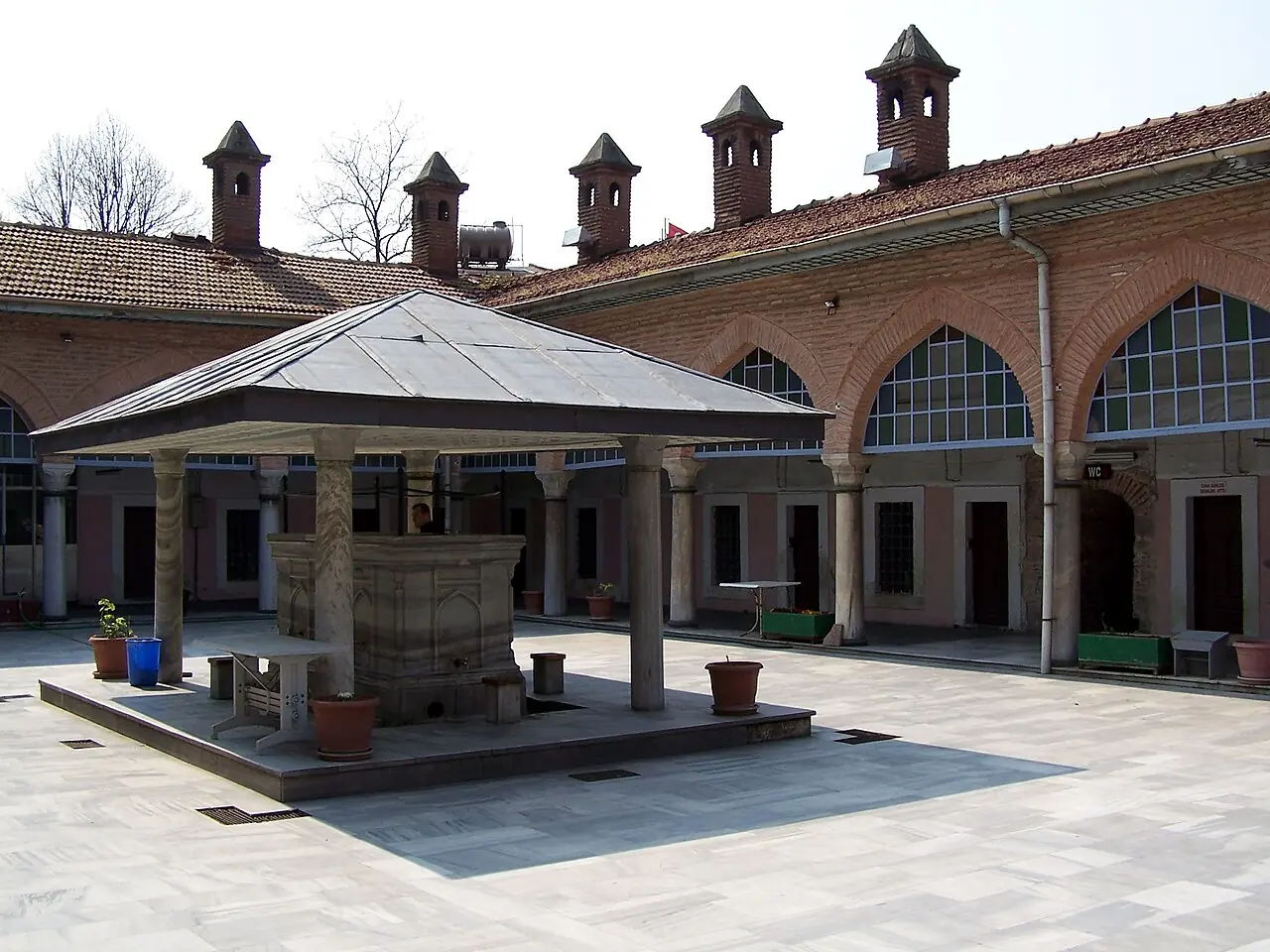
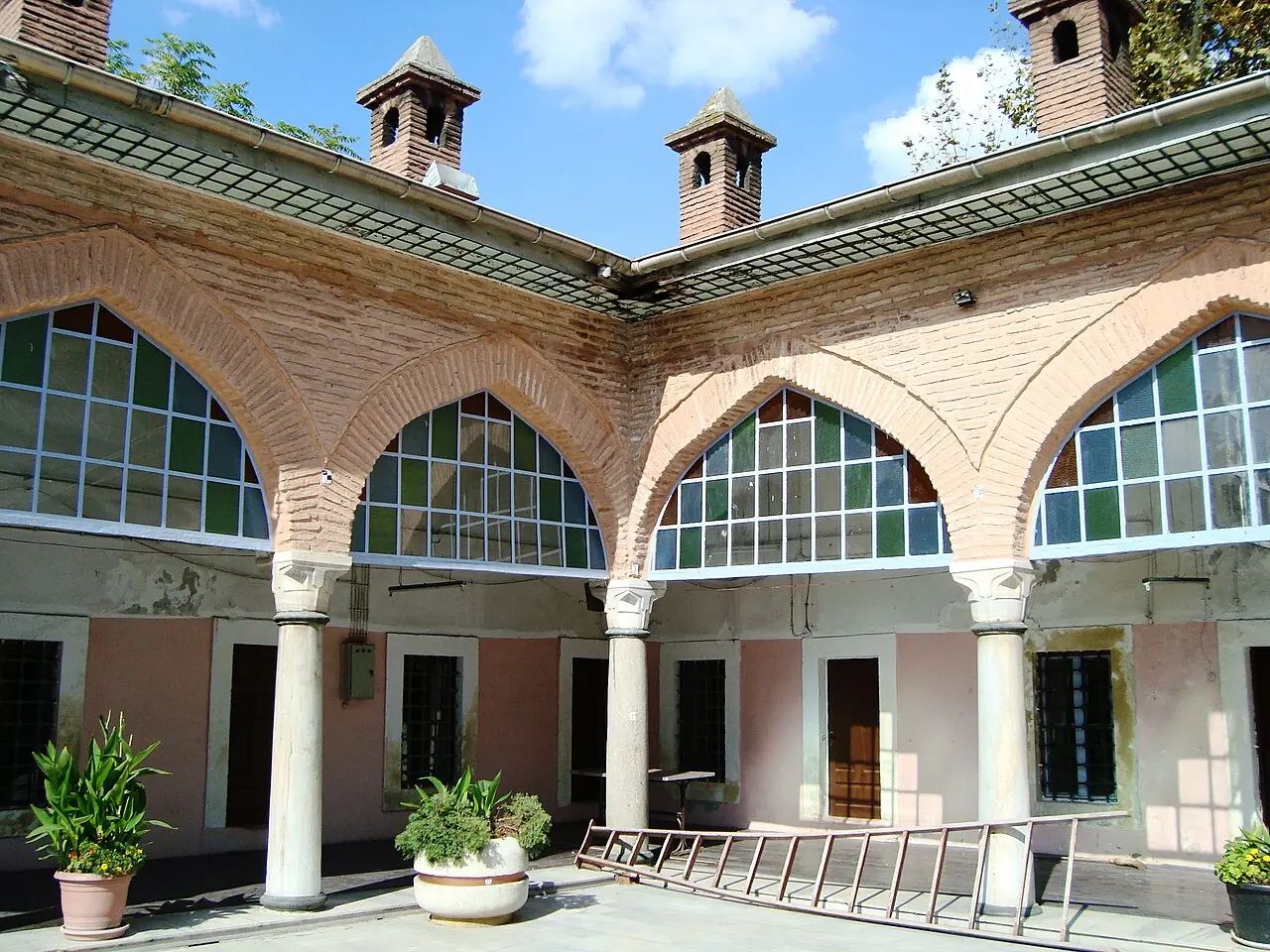
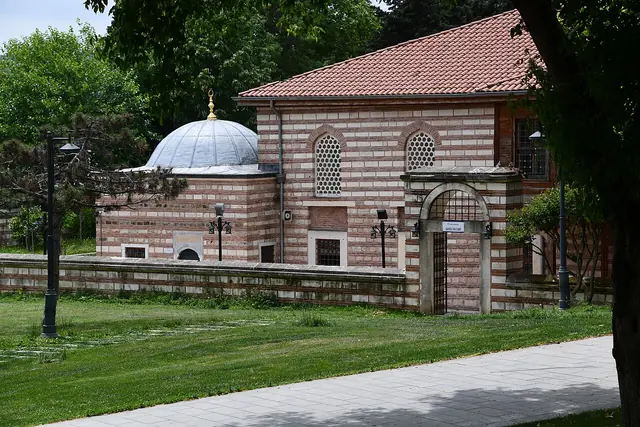
The mosque was commissioned by Sinan Pasha, Grand Admiral (Kaptan-ı Derya) of the Ottoman navy from 1550 to 1553, and the younger brother of Grand Vizier Rüstem Pasha. He died in 1554 and never saw the mosque completed; the gilded Arabic foundation inscription above the mosque's arched gateway records the date of completion as November/December 1555. The original külliye included a mosque, madrasa, primary school (mekteb), and hamam; today only the mosque and madrasa survive. A comprehensive restoration was completed in 2014.
Architecture
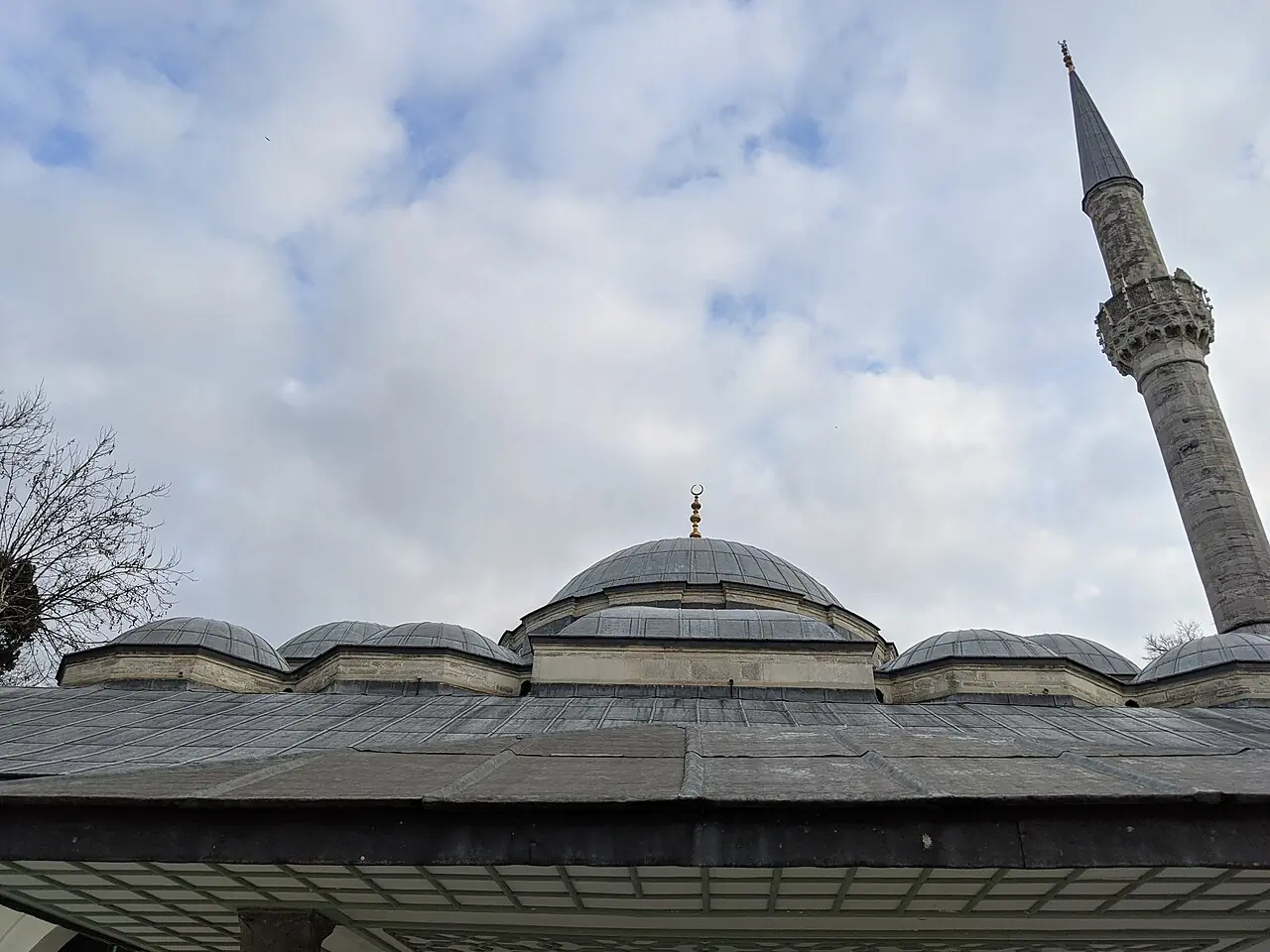
The mosque is one of the earliest documented uses of Sinan's hexagonal baldaquin (six-pier) structural system in Istanbul: a 12.6 m dome is supported on six arches with two free-standing hexagonal piers. The design was consciously modeled on the Üç Şerefeli Mosque in Edirne (1437–47), the last major pre-classical Ottoman mosque, but Sinan introduced structural improvements to address weaknesses in that earlier building. The interior is noticeably less decorated than other Sinan mosques, attributed to the patron's death during construction.
In Sinan's evolution
Early career (1554–55). First documented use of the hexagonal baldaquin in Sinan's Istanbul output. Acts as a structural prototype that Sinan would refine in Kara Ahmed Pasha (1565–72) and Molla Çelebi. The explicit debt to Üç Şerefeli Mosque (Edirne) shows Sinan still working from pre-classical Ottoman models while introducing structural improvements.
Sinan Tree →Facts
- This is the earliest known use of a hexagonal baldaquin (six free-standing piers supporting the central dome) in Sinan's Istanbul output — the structural type he later developed in Kara Ahmed Pasha (1565–72) and Molla Çelebi. istanbultourstudio.com
- The patron Sinan Pasha was the younger brother of Grand Vizier Rüstem Pasha — the same Rüstem Pasha whose own mosque (1561–63), covered in İznik tiles, is one of the most celebrated in Sinan's output. en.wikipedia.org
- Sinan Pasha died in 1554 and never saw his mosque completed. The gilded Arabic foundation inscription above the gateway records the completion date as November/December 1555 — less than two years after the patron's death. en.wikipedia.org
- The design was explicitly modeled on the Üç Şerefeli Mosque in Edirne (1437–47) — the last great pre-classical Ottoman mosque — but Sinan introduced structural solutions to its weaknesses, making this an early laboratory for his classical method. newworldencyclopedia.org
Photographs