Pre-Ottoman
Arap Mosque
1323–1337 · Beyoğlu / Karaköy
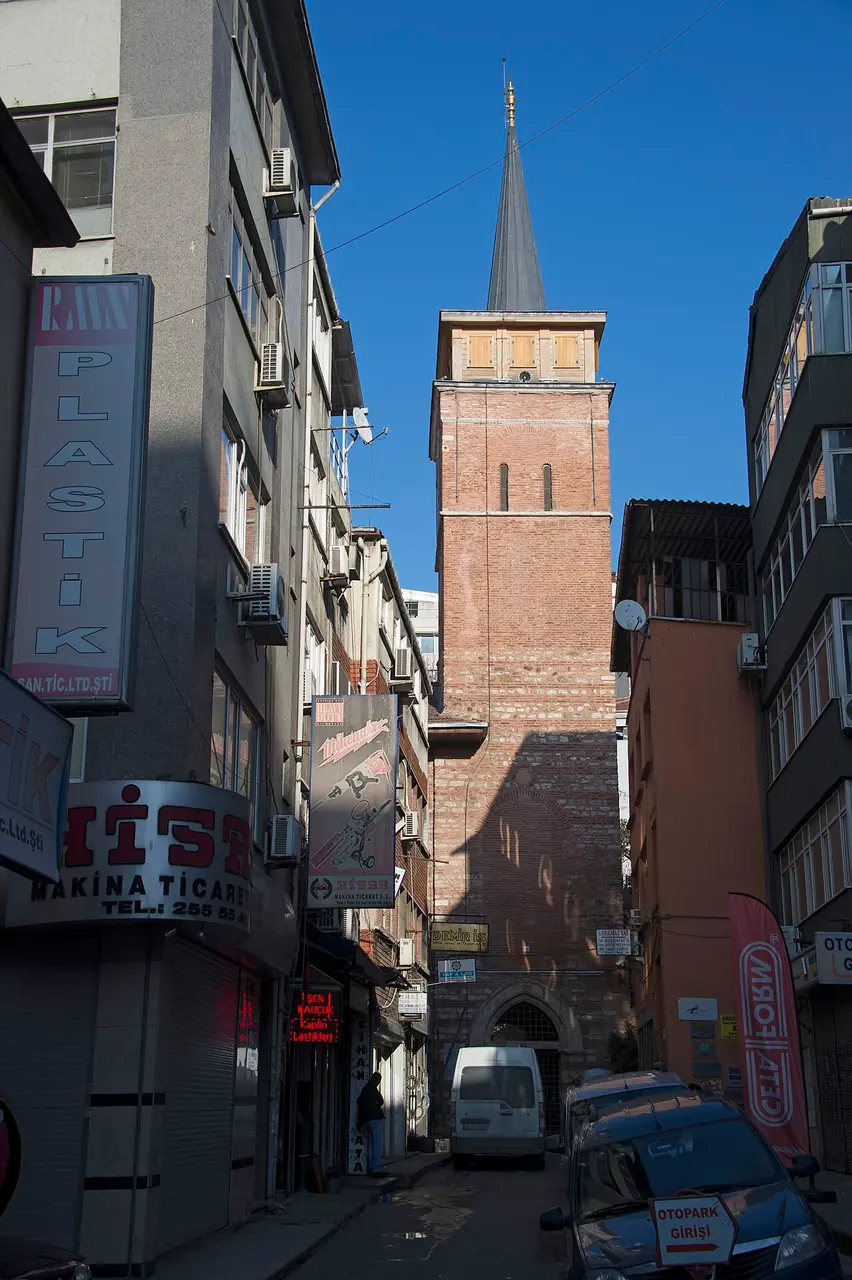
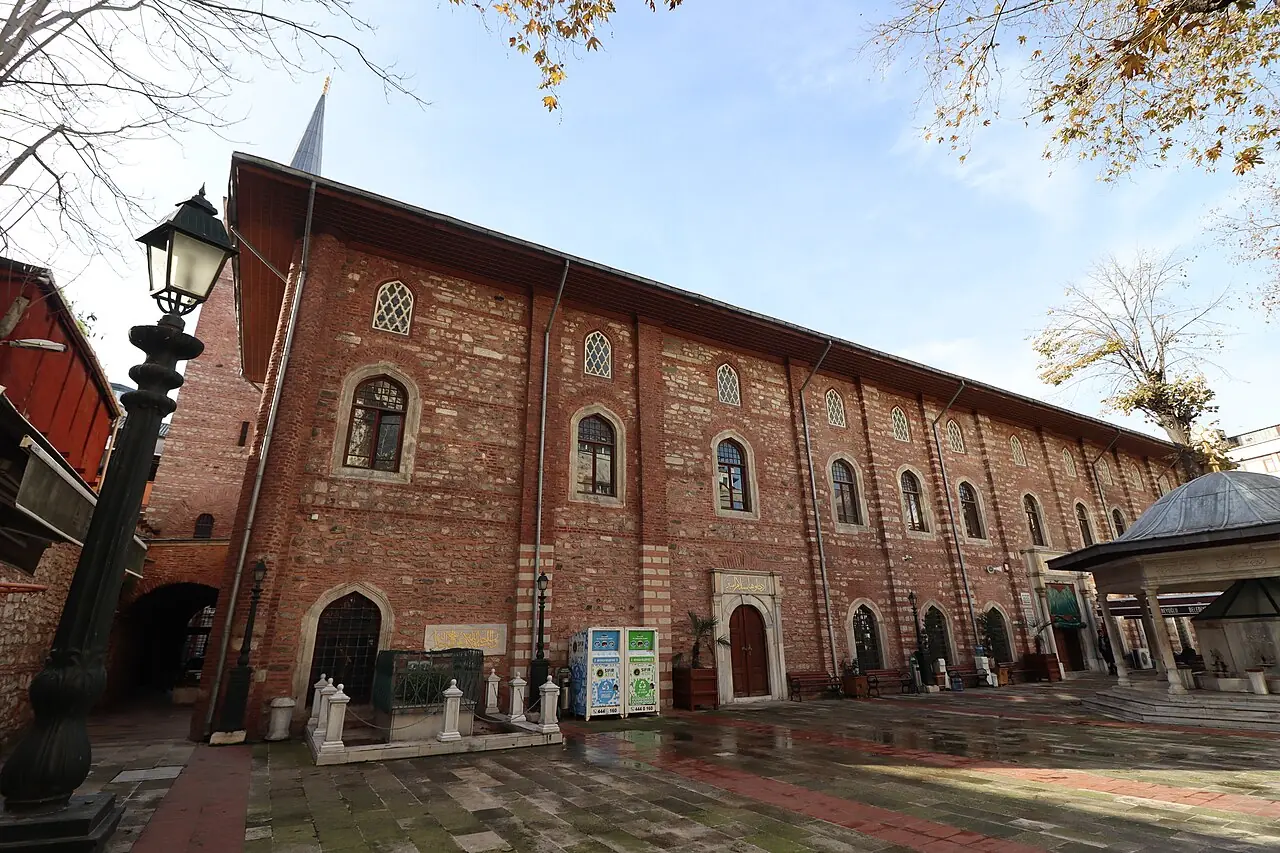
Istanbul’s only former Gothic church turned mosque: a 14th-century Dominican church of Genoese Galata whose square bell tower serves as the minaret. Given to Muslim refugees from Spain after 1492.
- Minarets
- 1
- Built
- 1323–1337
- Architect
- Architect unknown
- Patron
- Dominican Order (Genoese Galata)
- District
- Beyoğlu / Karaköy
History
Arap Mosque is the only former Gothic church in Istanbul to have become a mosque. Dominican friars built it around 1323–1337 in Genoese Galata as the church of San Domenico, on the site of an earlier chapel of St. Paul. It served the Latin Catholic community of the quarter; in 1407 Pope Gregory XII issued an indulgence for its upkeep. After the conquest, Mehmed II converted the building into a mosque (c. 1475–1478). Its present name — the 'Arab Mosque' — came later, when Sultan Bayezid II settled Muslim refugees from al-Andalus nearby, expelled from Spain after 1492. The building has been restored several times; during works in 1913–1919, Genoese tombstones of the 14th–15th centuries were found beneath the floor (now in the Istanbul Archaeology Museum), along with traces of frescoes near the sanctuary.
Architecture
The building is a three-aisled rectangular basilica in the Italian Gothic style, a rarity in Istanbul. Rows of marble columns separate the aisles, with the central nave rising above the sides. The squared eastern end is covered by ribbed groin vaults; the main space carries a wooden roof (the present flat wooden roof dates from the 1913–1919 restoration). A Gothic portal, lancet (pointed-arch) windows, and a rose window survive. Its dominant feature is the massive square bell tower, which became the minaret on conversion and was topped with a conical cap. The masonry, alternating brick and ashlar, recalls churches of northern Italian towns.
Facts
- The only surviving religious building in the Gothic style in Istanbul, and the only church-turned-mosque to retain its Gothic character. en.wikipedia.org
- Originally the Dominican church of San Domenico (c. 1323–1337), built for the Latin community of Genoese Galata over an earlier chapel of St. Paul. thebyzantinelegacy.com
- After the 1492 expulsions from Spain, Bayezid II settled Muslim refugees from al-Andalus nearby, and the building came to be called the 'Arab Mosque'. en.wikipedia.org
- The square Gothic bell tower was turned into the minaret — a form familiar to the Andalusian settlers from Spain. thebyzantinelegacy.com
- During the 1913–1919 restoration, 14th–15th-century Genoese tombstones with coats of arms were uncovered (now in the Archaeology Museum), along with traces of frescoes near the sanctuary, later re-covered. en.wikipedia.org
Photographs