Late Ottoman / Baroque
Bebek Mosque
1913 · Beşiktaş / Bebek
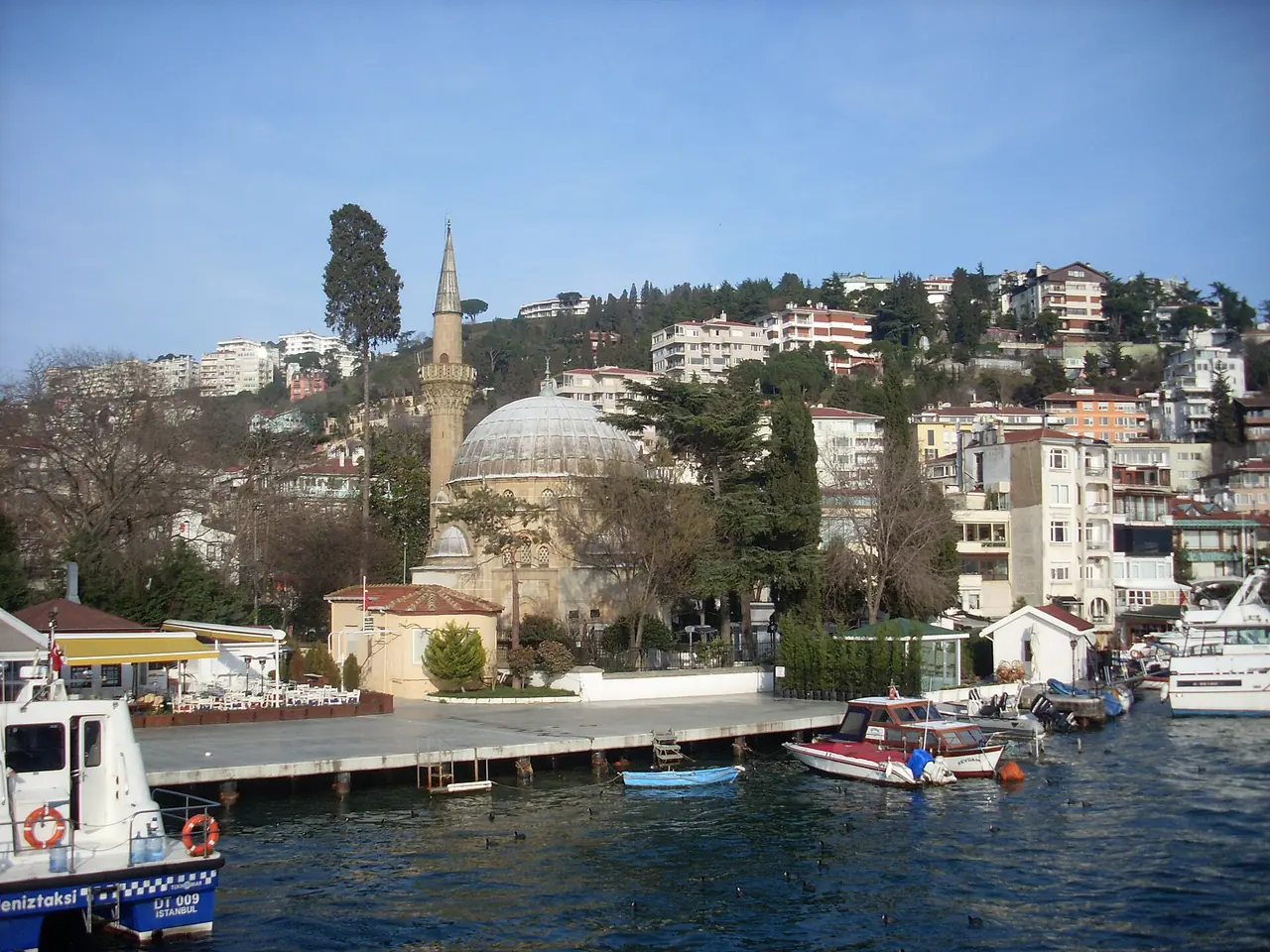
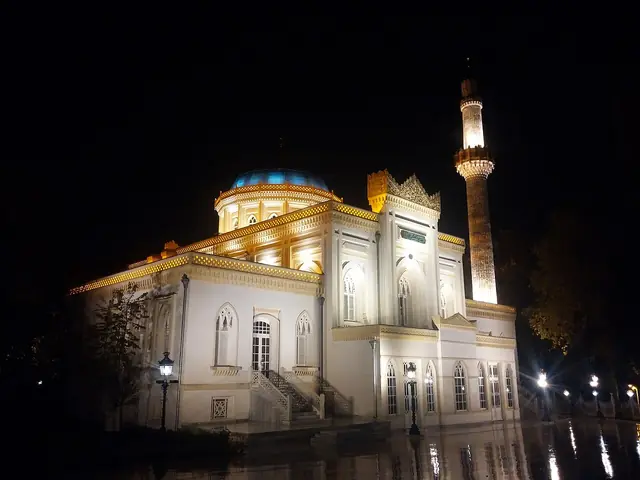
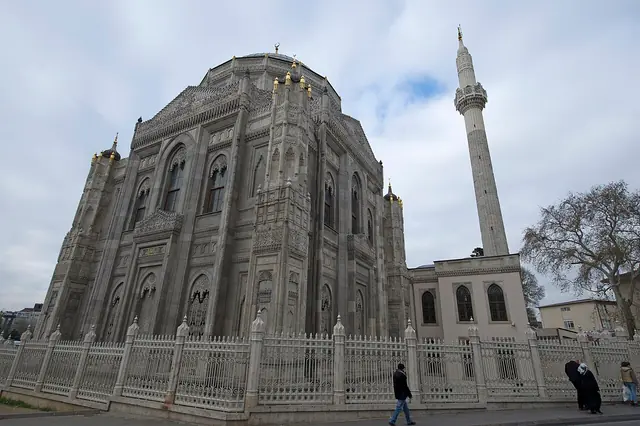
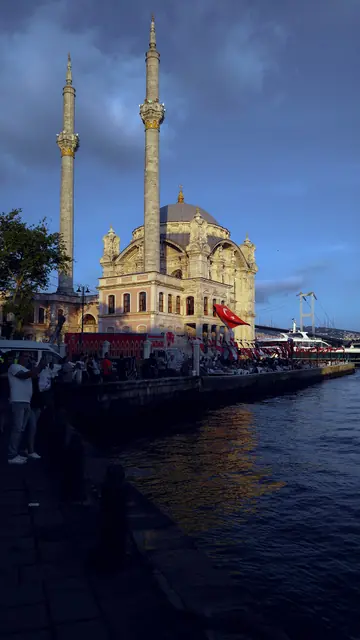
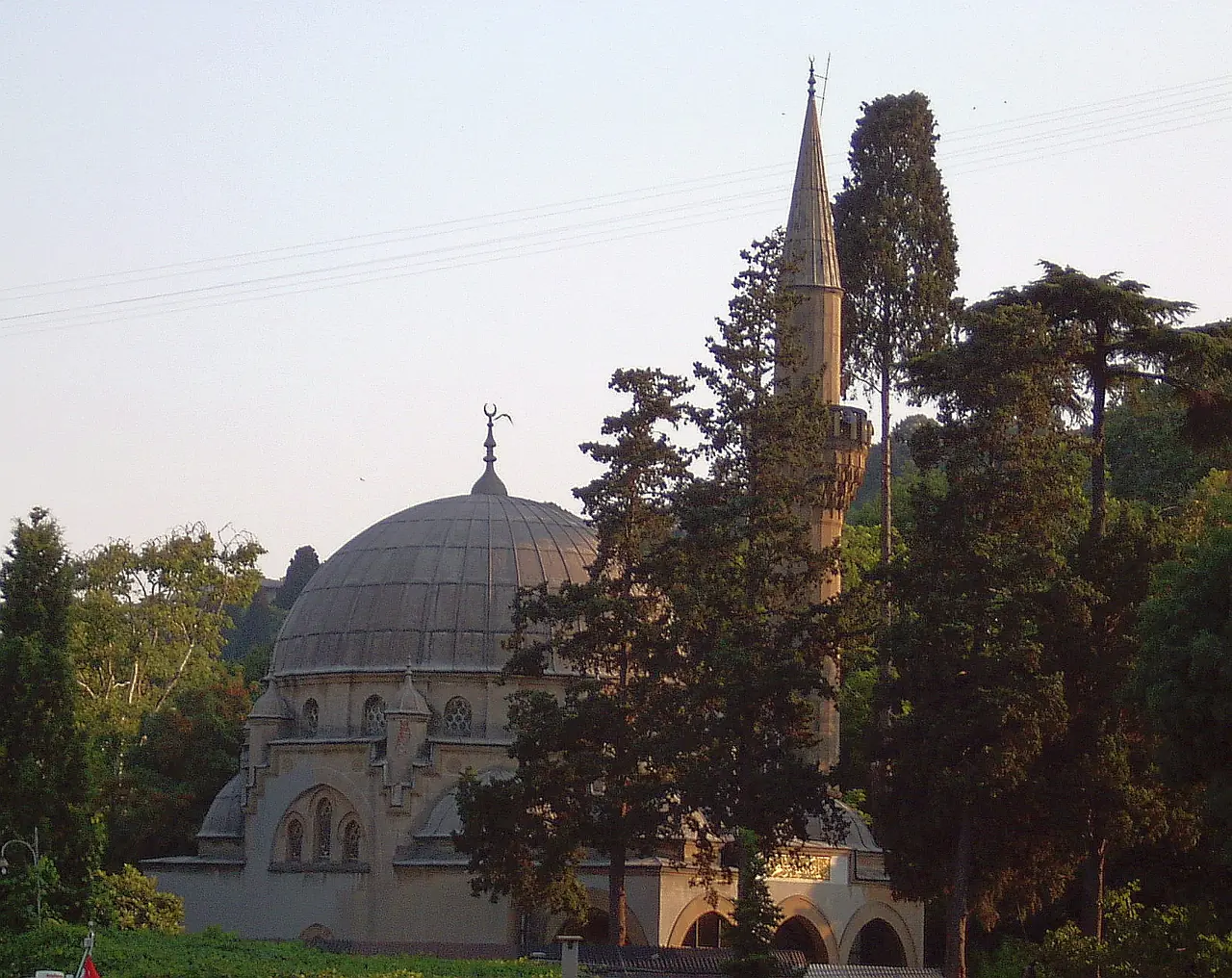
A Bebek waterfront mosque (1913) by Mimar Kemaleddin — a key monument of the First National Architecture movement (neo-Ottoman revival), not Art Nouveau or Baroque. A square limestone-ashlar plan with a dome on four half-domes, right at the Bosphorus water's edge.
- Minarets
- 1
- Built
- 1913
- Architect
- Mimar Kemaleddin
- Patron
- Grand Vizier Nevşehirli Damat İbrahim Pasha (original endowment, 18th c.); the present building was erected in 1913
- District
- Beşiktaş / Bebek
History
Bebek Mosque (officially Hümayûn-u Âbad, 'the Prosperous Imperial') stands by Bebek Bay on the European shore of the Bosphorus, behind the Bebek pier in the Beşiktaş district. The present building was erected in 1913 on the site of an earlier mosque that went back to an endowment of Grand Vizier Nevşehirli Damat İbrahim Pasha (18th century). Its architect was Mimar Kemaleddin (1870–1927), one of the leading architects of the late Ottoman period and a central figure of the First National Architecture movement. That movement, which unfolded in the 1910s, deliberately revived classical Ottoman and Seljuk forms as a national style, in reaction against the European eclecticism and Baroque of the previous century.
Architecture
Bebek is a characteristic work of the First National movement rather than the Baroque: Kemaleddin reaches for the vocabulary of the classical Ottoman mosque but handles it anew. The building is square in plan and built of limestone ashlar; the central dome rests on four half-domes carried on eight piers. The façades are pierced by six large arched windows (two each at front and back, one on each side) and a band of 28 small arched windows above them, filling the hall with light. A single multi-faceted minaret on a tall base, decorated with muqarnas, adjoins the western corner of the mosque. Set in a small courtyard behind low walls right at the water's edge, it is a conspicuous landmark of the Bebek waterfront.
Facts
- The present building was erected in 1913 by the architect Mimar Kemaleddin (1870–1927), a key figure of the First National Architecture movement. en.wikipedia.org
- It is an example of the early Turkish national style (neo-Ottoman revival), not Art Nouveau or Baroque. archnet.org
- The mosque was built on the site of an earlier one going back to an endowment of Grand Vizier Nevşehirli Damat İbrahim Pasha (1666–1730). en.wikipedia.org
- The building has a square plan in limestone ashlar; the central dome is supported by four half-domes on eight piers. en.wikipedia.org
- A single multi-faceted minaret on a tall, muqarnas-decorated base adjoins the western corner; the façades are pierced by 6 large and 28 small arched windows. en.wikipedia.org
Photographs