Pre-Ottoman
Bodrum Mosque (Myrelaion Church)
920–922 · Fatih / Laleli
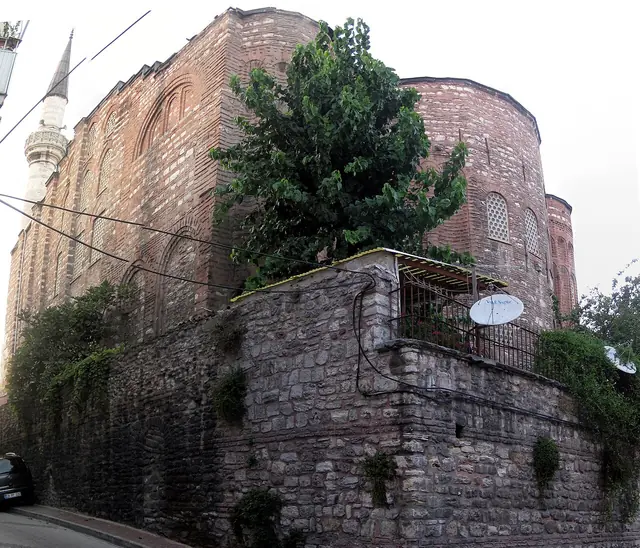
A 10th-century Byzantine church perched on a giant 5th-century rotunda — hence its Turkish name 'Bodrum', the cellar. It was built as the dynastic mausoleum of Emperor Romanos Lekapenos.
- Minarets
- 1
- Built
- 920–922
- Architect
- Architect unknown
- Patron
- Emperor Romanos I Lekapenos
- District
- Fatih / Laleli
History
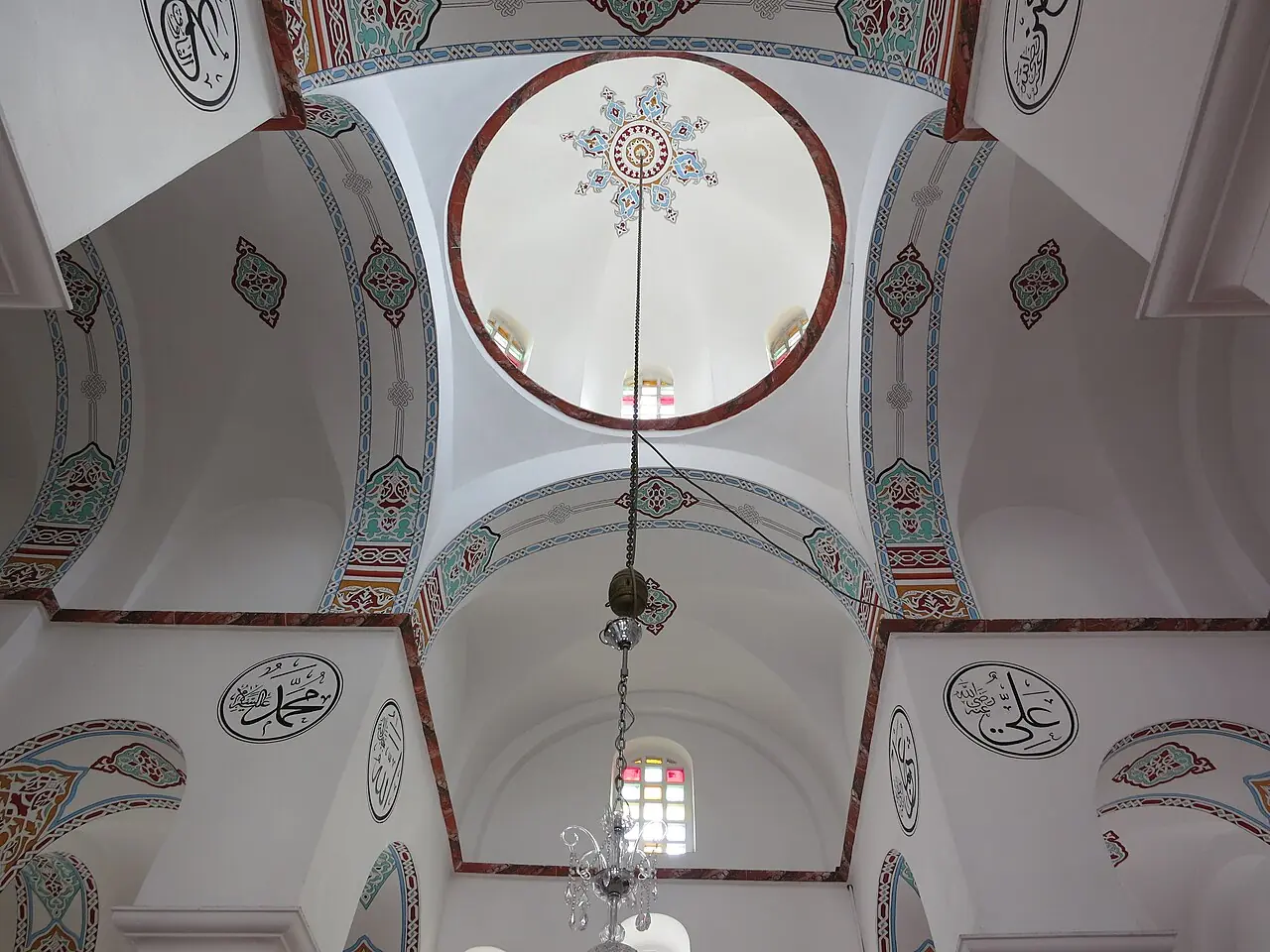
The Myrelaion Church was built around 920–922 by the future emperor Romanos I Lekapenos beside his palace near the Sea of Marmara, in the district called Myrelaion. Its purpose was unusual: it was conceived as a dynastic mausoleum — the emperor's wife Theodora was the first interred there in December 922, followed by his son and co-emperor Christopher (931), breaking with the tradition of imperial burial at the Church of the Holy Apostles. After the Ottoman conquest of 1453, the church was converted into a mosque around 1500, during the reign of Bayezid II, by Grand Vizier Mesih Pasha. It suffered severe fires in 1784 and 1911, was restored in 1964–1965, and reopened as a mosque in 1986.
Architecture
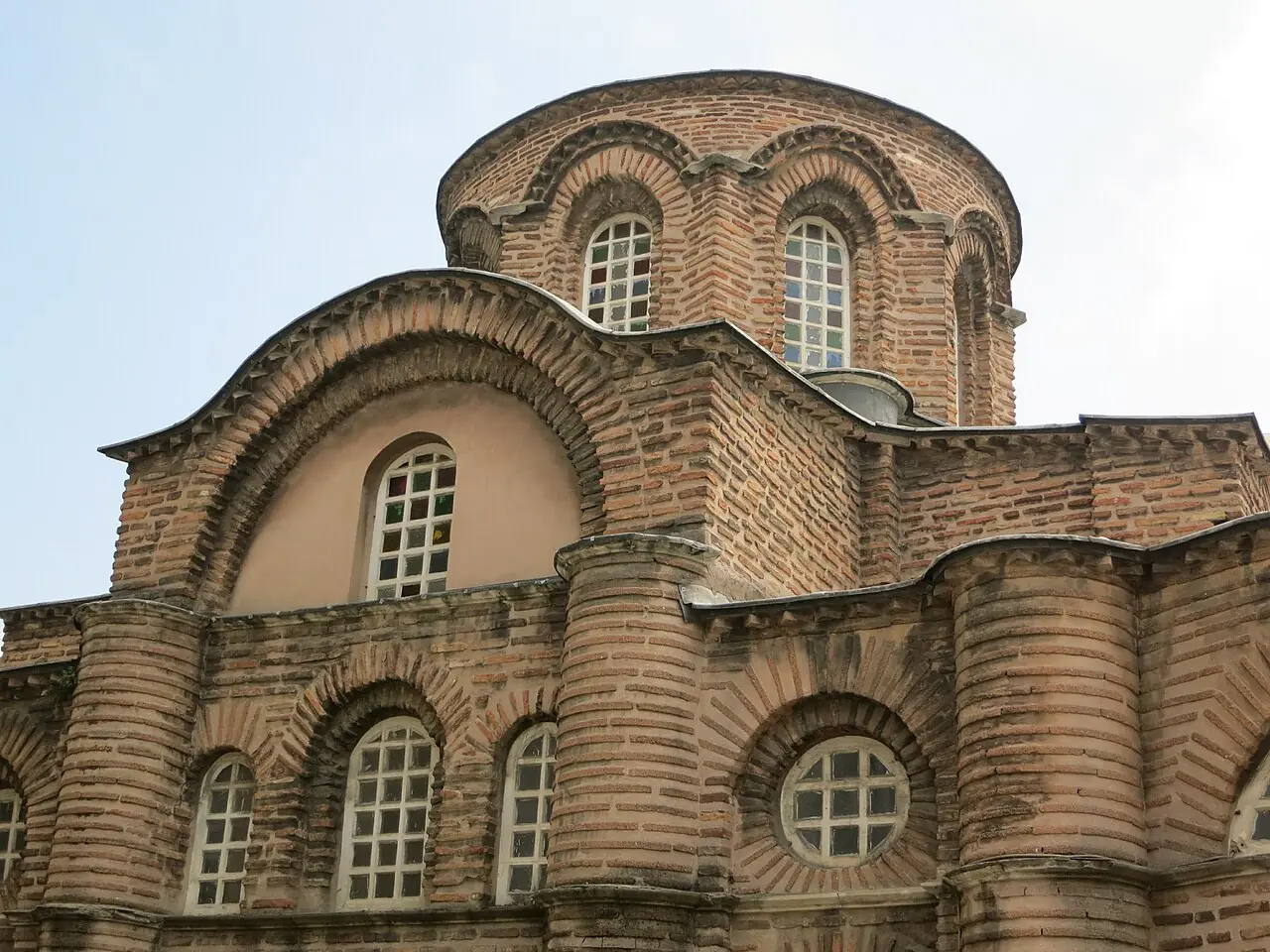
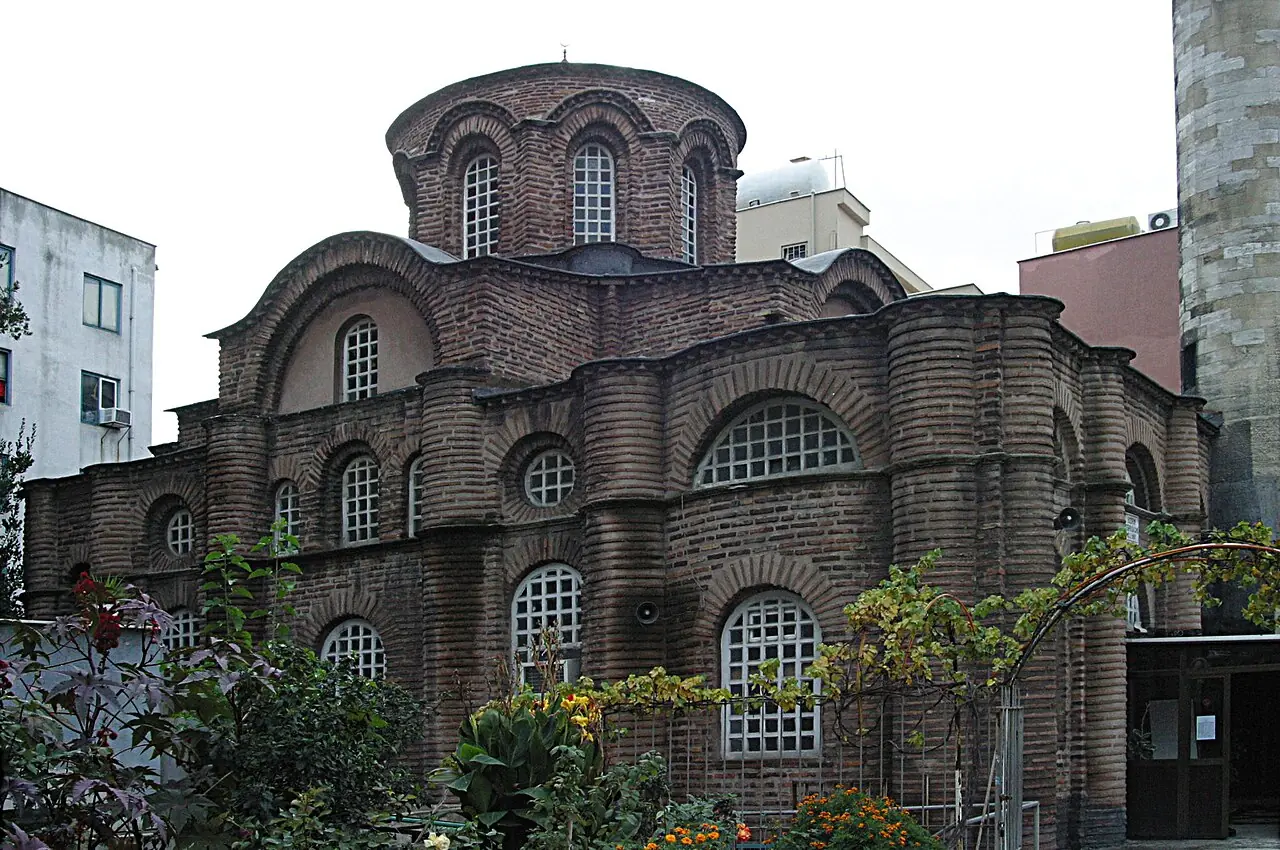
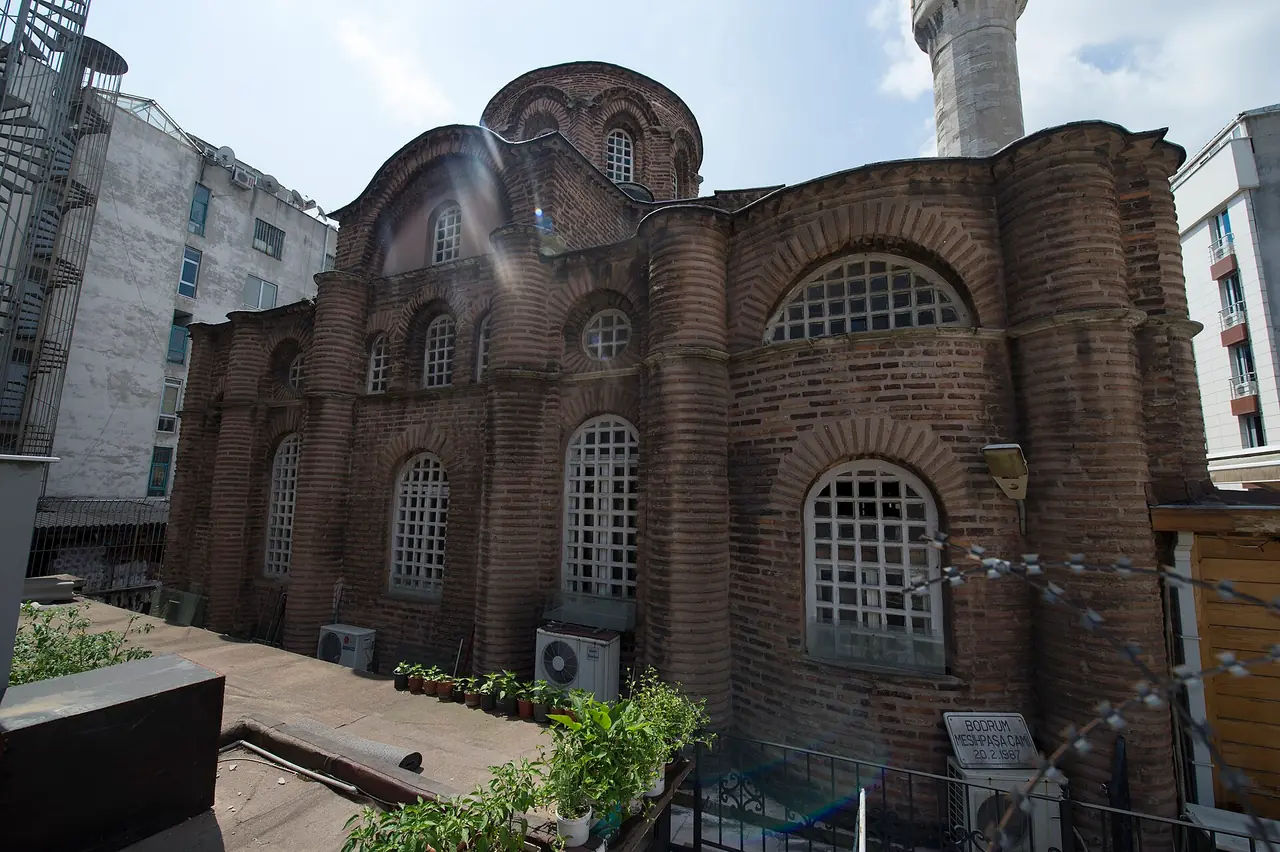
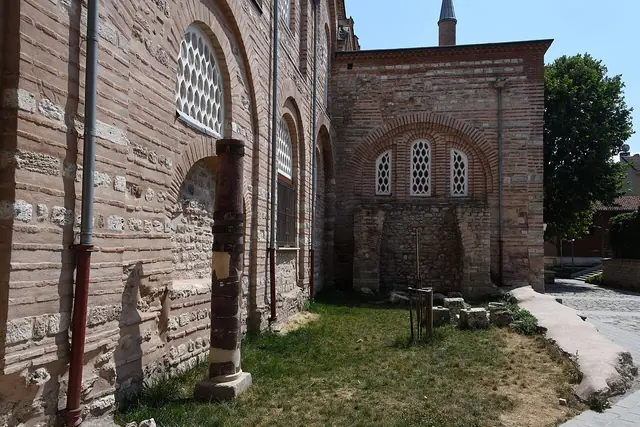
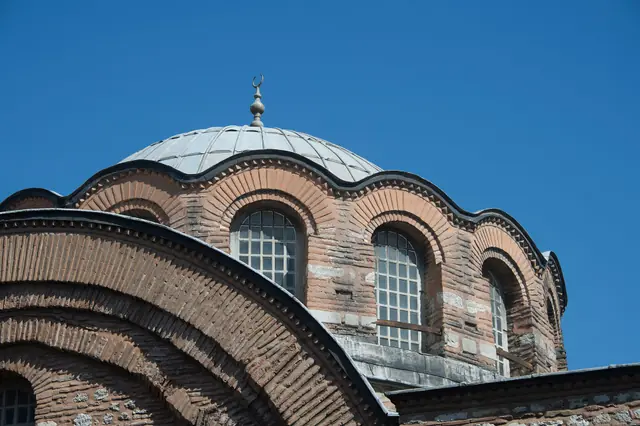
The church is built entirely of brick on a cross-in-square (quincunx) plan with sides about nine meters long, crowned by a central dome on a drum pierced by arched windows. Three polygonal apses adjoin it on the east, with a narthex and barrel-vaulted side bays. The mosque owes its Turkish name 'Bodrum' (cellar, subterranean vault) to the massive substructure beneath it. The church stands atop a 5th-century rotunda roughly 41.8 meters in external diameter — said to be the second largest in the ancient world after the Roman Pantheon — later converted into a cistern with a vaulted system carried on dozens of columns. The mosque has a single minaret, added by the Ottomans.
Facts
- The church was built around 920–922 by the future emperor Romanos I Lekapenos as a dynastic mausoleum. en.wikipedia.org
- The emperor's wife Theodora was the first buried there in December 922, followed by his son and co-emperor Christopher (931). en.wikipedia.org
- Its Turkish name 'Bodrum' (cellar) comes from the massive substructure — a 5th-century rotunda beneath the church. thebyzantinelegacy.com
- The lower rotunda is about 41.8 m in external diameter, said to be the second largest in the ancient world after the Roman Pantheon, and was later turned into a cistern. thebyzantinelegacy.com
- Around 1500, under Bayezid II, Grand Vizier Mesih Pasha converted the church into a mosque. en.wikipedia.org
Photographs

_-_14008971645.jpg)
