Pre-Ottoman
Zeyrek Mosque (Pantokrator Monastery)
1118–1136 · Fatih / Zeyrek
The second-largest surviving Byzantine building in Istanbul after Hagia Sophia — a 12th-century Komnenian monastery of two cross-in-square churches joined by a dynastic funerary chapel, with a rare opus sectile floor and early figural stained glass.
- Minarets
- 1
- Built
- 1118–1136
- Architect
- Architect unknown
- Patron
- John II Komnenos & Empress Irene
- District
- Fatih / Zeyrek
History
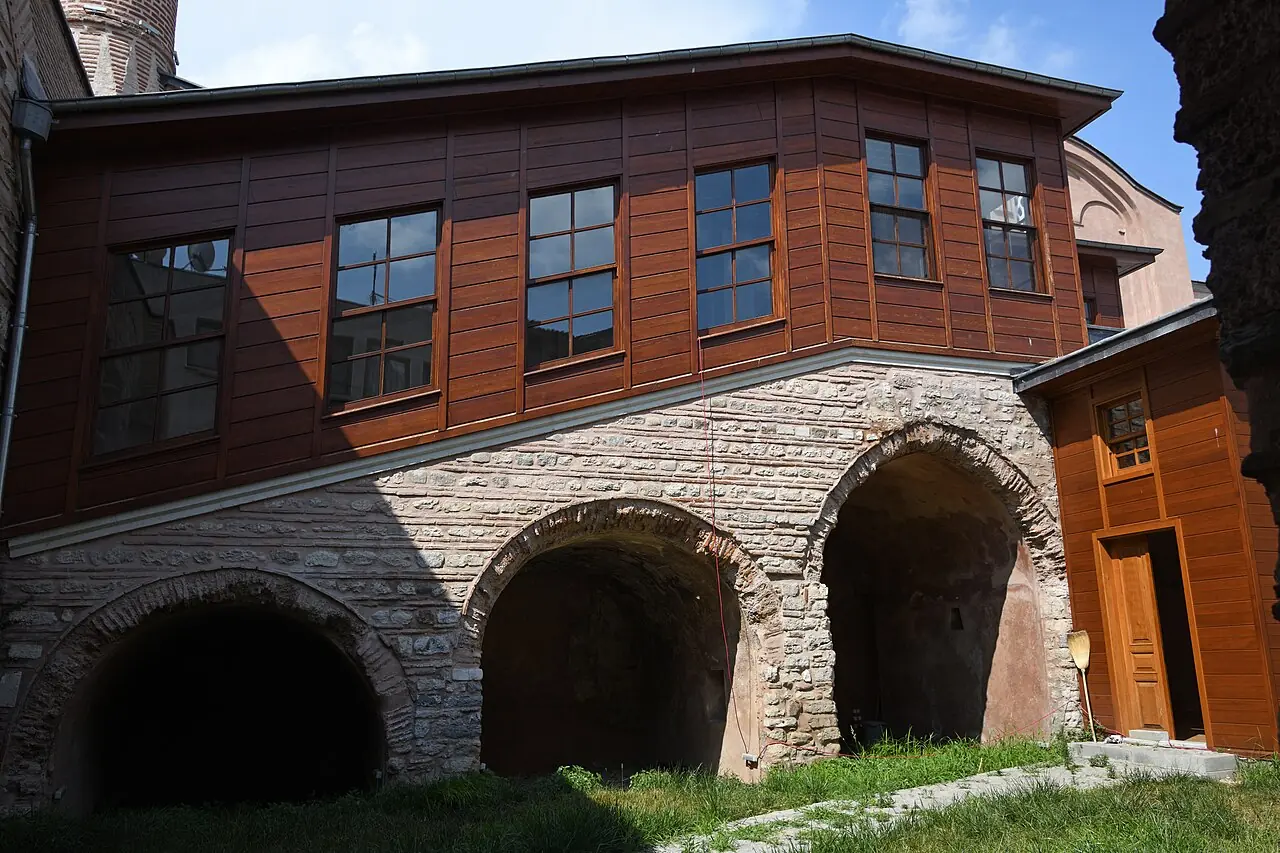
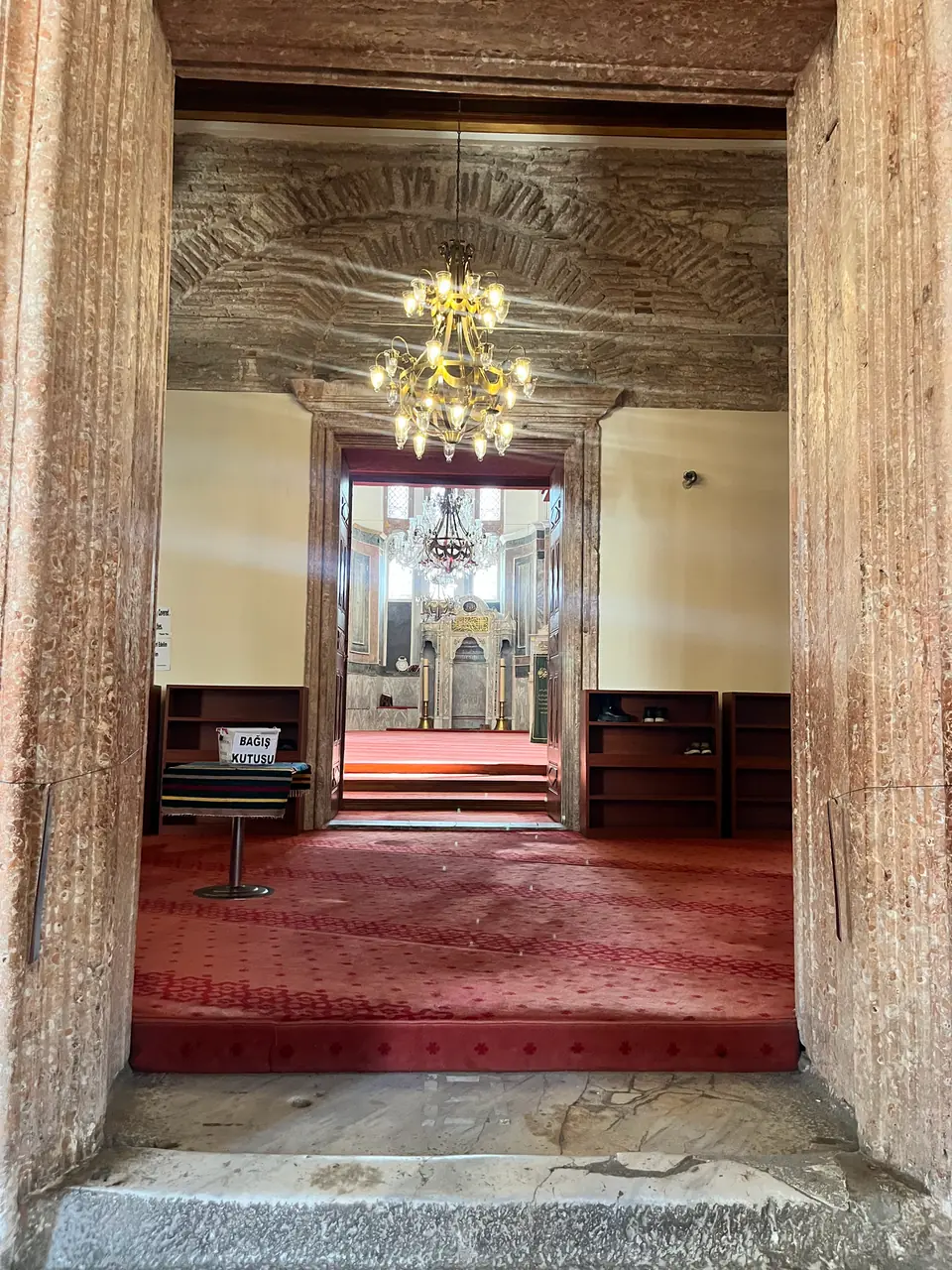
Zeyrek Mosque is the former Byzantine Monastery of Christ Pantokrator, the second-largest surviving work of Byzantine architecture in Istanbul after Hagia Sophia. The complex was built between 1118 and 1136 under Emperor John II Komnenos and his wife, Empress Irene, as a monastery comprising two churches, a funerary chapel for the Komnenos and Palaiologos dynasties, and a celebrated hospital (xenon). In the Middle Ages it was the third most important religious centre of Constantinople. After the 1453 conquest, Mehmed II converted the building into a mosque; it took its name from Molla Zeyrek, a leading scholar of the period who taught at the madrasa established here. The Ottomans added a minaret, mihrab, and minbar while preserving the Byzantine core. The complex lies within the UNESCO World Heritage 'Historic Areas of Istanbul'.
Architecture
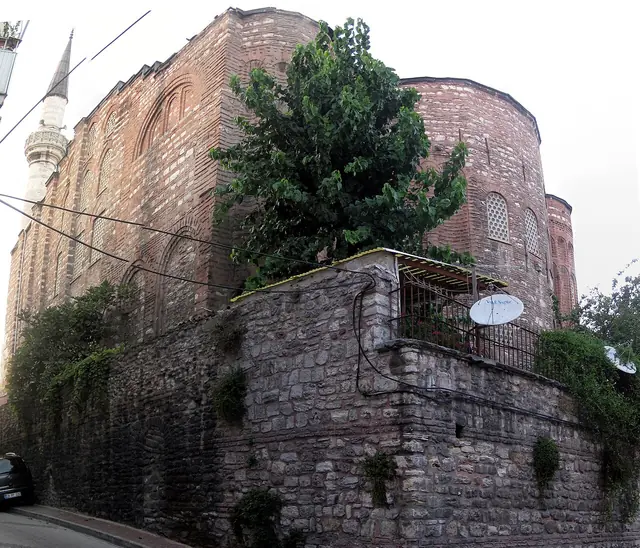
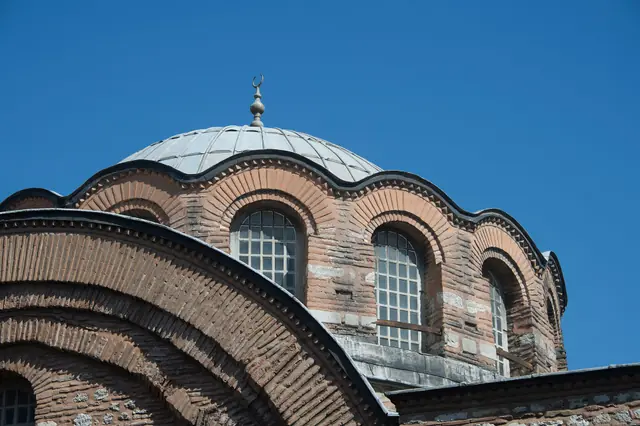
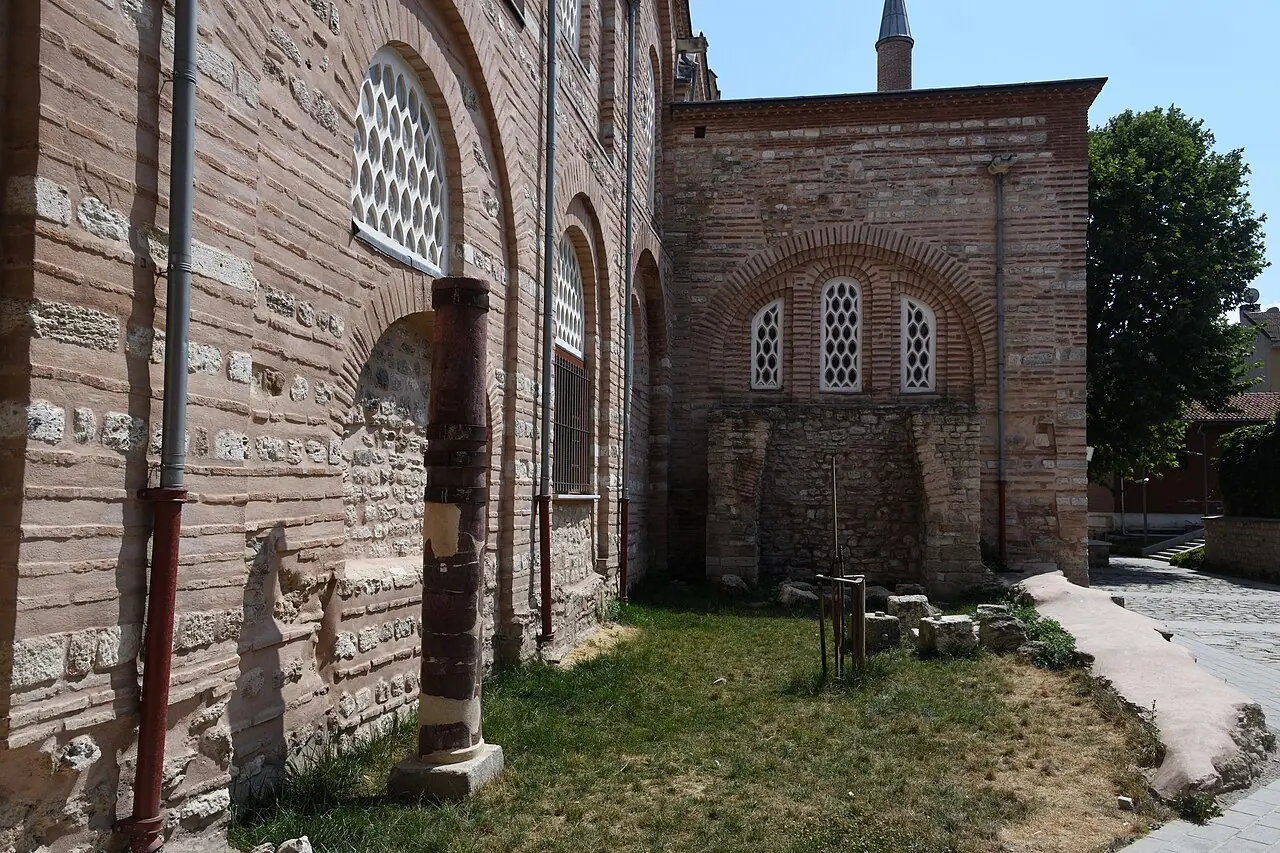
The ensemble consists of two cross-in-square churches (south and north) joined by a third, funerary chapel between them. Each church has a central dome, a narthex, and a tripartite sanctuary; the masonry is the characteristic Byzantine mix of brick and stone. The south church preserves a rare coloured-marble opus sectile floor and fragments of figural stained glass — among the oldest known. The building stands on the city's Fourth Hill, above a Byzantine cistern, its multi-domed silhouette dominating the slope down to the Golden Horn. A long-running restoration is gradually revealing the original Byzantine fabric beneath the Ottoman layers.
Facts
- The second-largest surviving work of Byzantine architecture in Istanbul after Hagia Sophia. museumpass.istanbul
- Built 1118–1136 under John II Komnenos and Empress Irene as the Monastery of Christ Pantokrator. thebyzantinelegacy.com
- Included a celebrated hospital (xenon) — one of the best-studied examples of Byzantine medical architecture. sciencedirect.com
- Comprises two cross-in-square churches joined by a Komnenos–Palaiologos funerary chapel in between. thebyzantinelegacy.com
- Converted to a mosque by Mehmed II after 1453; named after the scholar Molla Zeyrek, who taught at the madrasa here. istanbulclues.com
Photographs