Pre-Ottoman
Gül Mosque
1100 · Fatih / Ayakapı
A five-domed former Byzantine church on the slope above the Golden Horn, called the 'Rose' for the legend that it stood wreathed in roses on the eve of Constantinople's fall in 1453.
- Minarets
- 1
- Built
- 1100
- Architect
- Architect unknown
- Patron
- Byzantine founder unknown (date and dedication disputed); converted to a mosque after 1453, minaret added under Selim II (Hasan Pasha)
- District
- Fatih / Ayakapı
History
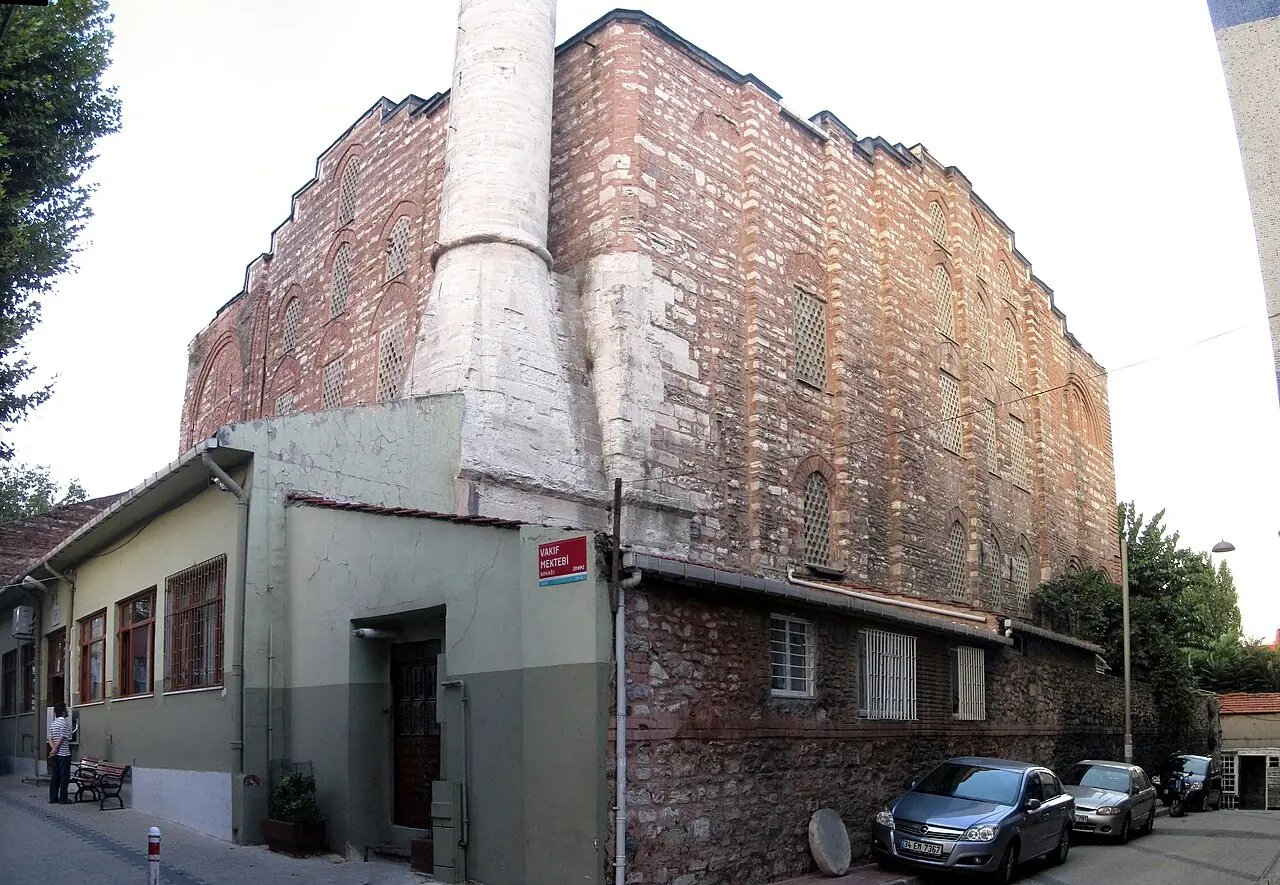
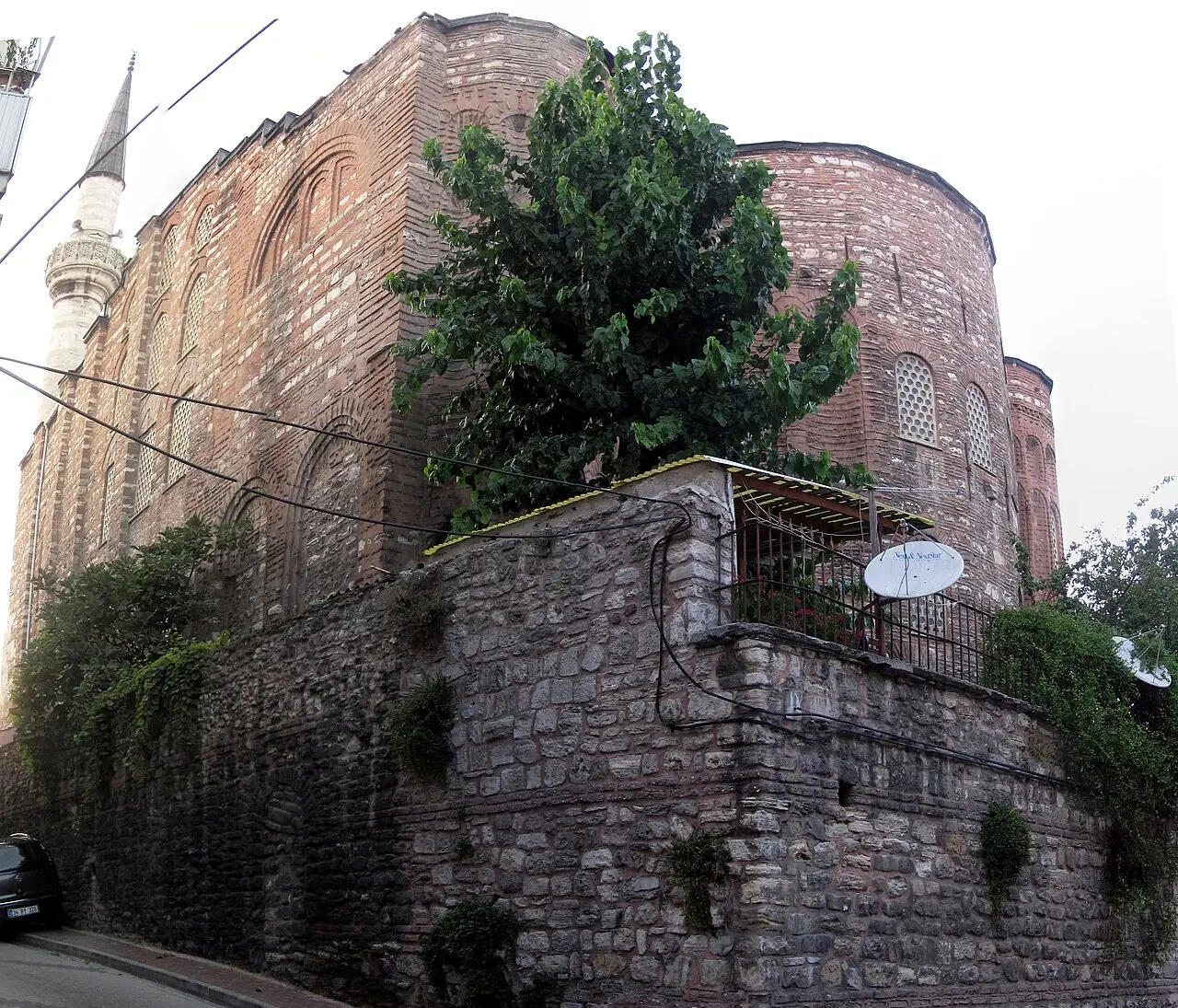
The Gül Mosque is a former Byzantine church on the slope above the Golden Horn whose original dedication remains a matter of scholarly dispute: it is identified variously with the church of Saint Theodosia or with the church of the monastery of Christ Euergetes (the Benefactor). Its construction date is likewise contested: the archaeologist Hartmut Schäfer estimated it to the late eleventh to first half of the twelfth century (the Komnenian period), while others placed it in the late tenth century or the reign of Basil I (867–886). According to legend, on the eve of Constantinople's fall, 28 May 1453 — the feast of Saint Theodosia — the church was adorned with garlands of roses, which is thought to lie behind the name 'Rose' (Gül). After the Ottoman conquest the building was converted into a mosque around 1490. A minaret was erected between 1566 and 1574 under Sultan Selim II by Hasan Pasha, a naval supplier, and Sultan Murad IV later restored the dome.
Architecture
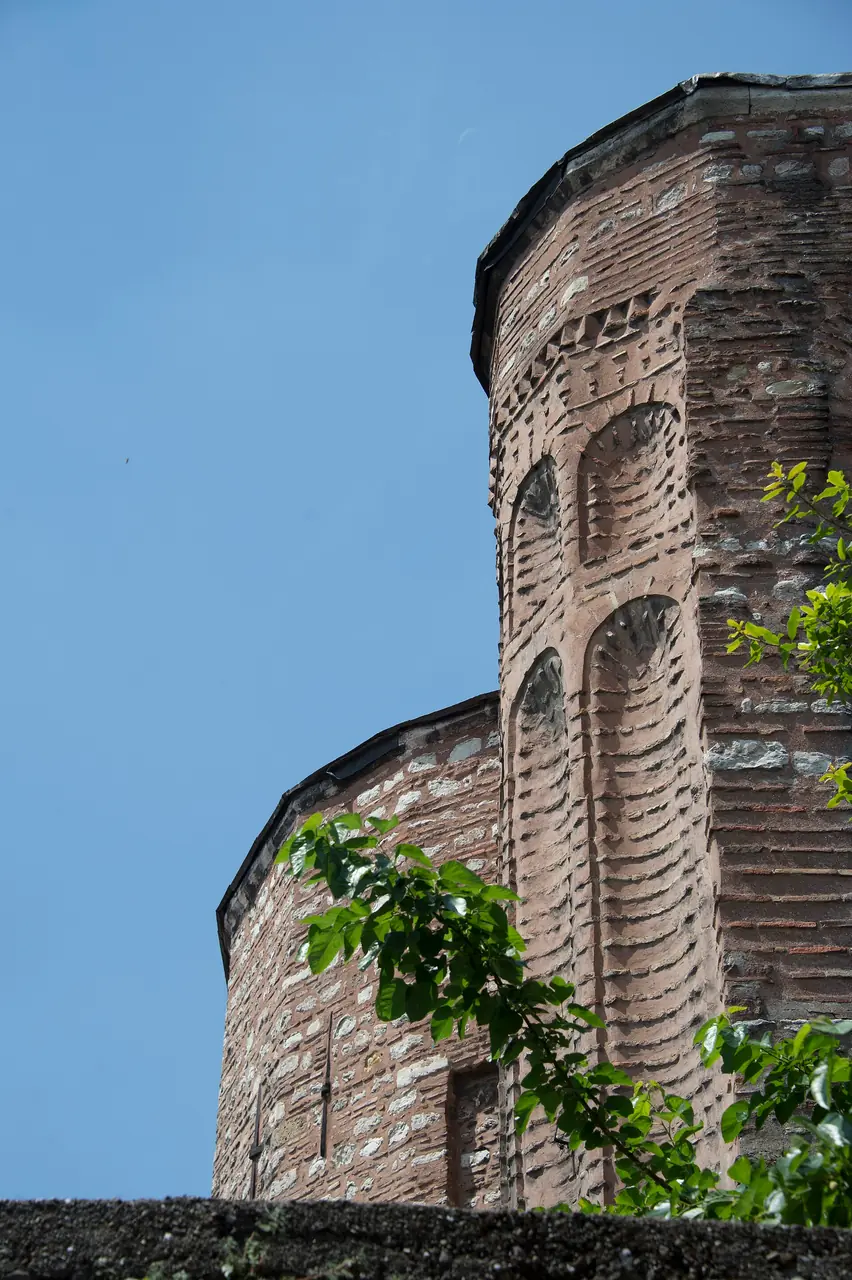
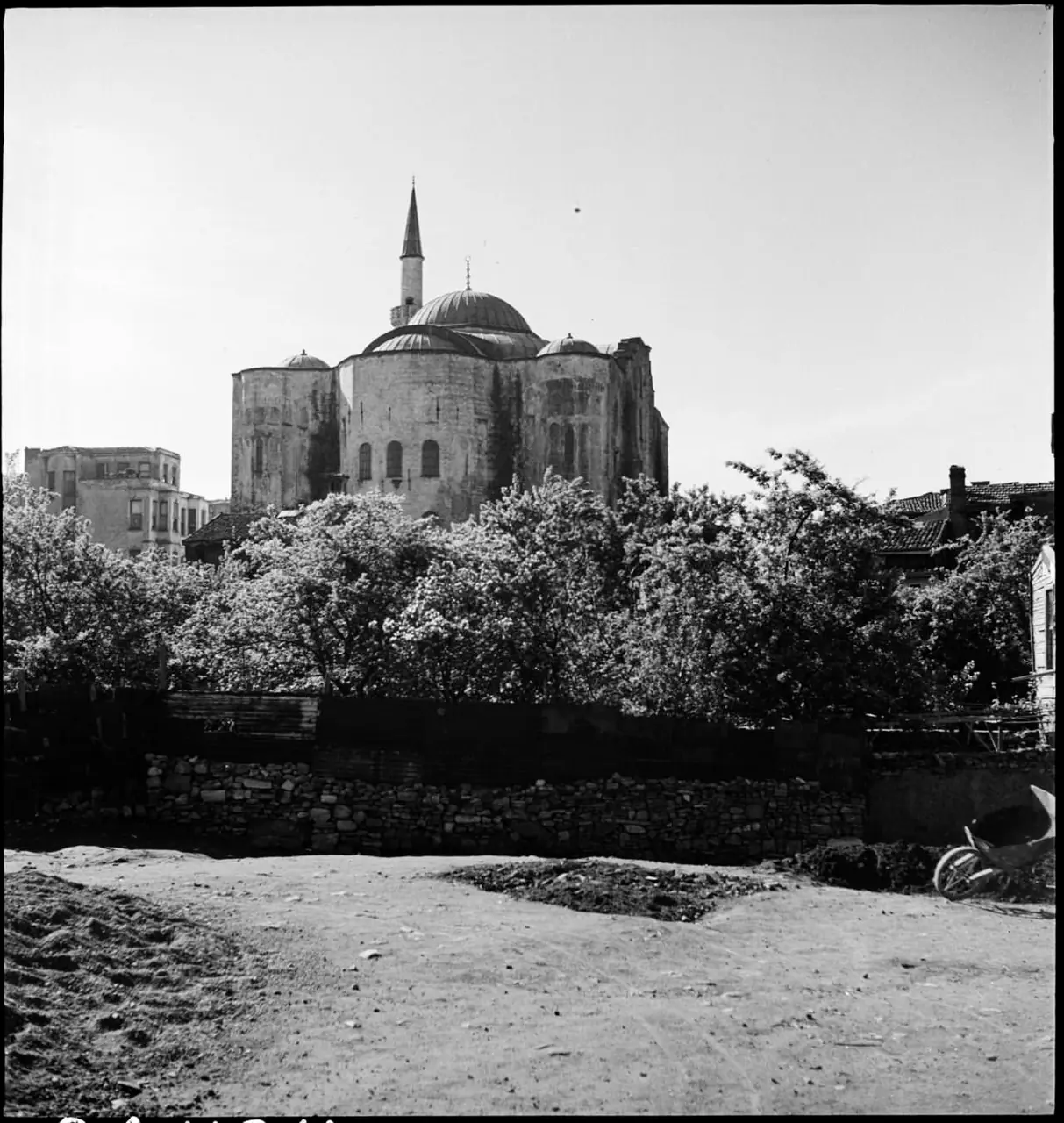
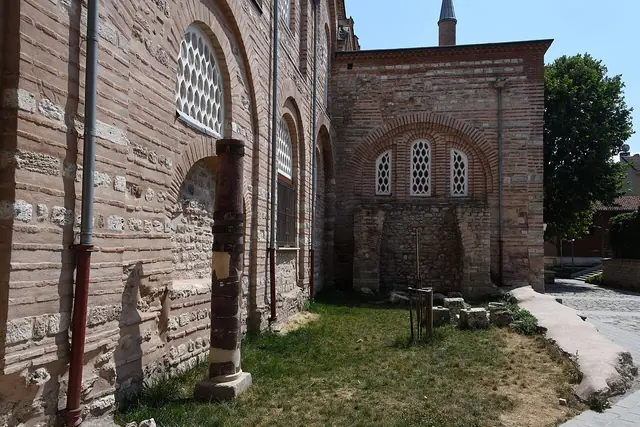
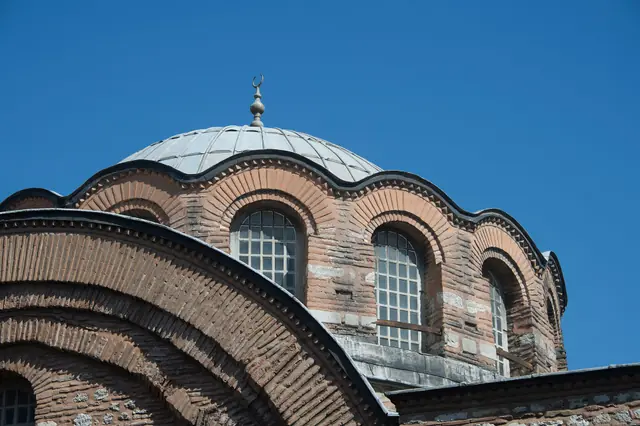
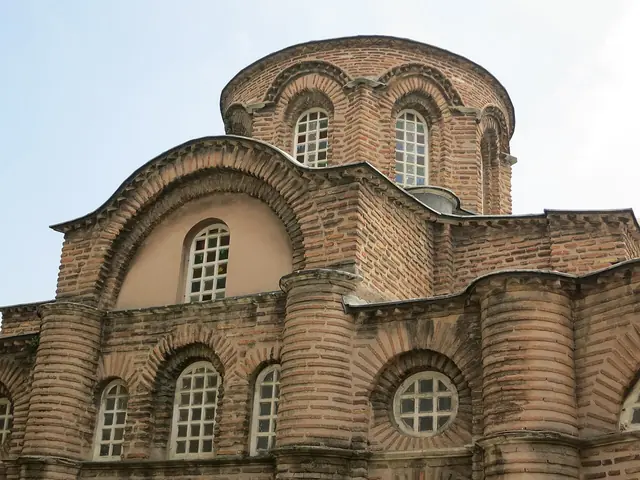
Built of brick and stone, the church follows a cross-in-square plan measuring about 26 by 20 metres. It is covered by five domes: a central one and four corner domes. Three apses survive on the east end, the middle one wider than those flanking it. Small chambers are carved into the corner piers supporting the dome. The Ottomans added a single minaret, and no narthex survives in its present form.
Facts
- The church's original dedication is disputed, identified variously with the church of Saint Theodosia or with the church of the monastery of Christ Euergetes (the Benefactor). en.wikipedia.org
- By legend the church was adorned with garlands of roses on the eve of Constantinople's fall, 28 May 1453, which is linked to the name 'Rose' / Gül. en.wikipedia.org
- The archaeologist Hartmut Schäfer dated the building to the late 11th–first half of the 12th century (Komnenian period) and hypothetically identified it as the monastery of Christos Euergetes. en.wikipedia.org
- The building was converted into a mosque around 1490; the minaret was erected in 1566–1574 under Selim II by Hasan Pasha. en.wikipedia.org
- The church has a cross-in-square plan about 26 × 20 m and is roofed by five domes. en.wikipedia.org
Photographs