Sinan / Classical
Cihangir Mosque
1559–1560 · Beyoğlu / Cihangir
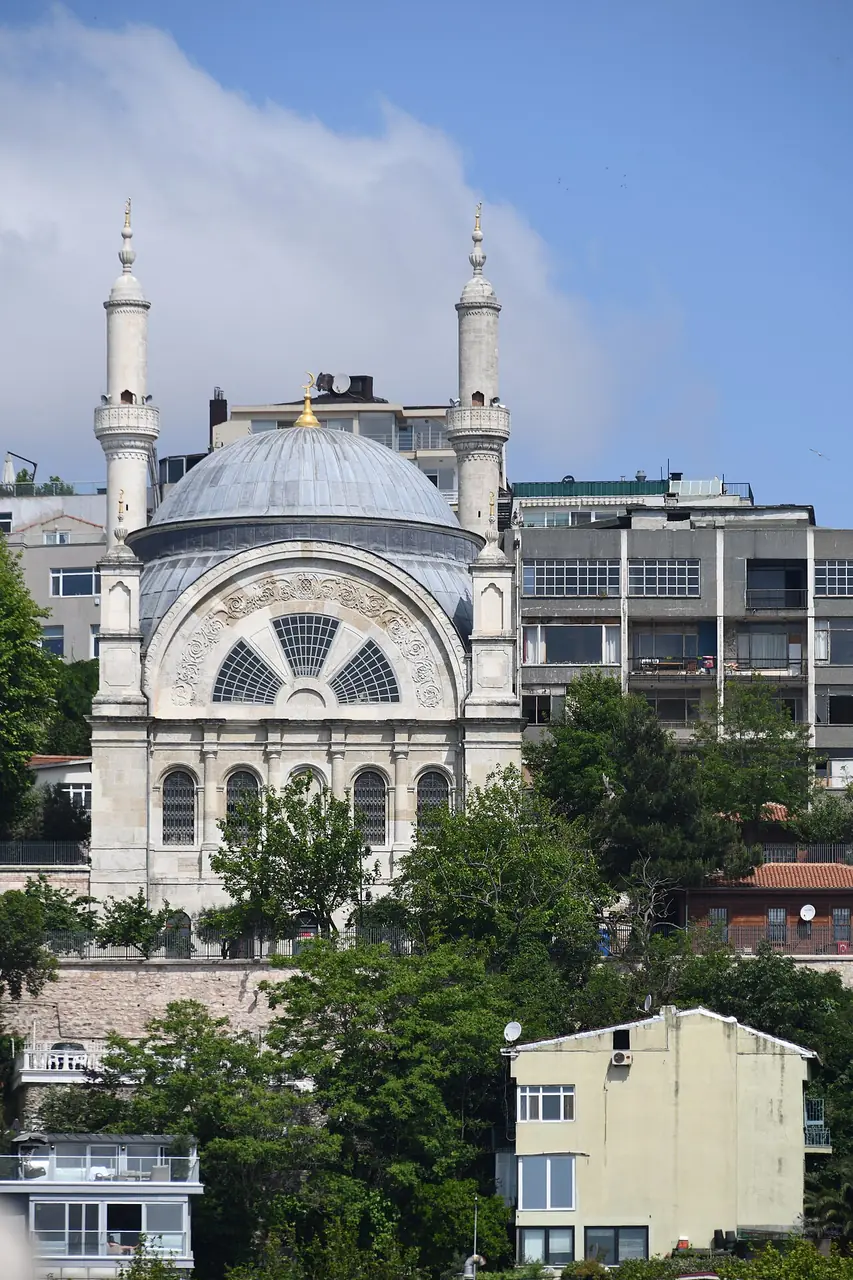
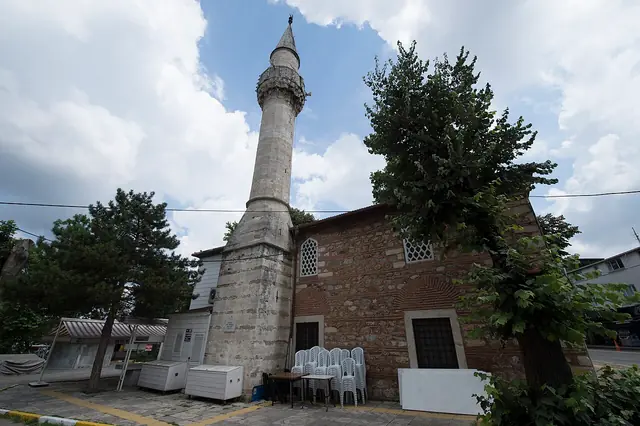
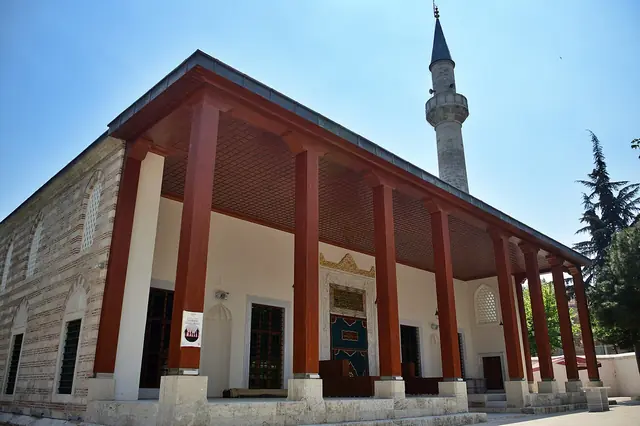
A memorial mosque for a dead prince, standing on one of the most panoramic hilltops in Istanbul — so dominant that the entire surrounding district took its name. The actual visible fabric is not Sinan's, but an 1889 reconstruction under Abdülhamid II that quotes the Mihrimah-Edirnekapı dome-on-four-piers scheme as an homage.
- Minarets
- 1
- Built
- 1559–1560
- Architect
- Mimar Sinan
- Patron
- Süleyman the Magnificent (in memory of Şehzade Cihangir)
- District
- Beyoğlu / Cihangir
History
The Cihangir Mosque was built in 1559 by order of Süleyman the Magnificent as a memorial mosque for his youngest son Şehzade Cihangir (1531–1553), who died in Konya shortly after the execution of his elder half-brother Şehzade Mustafa. The architect was Mimar Sinan, and the first building was made of wood. The entire Beyoğlu quarter where the mosque stands — high above the Bosphorus — takes its name from this prince. The wooden building suffered repeatedly: over its history the mosque burned down five times and was damaged by earthquakes. The present building is the result of a comprehensive reconstruction in 1889 commissioned by Sultan Abdülhamid II; almost nothing survives of Sinan's 1559 original, and the architect of the 1889 replacement is not definitively identified. The mosque gave its name to the bohemian Cihangir district of Istanbul and remains one of its chief vertical landmarks.
Architecture
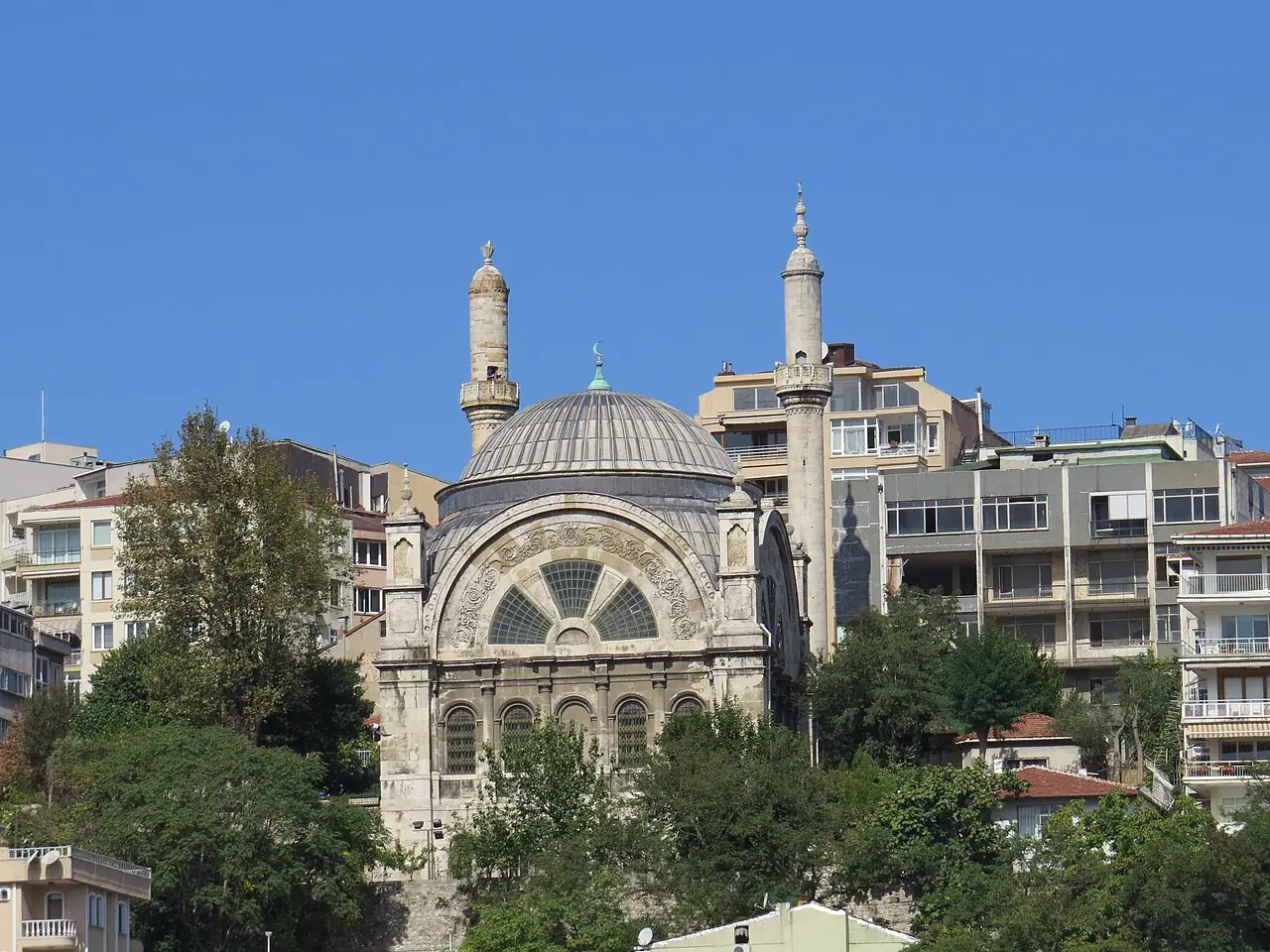
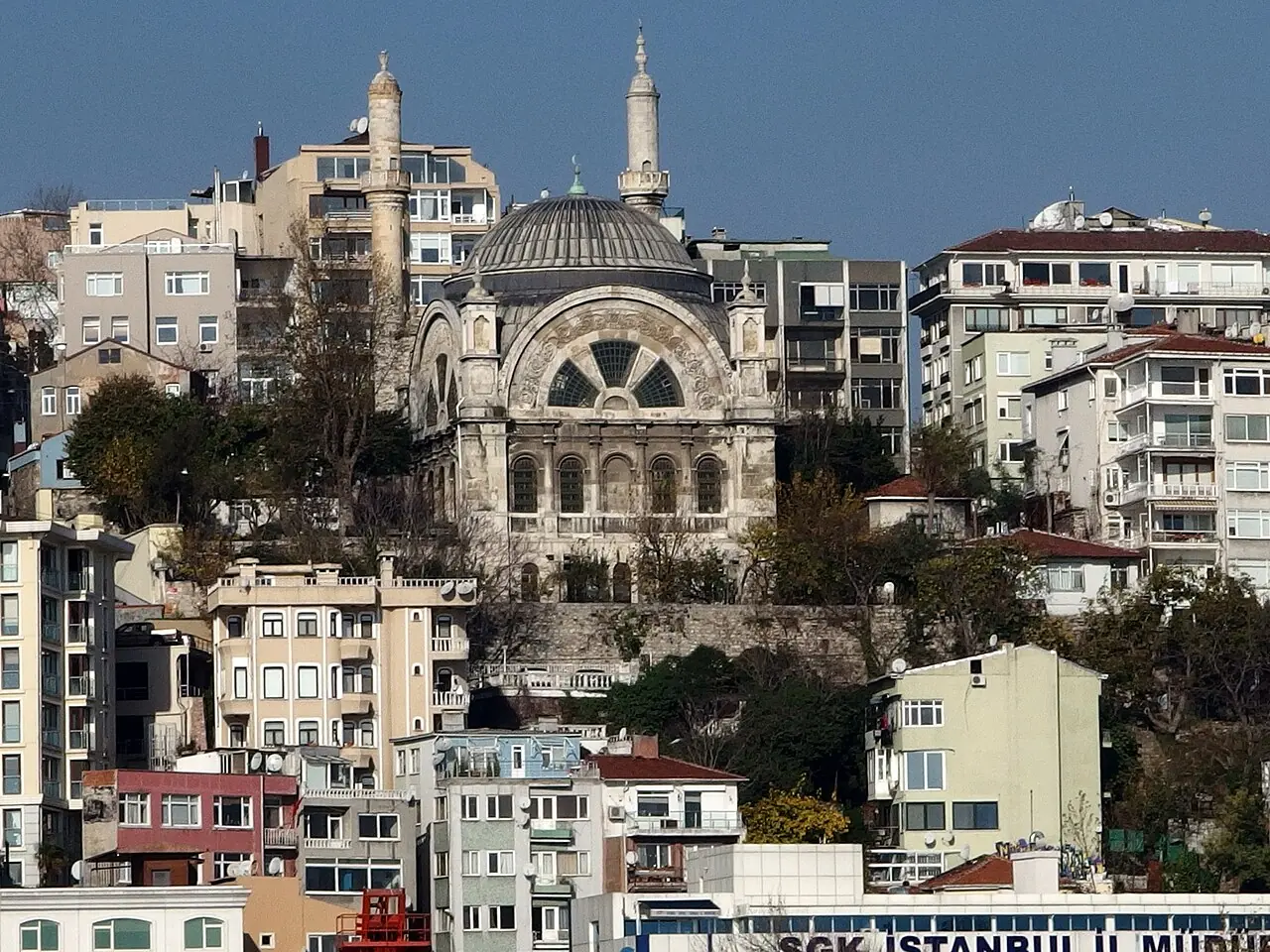
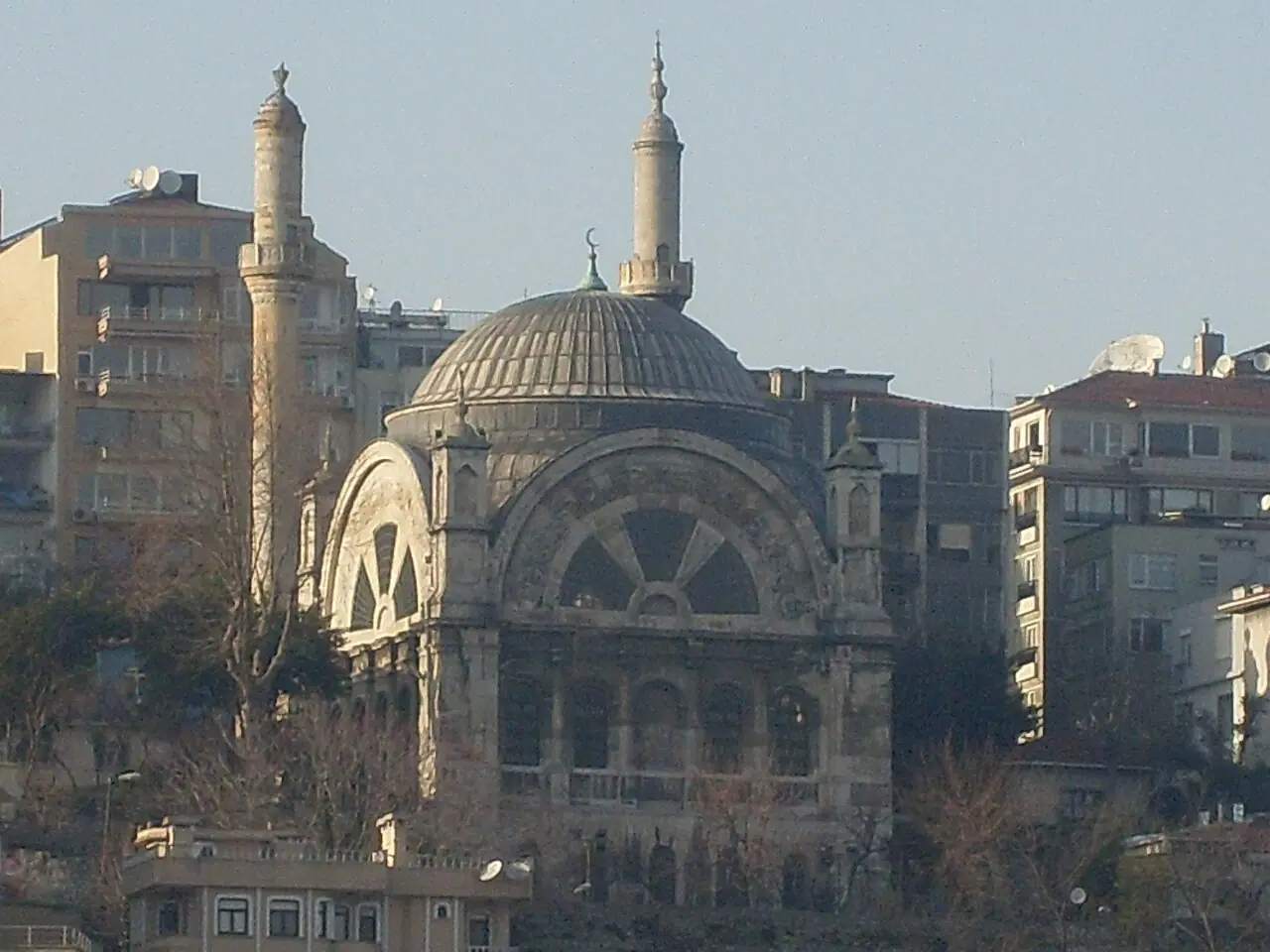
The present (1889) building has a rectangular plan adapted to the strongly sloping site. Its design deliberately echoes one of Sinan's central innovations — the 'dome on four corner piers' scheme first used at Mihrimah Sultan in Edirnekapı (1560s): the non-load-bearing side walls allow large fan-shaped upper windows, giving the interior an unusually luminous quality. Standing on a crest above the Bosphorus, the mosque functions as a visual beacon — a siting logic already present in Sinan's 1559 plan. One minaret. The wooden fabric of the original is entirely lost.
In Sinan's evolution
A commemorative commission of 1559 — between Süleymaniye (completed 1557) and the Mihrimah Edirnekapı experiments of the 1560s. Because the Sinan-era building is lost, it contributes little to the direct architectural record; its importance for the Sinan canon is documentary (tezkerets, archives) and topographic (choice of hilltop as a landmark site).
Sinan Tree →Facts
- The mosque was commissioned by Süleyman I in memory of his 21-year-old son Cihangir, who died in Konya in 1553 shortly after the execution of his elder half-brother Mustafa. en.wikipedia.org
- The entire Beyoğlu district Cihangir takes its name from this mosque, not the reverse. en.wikipedia.org
- The original 1559 building was made of wood; the mosque has burned down five times over its history. islamansiklopedisi.org.tr
- The current building is a reconstruction from 1889, commissioned by Abdülhamid II; essentially nothing of Sinan's fabric survives, and the architect of the 1889 rebuild is unknown. tr.wikipedia.org
- The 1889 rebuild deliberately quotes Sinan's 'dome on four corner piers' invention, first used at Mihrimah Sultan Edirnekapı — an architectural homage to the master's original work. teknevia.com
Photographs
.jpg)

