Late Ottoman / Baroque
Hekimoğlu Ali Pasha Mosque
1734–1735 · Fatih / Davutpaşa
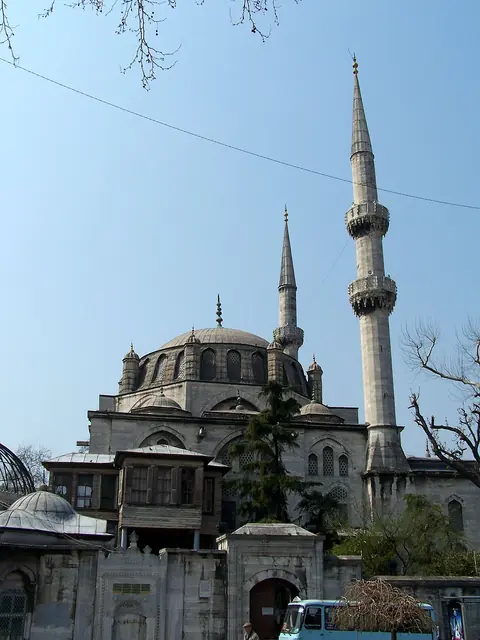
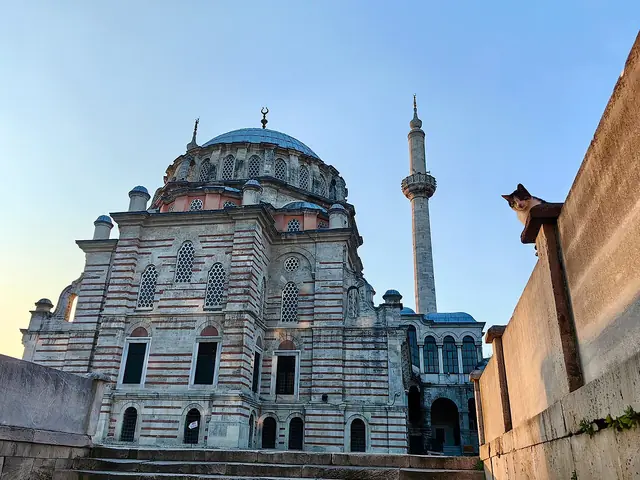
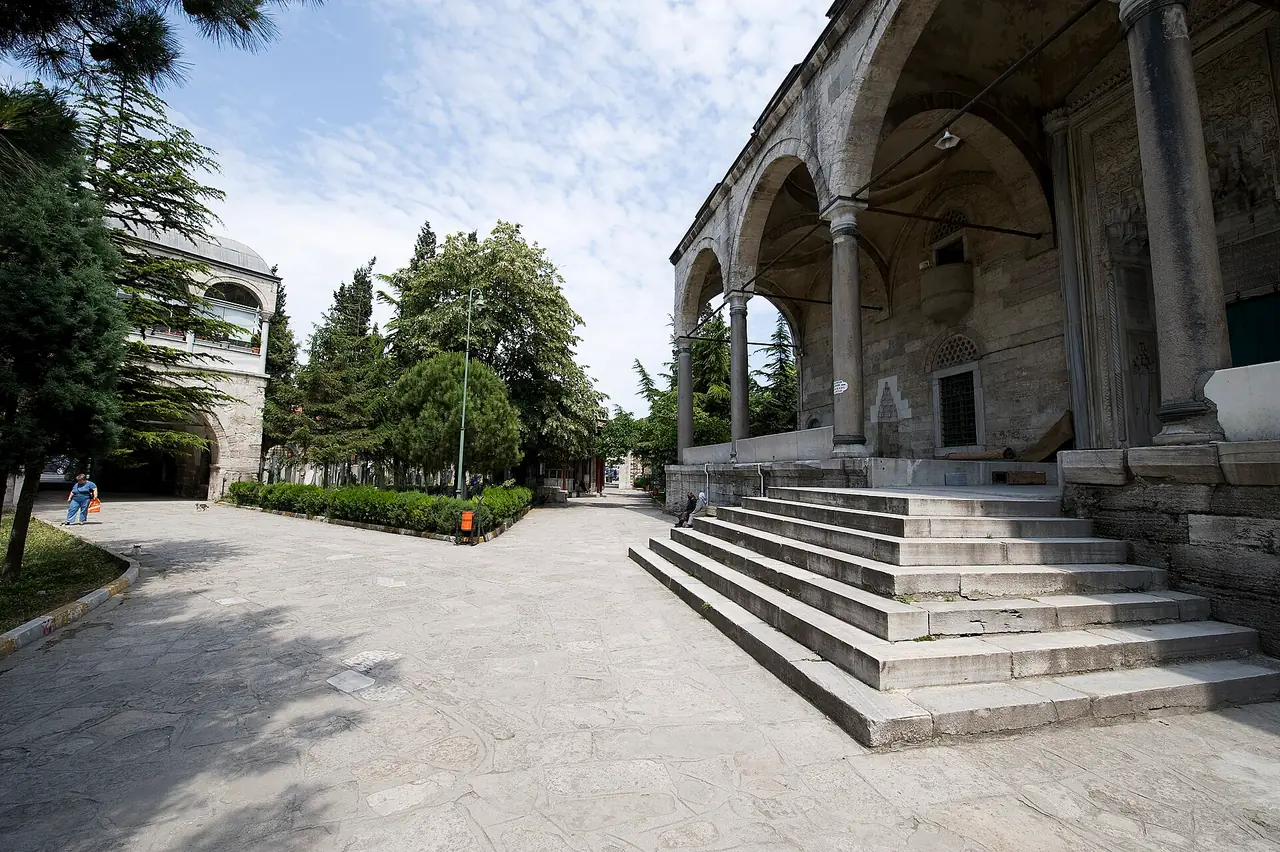
The last major monument of the Classical Ottoman style (1734–1735) and the last 'hexagonal-baldachin' mosque, built on the eve of the Baroque. The core of a large külliye with a library over the main gate and Tekfursaray tiles.
- Minarets
- 1
- Built
- 1734–1735
- Architect
- Çuhadar Ömer Ağa & Hacı Mustafa Ağa
- Patron
- Grand Vizier Hekimoğlu Ali Pasha (nicknamed 'the doctor's son')
- District
- Fatih / Davutpaşa
History
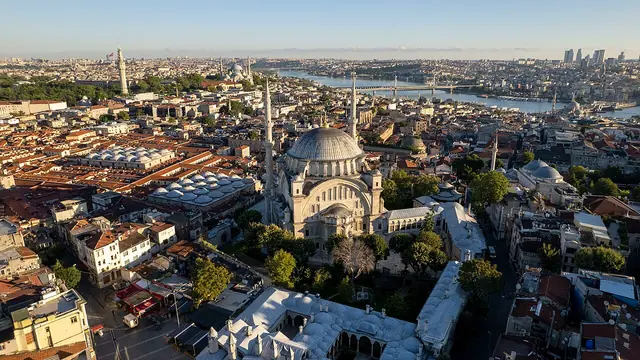
Hekimoğlu Ali Pasha Mosque stands in the Davutpaşa area (Seyyid Ömer quarter) of Fatih. It was built in 1734–1735 by Grand Vizier Hekimoğlu Ali Pasha, who held that office several times in the 1730s–1750s; his epithet 'Hekimoğlu' ('the doctor's son') refers to his father, a celebrated Ottoman physician. Its architects were Çuhadar Ömer Ağa and Hacı Mustafa Ağa. The mosque holds a special place in Ottoman architectural history: it is the last major monument of the Classical Ottoman style, raised at the close of the Tulip Period, just before the Ottoman Baroque took hold in Istanbul in the 1740s (with Nuruosmaniye and after).
Architecture
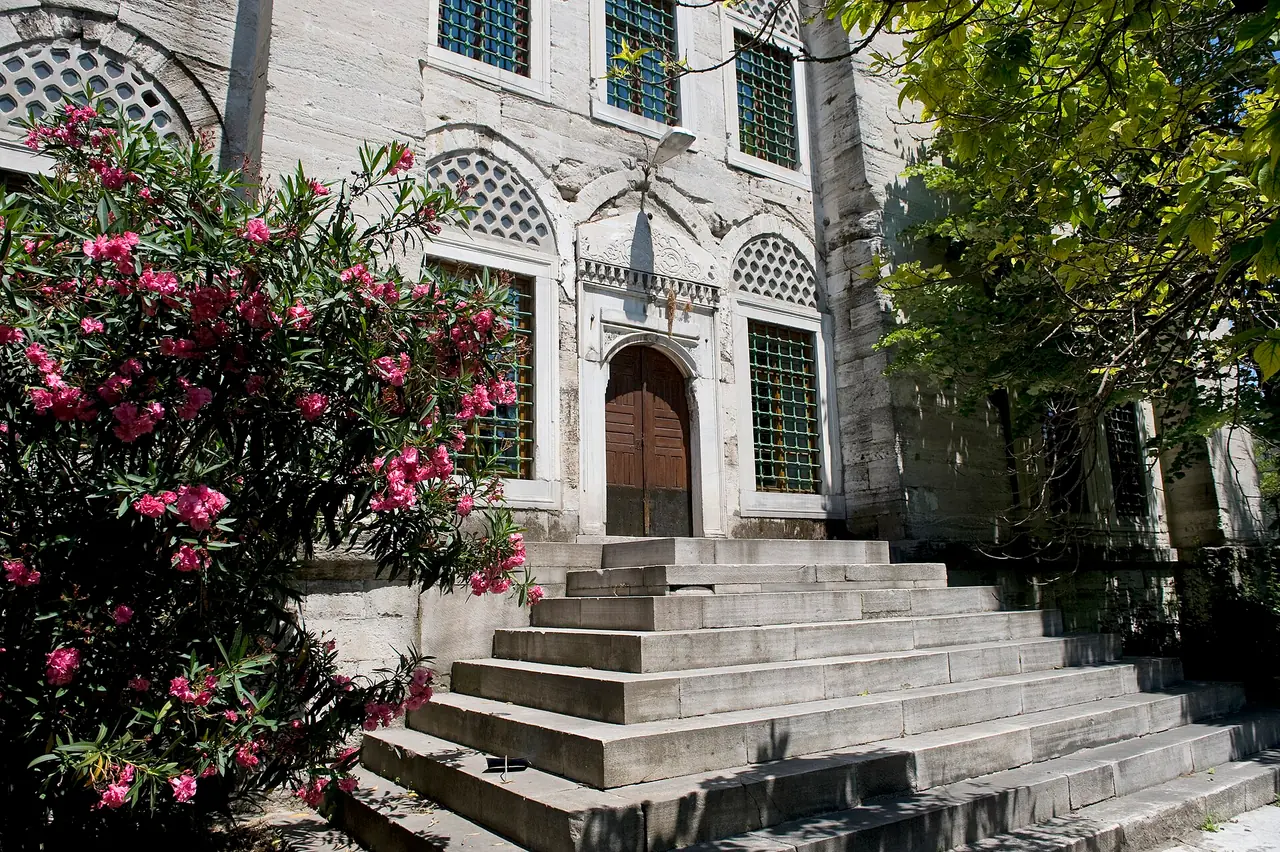
Hekimoğlu Ali Pasha is the last Classical mosque built on the 'hexagonal baldachin' plan: the central dome rests on six piers set in a hexagon, with semi-domes filling the spaces between them. The mosque is the core of a large külliye that includes a tekke (khanqah), the founder's türbe, a şadırvan, a library, a sebil and a primary school; an unusual touch for earlier periods is the library raised above the complex's main gate. The interior is decorated with tiles from the Tekfursaray (Tekfur Palace) kilns, among them a depiction of the Great Mosque of Mecca; the walls are pierced by many windows that flood the hall with light. The founder's tomb, shared with his family, stands in the mosque's courtyard.
Facts
- The last major monument of the Classical Ottoman style — built in 1734–1735 at the close of the Tulip Period, before the rise of the Ottoman Baroque in the 1740s. en.wikipedia.org
- The last Classical mosque to use the 'hexagonal baldachin' plan: a central dome on six piers with semi-domes between them. en.wikipedia.org
- Commissioned by Grand Vizier Hekimoğlu Ali Pasha, whose nickname 'the doctor's son' refers to his physician father; the architects were Çuhadar Ömer Ağa and Hacı Mustafa Ağa. en.wikipedia.org
- The core of a large külliye: a tekke, türbe, şadırvan, library, sebil and primary school; the library is raised above the main gate — unusual for earlier periods. en.wikipedia.org
- The interior is decorated with Tekfursaray-kiln tiles, including one depicting the Great Mosque of Mecca. en.wikipedia.org
Photographs