Late Ottoman / Baroque
Yeni Valide Mosque (Üsküdar)
1708–1710 · Üsküdar
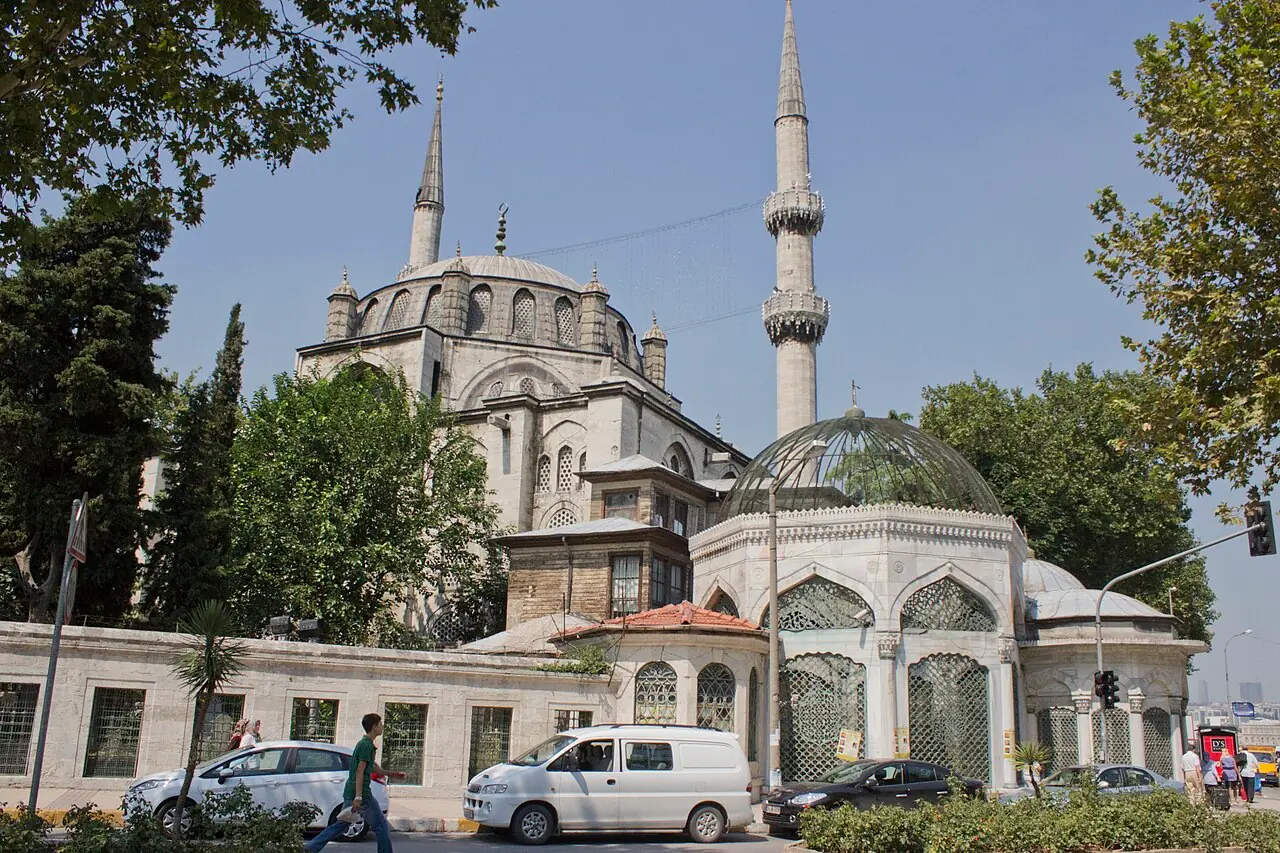
A Tulip-period mosque (1708–10) by the Üsküdar ferry square. Its jewel is the sky-open ‘cage’ tomb of Gülnuş Emetullah beneath an openwork bronze grille.
- Minarets
- 2
- Built
- 1708–1710
- Architect
- Architect unknown
- Patron
- Sultan Ahmed III, for his mother Gülnuş Emetullah Valide Sultan
- District
- Üsküdar
History
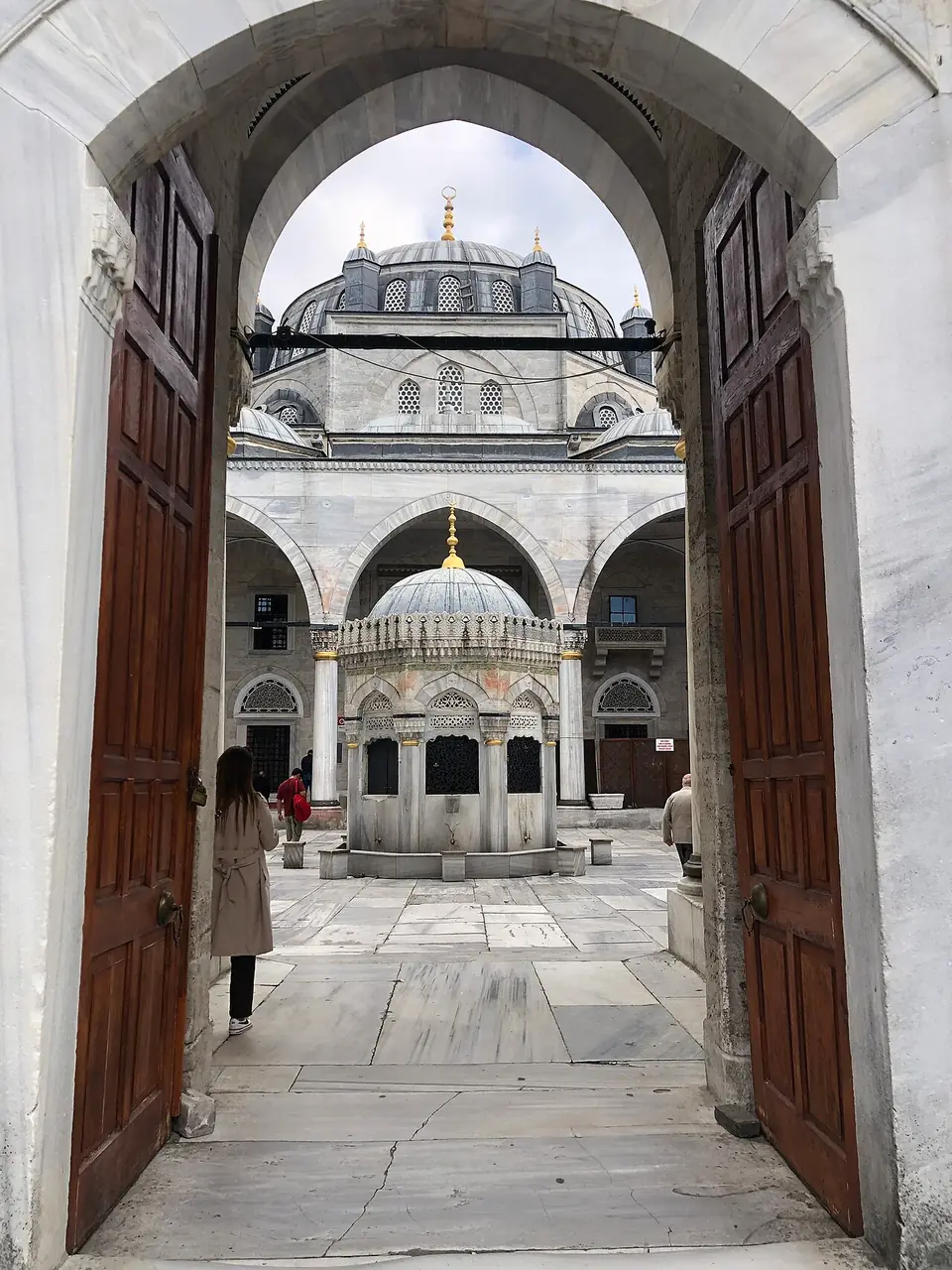
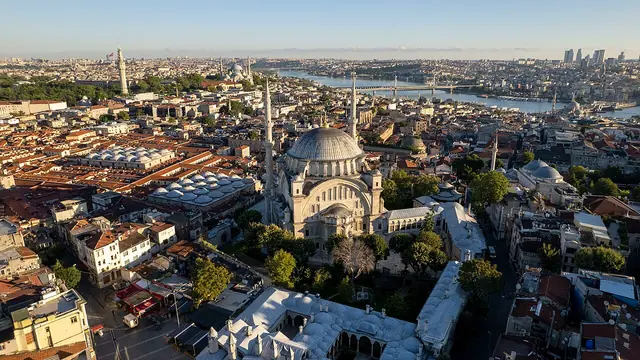
The Yeni Valide Mosque stands by the ferry square in Üsküdar, on the Asian shore. It was built by Sultan Ahmed III in honour of his mother, Gülnuş Emetullah Valide Sultan: the foundation was laid on 7 November 1708, and the mosque was completed in 1710 (some sources give 1711). It is a monument of the Tulip Period (Lale Devri) and one of its most important examples — a transitional link between the classicism of Sinan's school and the emerging Baroque. Gülnuş Emetullah served for some twenty years as valide sultan under her sons Mustafa II and Ahmed III; she died in 1715 and is buried in the complex's tomb. It should not be confused with the Yeni Cami in Eminönü (the other shore, a different era).
Architecture
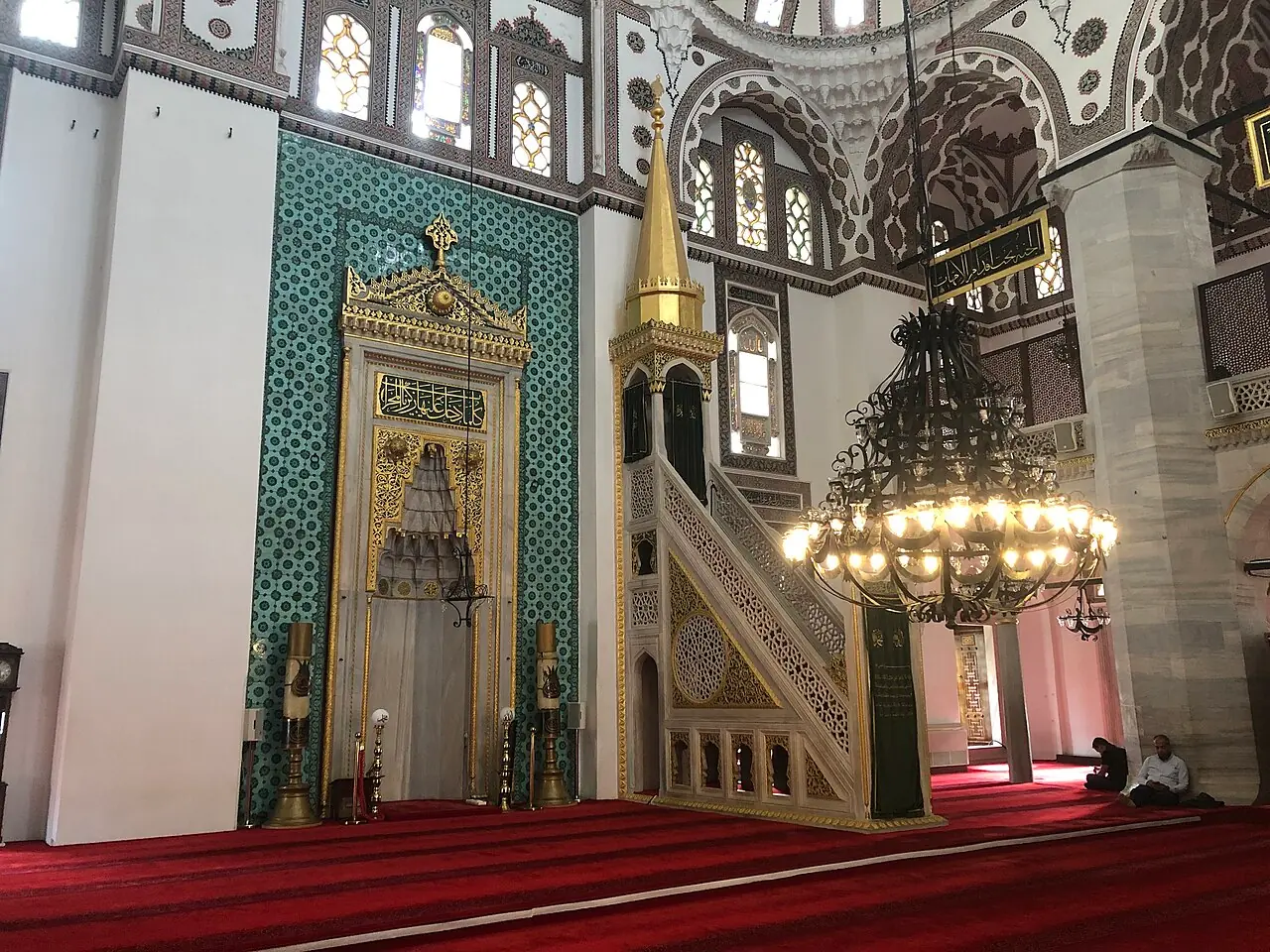
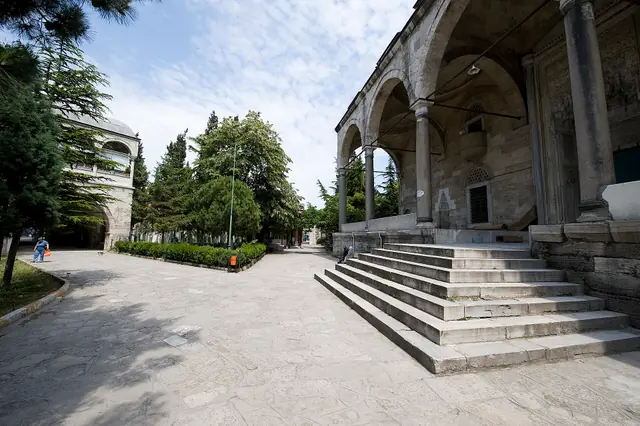
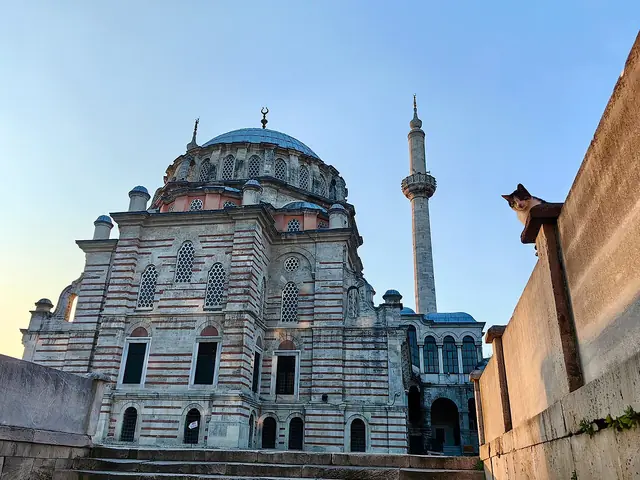
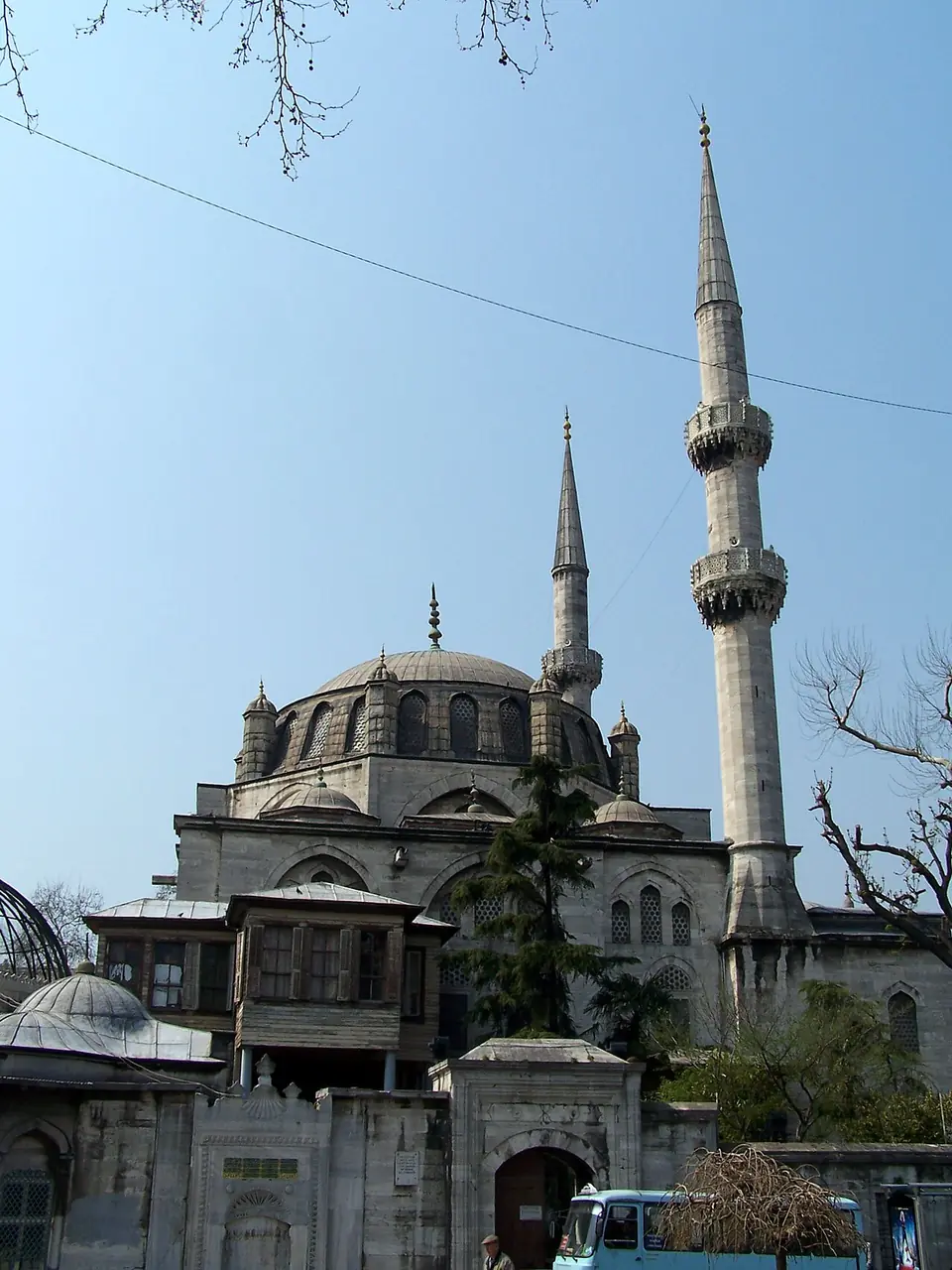
A flattened central dome on an octagonal base, carried on four half-domes, rises over a square prayer hall; the mosque has two minarets. Its chief attraction is the open 'cage' tomb (şebeke türbe) of Gülnuş Emetullah: an octagonal marble mausoleum without a roof, closed only by an openwork bronze grille and so left open to the sky and rain, with greenery growing inside. The complex is a full külliye: besides the mosque it includes a royal pavilion, an imaret, a covered market (arasta), a primary school, a sebil and fountains, and a timekeeper's house. The transitional-style decoration combines a marble, tiled mihrab with a muqarnas frieze at the base of the dome.
Facts
- Built in 1708–1710 under Sultan Ahmed III, the 'Tulip Era' sultan. en.wikipedia.org
- Commissioned by Ahmed III in honour of his mother, Gülnuş Emetullah Valide Sultan. uskudar.bel.tr
- The open 'cage' tomb of Gülnuş Emetullah is closed only by an openwork bronze grille and left open to the sky. en.wikipedia.org
- The complex is a full külliye: mosque, royal pavilion, imaret, arasta, school, sebil and fountains. islamansiklopedisi.org.tr
- Its style is described as a bridge from Sinan's classicism to the Baroque, characteristic of the Tulip Period. dailysabah.com
Photographs