Late Ottoman / Baroque
Laleli Mosque
1760–1764 · Fatih / Laleli
The last great sultanic külliye in Istanbul (Mustafa III, 1760–64). Ottoman Baroque that brings back semi-domes around an eight-pier dome, raised on a vaulted market basement whose shop rents endowed the foundation; tombs of Mustafa III and Selim III.
- Dome
- 12.5 m
- Height
- 24.5 m
- Minarets
- 2
- Built
- 1760–1764
- Architect
- Mehmed Tahir Agha
- Patron
- Mustafa III
- District
- Fatih / Laleli
History
The Laleli Mosque ('the Tulip Mosque') was commissioned by Sultan Mustafa III and built between 1760 and 1764 — the last great sultanic külliye raised in Istanbul. Construction began on 5 April 1760 and finished on 9 March 1764; the court architect was Mehmed Tahir Ağa. Laleli continues the Ottoman Baroque line opened a decade earlier by Nuruosmaniye, but reintroduces the classical motif of semi-domes. The complex was conceived not only as a place of worship but as the economic heart of its quarter: a vaulted sub-structure of shops (the Taht el-Kale) runs beneath the mosque, its revenues endowing the foundation. The ensemble included a madrasa, imaret, sebil, fountains, a caravanserai, and the tomb where Mustafa III and his son Selim III are buried.
Architecture
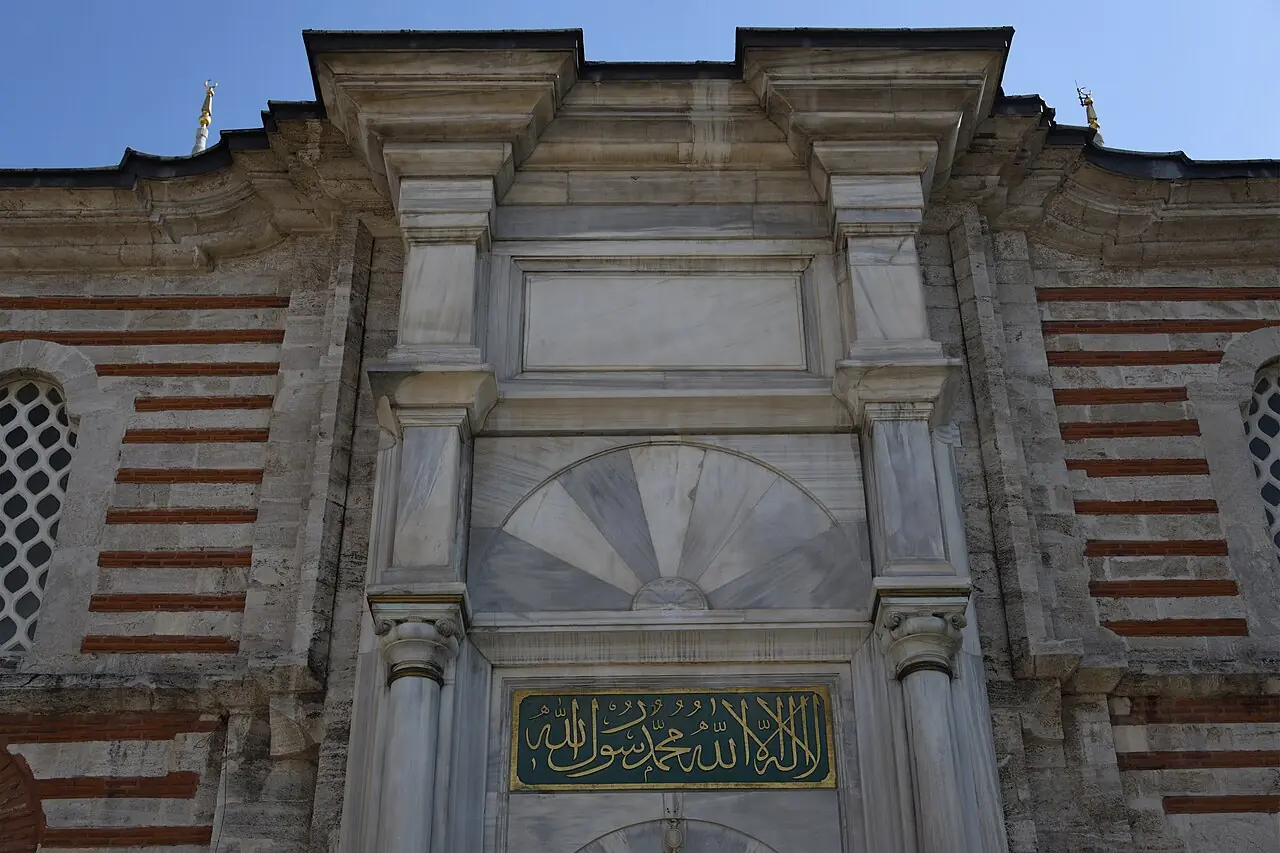
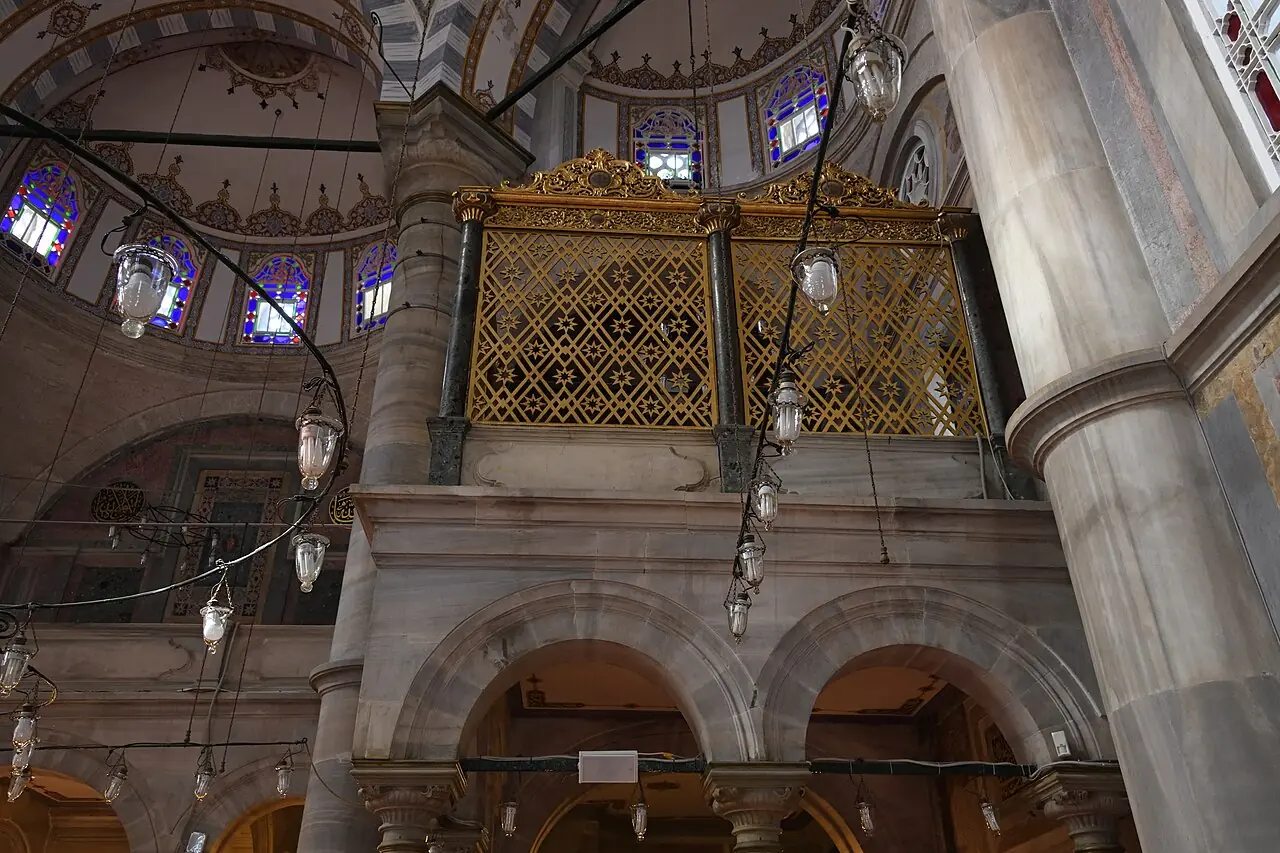
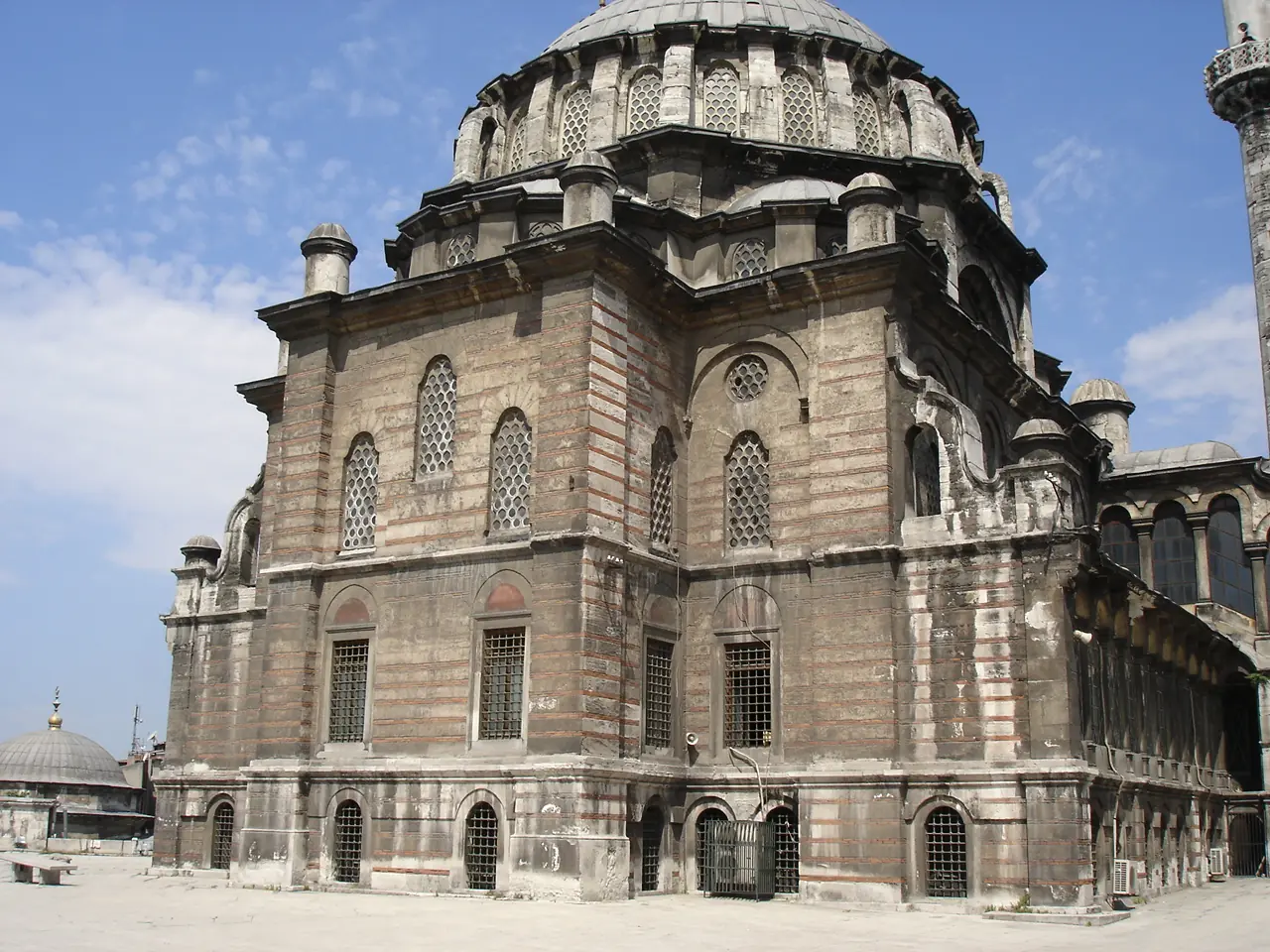
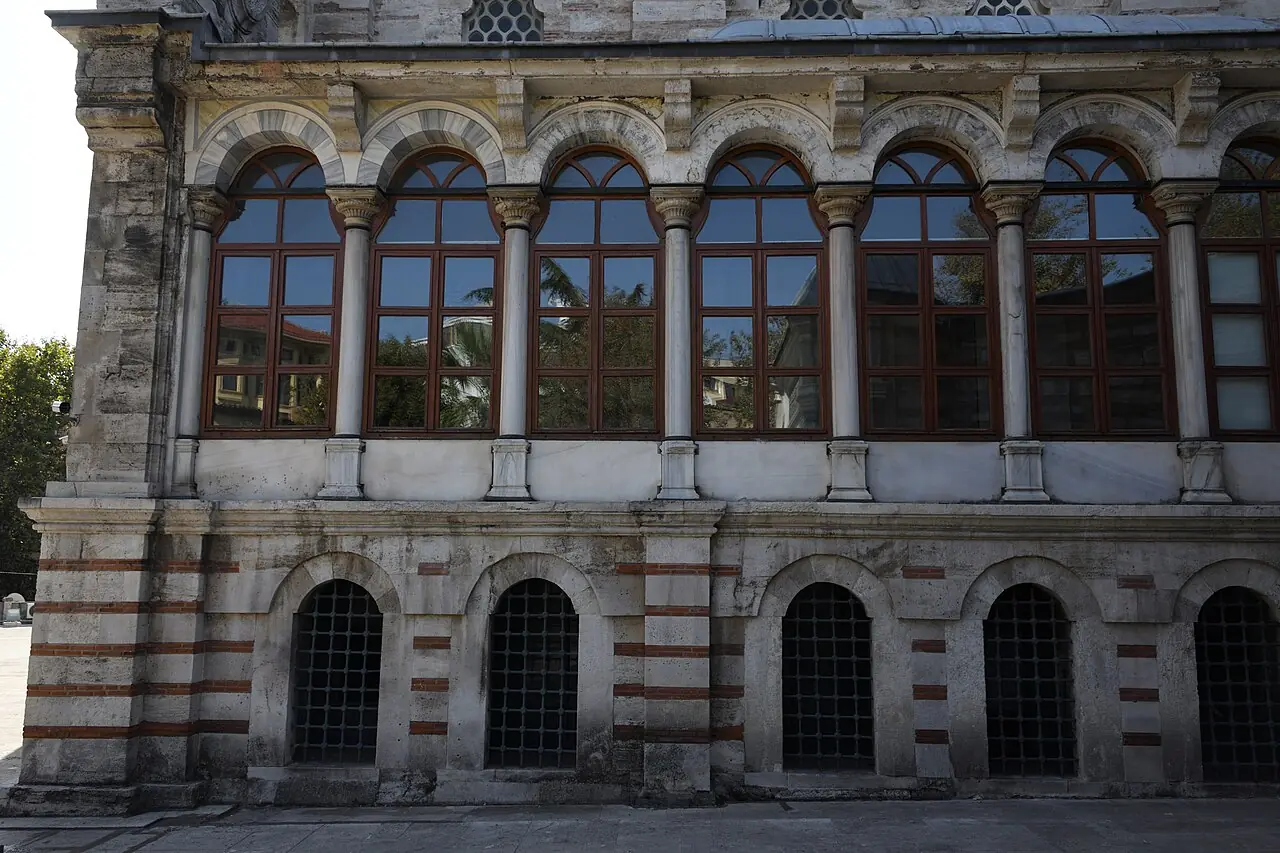
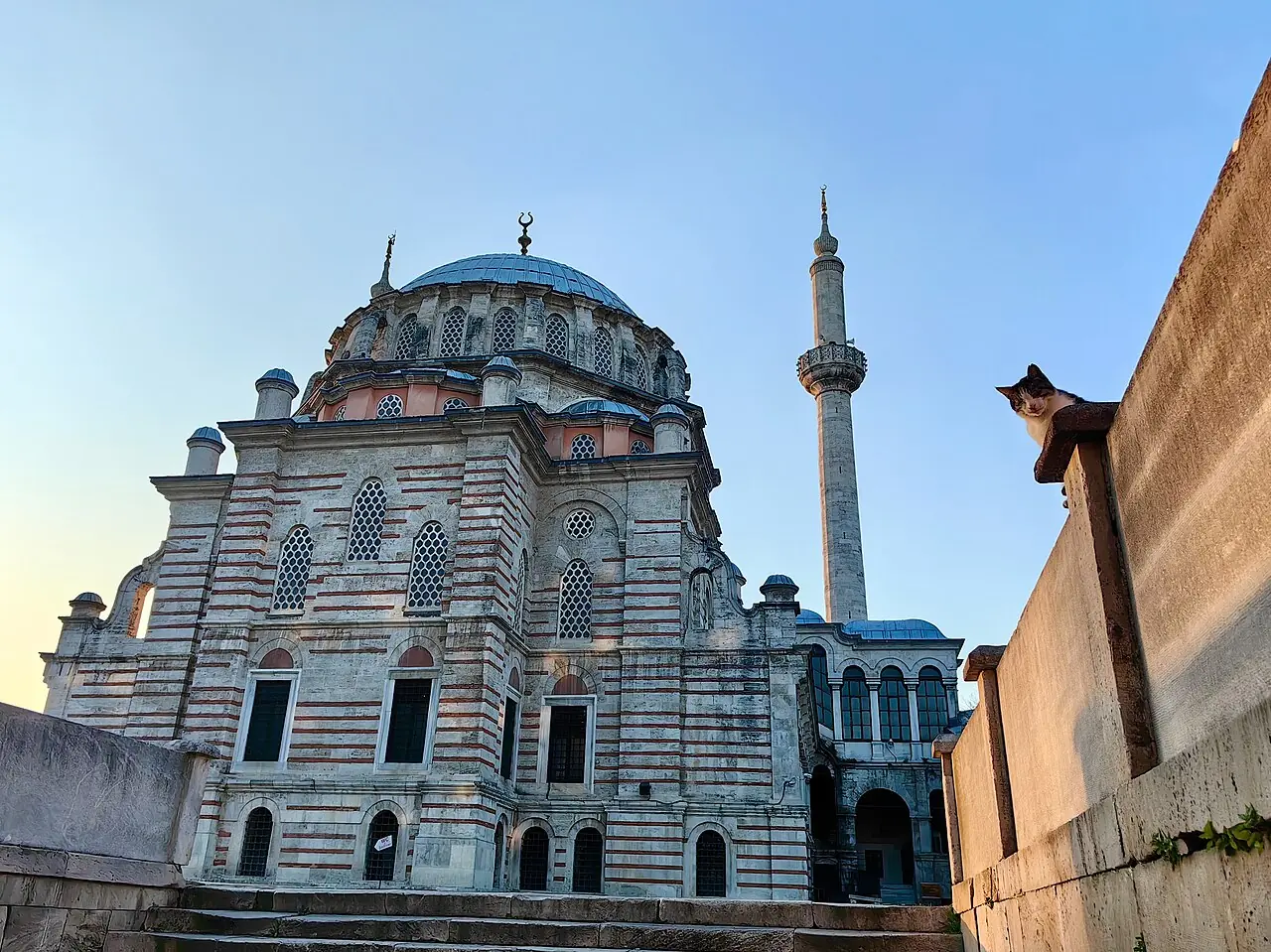
The central dome, about 12.5 m in diameter (vault rising some 24.5 m), is carried on eight piers and flanked by two semi-domes, giving the interior a sense of openness and light — unlike Nuruosmaniye's domeless-on-walls scheme. Two minarets. The Baroque vocabulary shows in curved cornices, round-headed arches, carved capitals, and rich play of light and shade across the façades, while the plan keeps the traditional Ottoman logic of a central space. Laleli's signature is its elevation on a high market basement: the prayer hall sits above a vaulted hall of shops, with stairs leading up to the courtyard. The interior is faced with coloured marble and porphyry drawn from across the empire's provinces.
Facts
- The last great sultanic külliye built in Istanbul. dailysabah.com
- Commissioned by Mustafa III; built from 5 April 1760 to 9 March 1764. en.wikipedia.org
- The architect was the court builder Mehmed Tahir Ağa. en.wikipedia.org
- The central dome is carried on eight piers and flanked by two semi-domes — Baroque within a classical spatial logic. en.wikipedia.org
- Continues the Ottoman Baroque opened by Nuruosmaniye a decade earlier. archnet.org
Photographs