Sinan / Classical
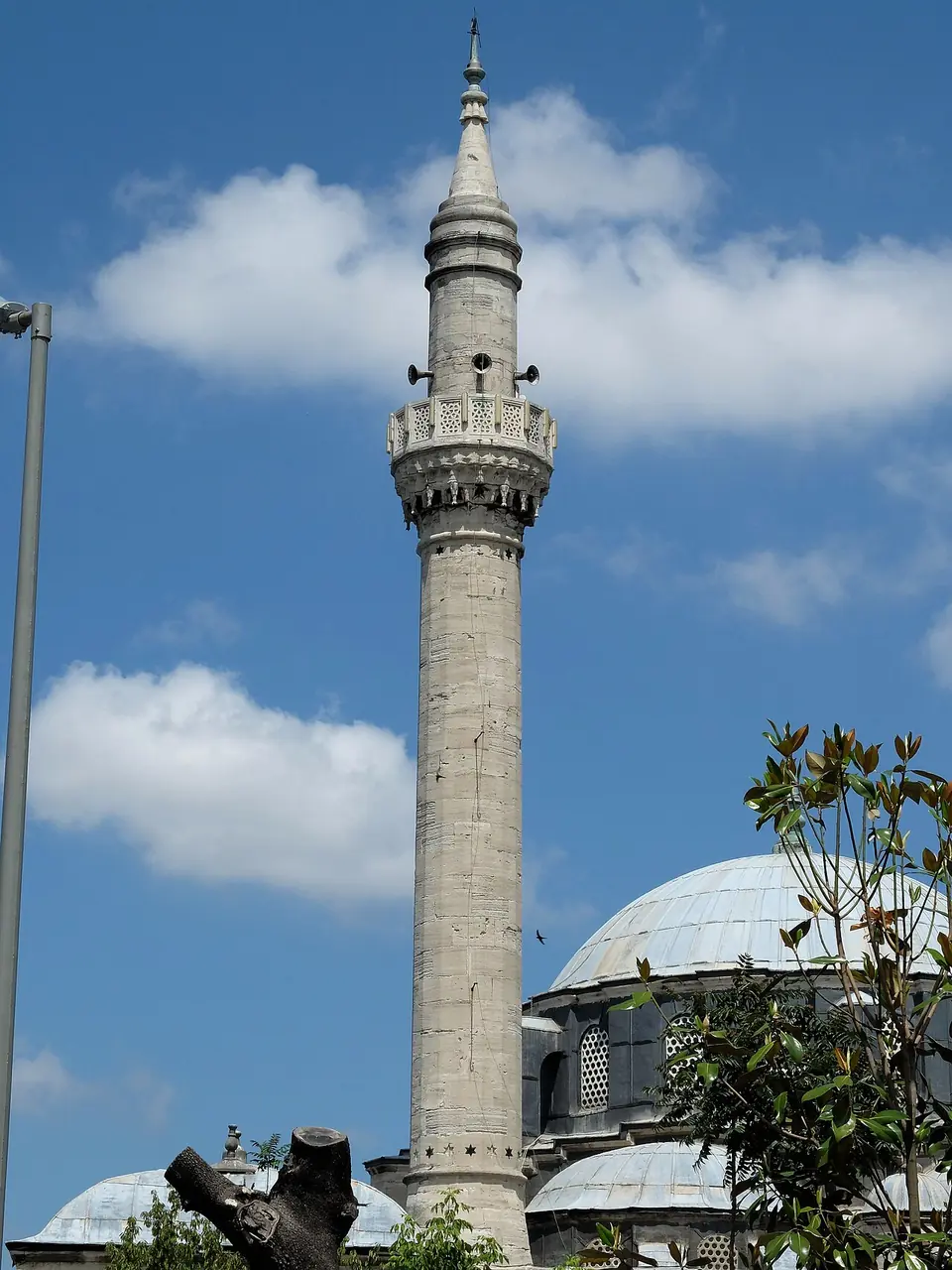
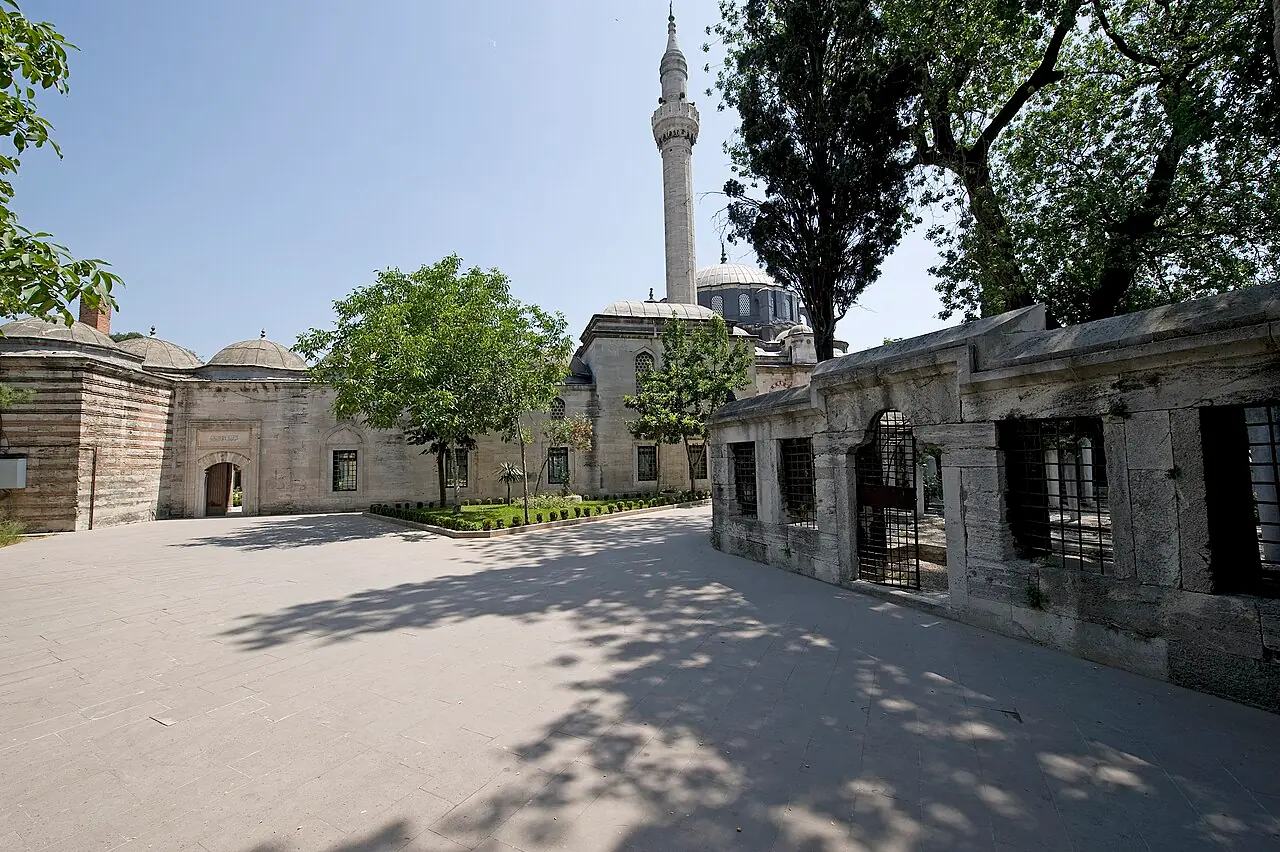
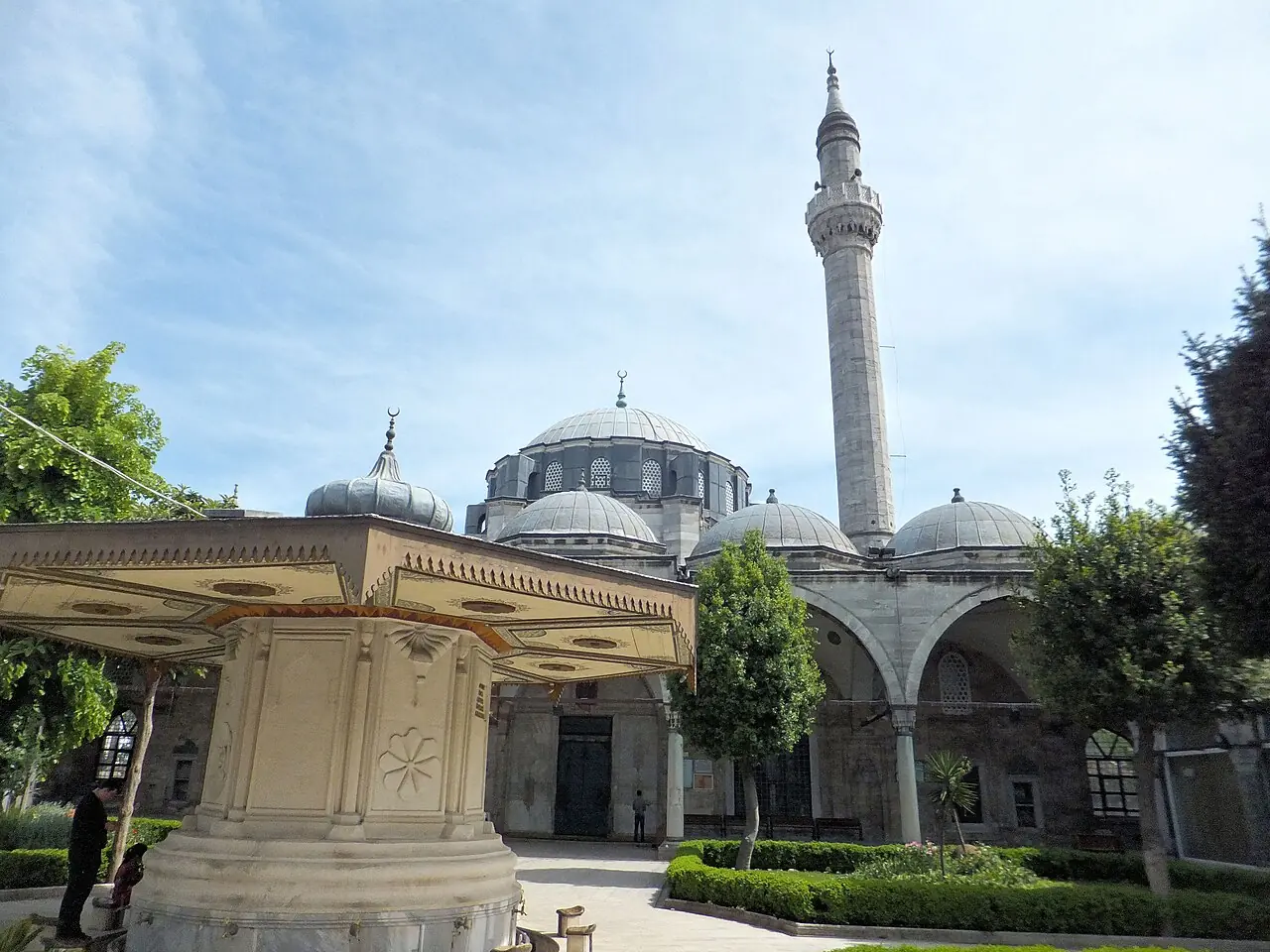
Kara Ahmed Pasha Mosque
1565–1572 · Fatih / Topkapı quarter
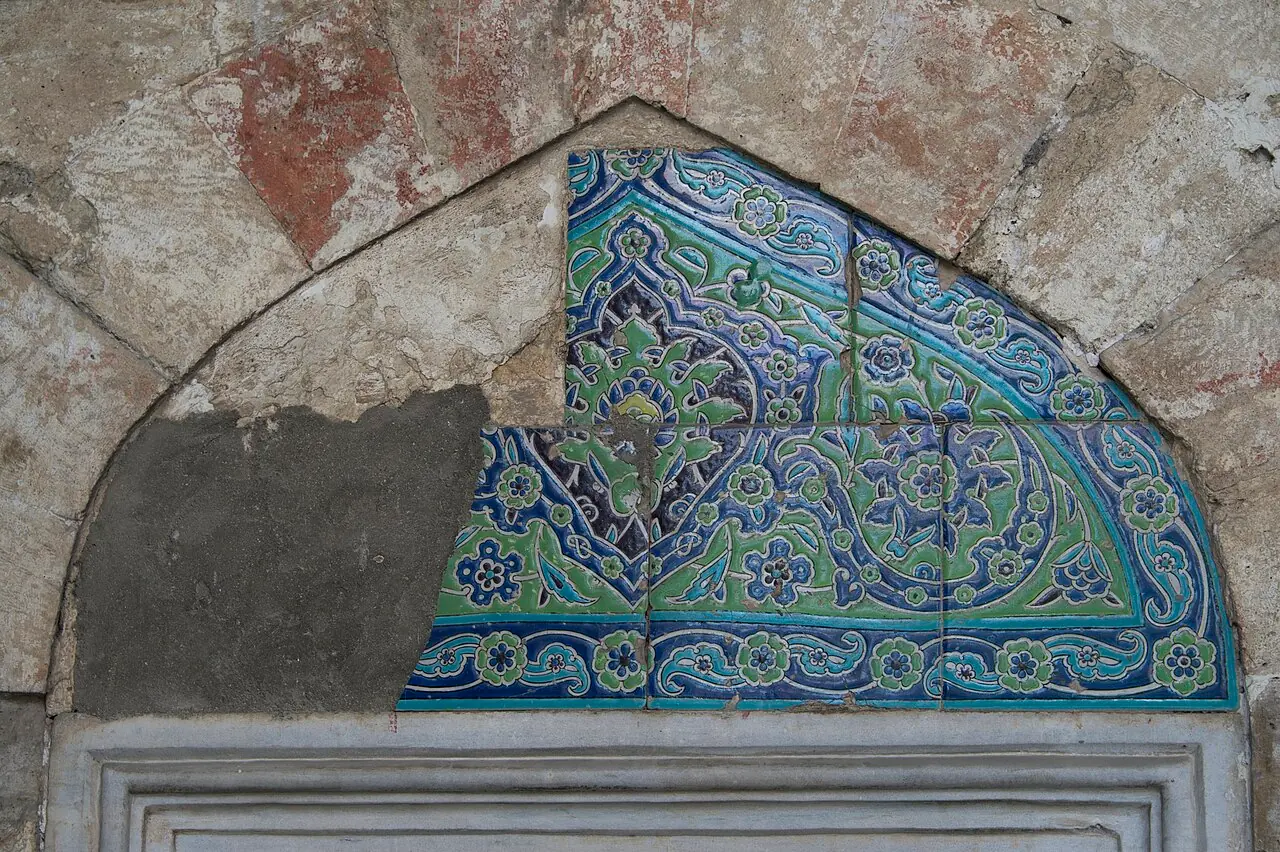
Last imperial building in Istanbul decorated with cuerda seca tilework (apple-green and yellow on the porch), and the dramatic posthumous biography of its patron: a Grand Vizier who was Suleiman's brother-in-law, executed in 1555, exonerated a decade later, and memorialised in a mosque begun ten years after his death.
- Dome
- 12 m
- Minarets
- 1
- Built
- 1565–1572
- Architect
- Mimar Sinan
- Patron
- Kara Ahmed Pasha
- District
- Fatih / Topkapı quarter
History
The mosque was commissioned by Kara Ahmed Pasha, who was married to Fatma Sultan — daughter of Selim I and thus the sister of Suleiman the Magnificent, making the patron Suleiman's brother-in-law. Kara Ahmed Pasha was appointed Grand Vizier in 1553 but was executed by strangulation in 1555, likely at the instigation of his rival Rüstem Pasha. The mosque was reportedly planned around 1555 but was only constructed between 1565 and 1572 after the pasha's posthumous exoneration. The complex included a mosque, madrasa, dervish convent (zawiye), hospice (tabhane), and primary school (mekteb).
Architecture
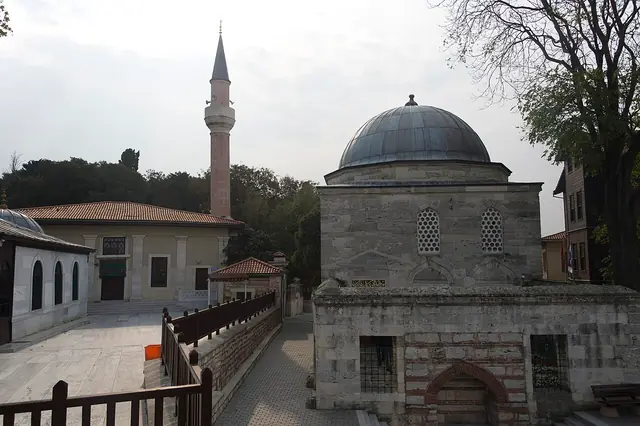
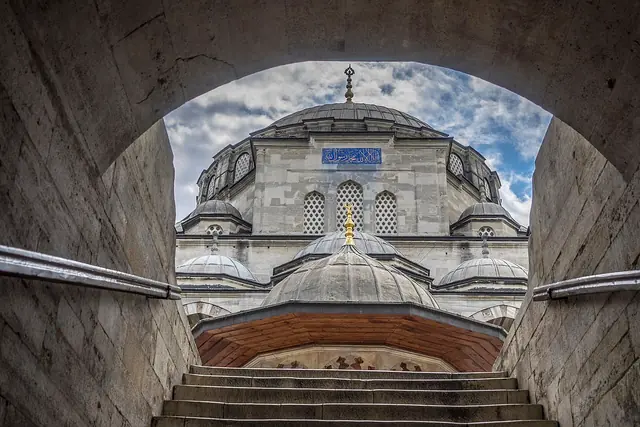
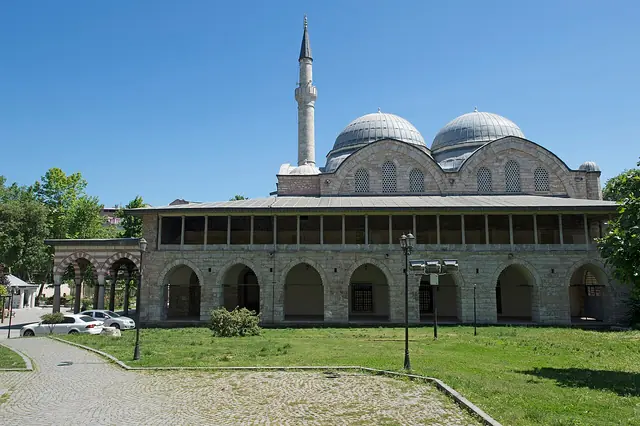
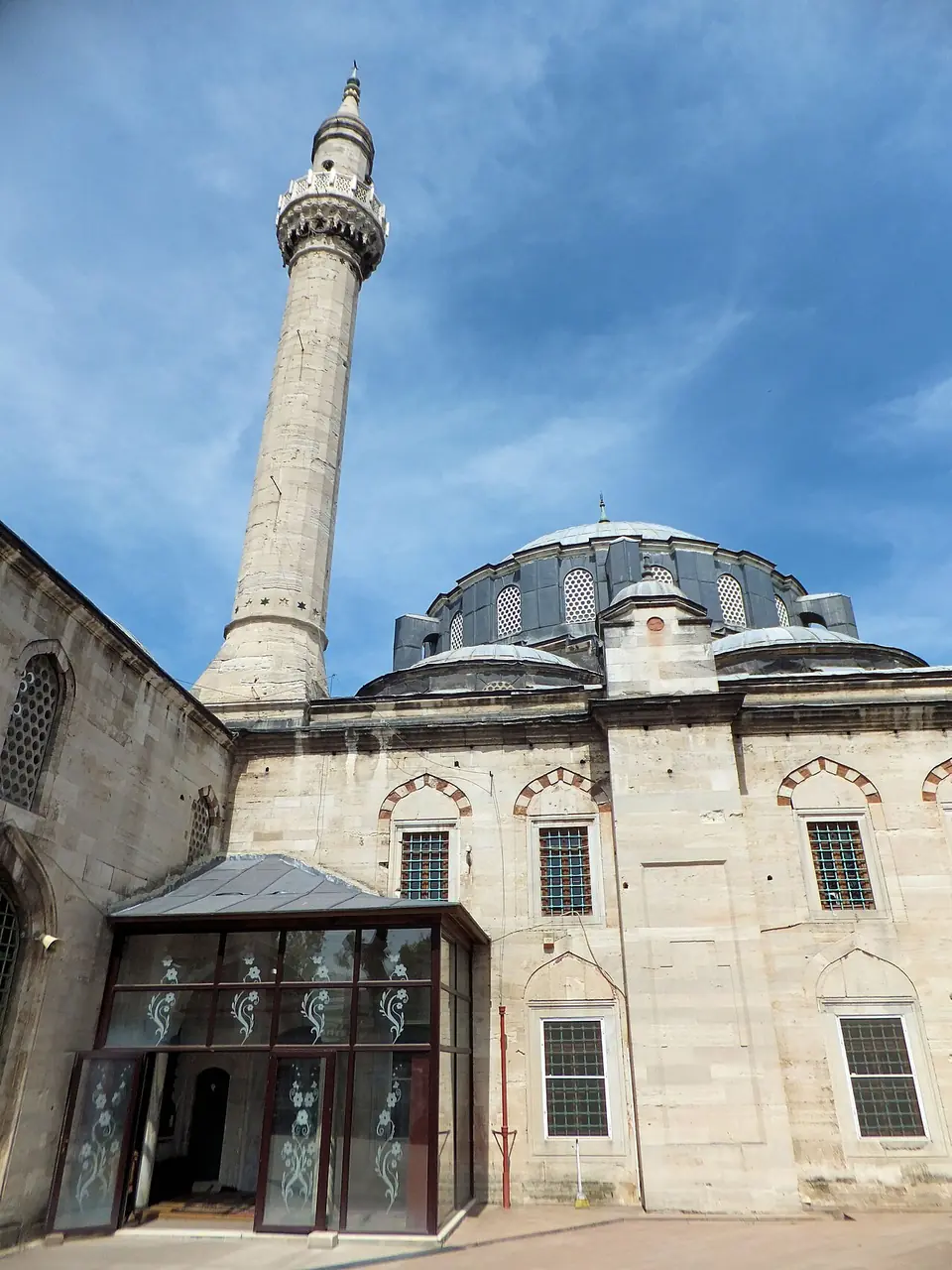
The prayer hall is a rectangle with a central dome of 12 m diameter supported by six red Egyptian granite columns arranged in a hexagonal bay. To the east and west, two semidomes cover the spaces between the hexagonal bay and the outer walls. Three galleries line the interior; the wooden ceiling under the west gallery is elaborately painted in red, blue, gold, and black. Numerous windows in the dome drum and on all four walls illuminate the space generously. The mosque is the last imperial building in Istanbul to be decorated with cuerda seca tilework: apple-green and yellow tiles grace the porch; blue and white tiles line the east wall of the prayer hall.
In Sinan's evolution
Middle career (1565–72). The hexagonal-bay plan with six free-standing columns and flanking semidomes represents a more elaborate development of the hexagonal baldaquin type Sinan first used at Sinan Pasha Beşiktaş (1555). The addition of semidomes east and west moves toward the cruciform dome compositions of his mature period.
Sinan Tree →Facts
- The mosque is the last imperial building in Istanbul decorated with cuerda seca tilework — an encaustic technique in which colored slips are separated by raised ridges, predating the underglaze-painted İznik technique that became dominant. en.wikipedia.org
- The six dome-bearing columns are of red Egyptian granite — imported prestige stone, signaling the building's quasi-imperial status. en.wikipedia.org
- Kara Ahmed Pasha, as husband of Fatma Sultan (daughter of Selim I), was the brother-in-law of Suleiman the Magnificent — among the very few Grand Viziers bound by such close kinship to the reigning sultan. en.wikipedia.org
- The mosque was built posthumously in 1565–72 following the patron's exoneration — one of the rare cases in Ottoman architecture where a mosque became a memorial to an executed patron. alchetron.com
Photographs