Sinan / Classical
Merkez Efendi Mosque (Zeytinburnu)
1552–1572 · Zeytinburnu / Merkezefendi
Small timber-hipped-roof dervish tevhidhane anchoring one of Istanbul's most complete surviving Halveti-Sümbüliye külliyes (mosque, türbe, çilehane, dervish cells, imaret, hamam, library, cemeteries) — built by Sinan around the tomb of the physician-sheikh who invented mesir macunu.
- Minarets
- 1
- Built
- 1552–1572
- Architect
- Mimar Sinan
- Patron
- Şah Sultan, sister of Suleiman the Magnificent (daughter of Selim I)
- District
- Zeytinburnu / Merkezefendi
History
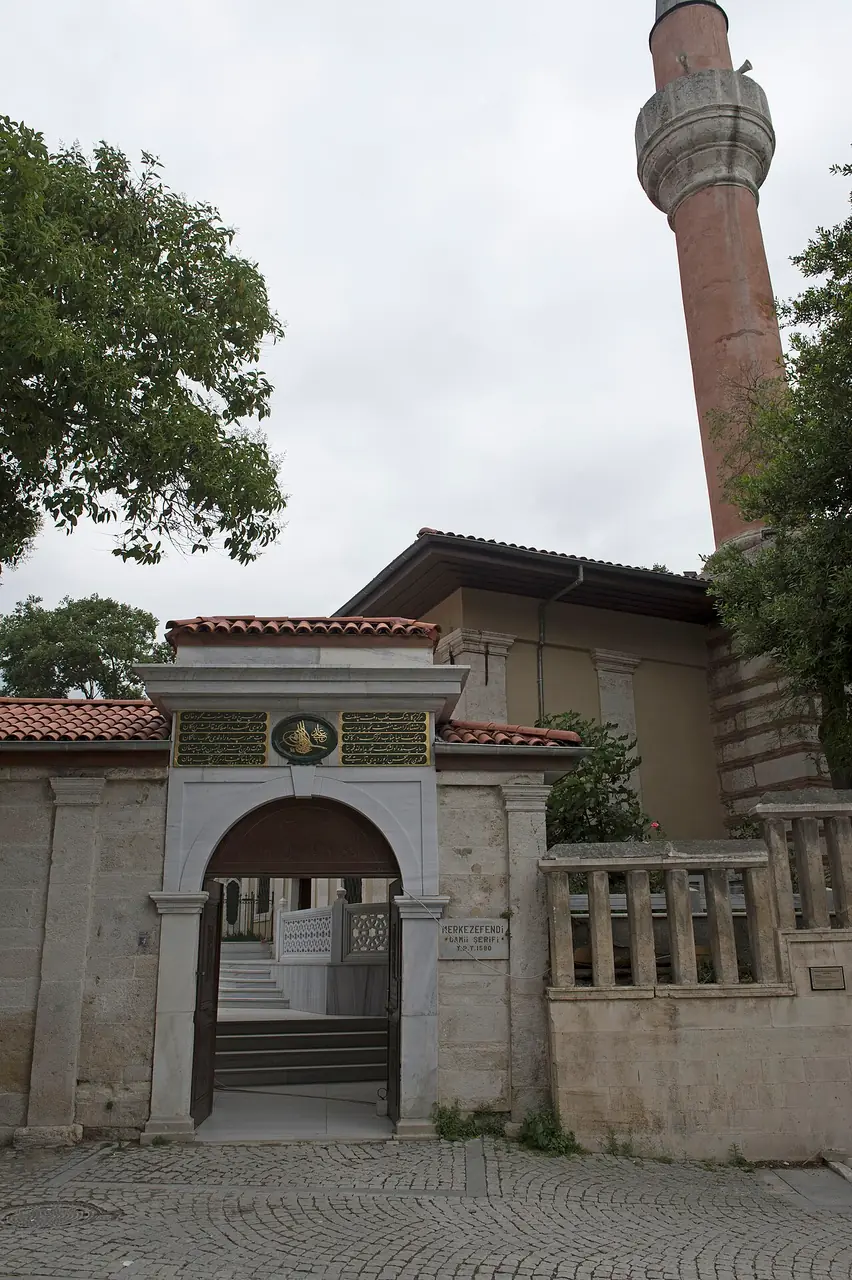
The Merkez Efendi Mosque sits in the Zeytinburnu district just outside the Edirnekapı land walls and anchors the Merkez Efendi külliye, which grew around the tomb of Sheikh Musa bin Muslihiddin (1463–1552), popularly known as Merkez Efendi — a caliph of Sünbül Efendi and head sheikh of the Sümbüliye branch of the Halveti order. A tekke founded here by his followers was rebuilt by Mimar Sinan for Şah Sultan (daughter of Selim I, sister of Suleiman the Magnificent) between 1552 and 1572 — after the sheikh's own death. An inscription above the courtyard gate carries the dates 1514 and 1580, marking an earlier phase of the lodge and a second restoration. In 1837 Sultan Mahmud II carried out a large-scale renovation. After the 1925 closure of the tekkes the building continued in use as a parish mosque; further restorations were completed in 1965 and in 2010–2013 by Zeytinburnu Municipality. Merkez Efendi is also famous as the inventor of mesir macunu, a 41-ingredient medicinal paste credited with curing Hafsa Sultan.
Architecture
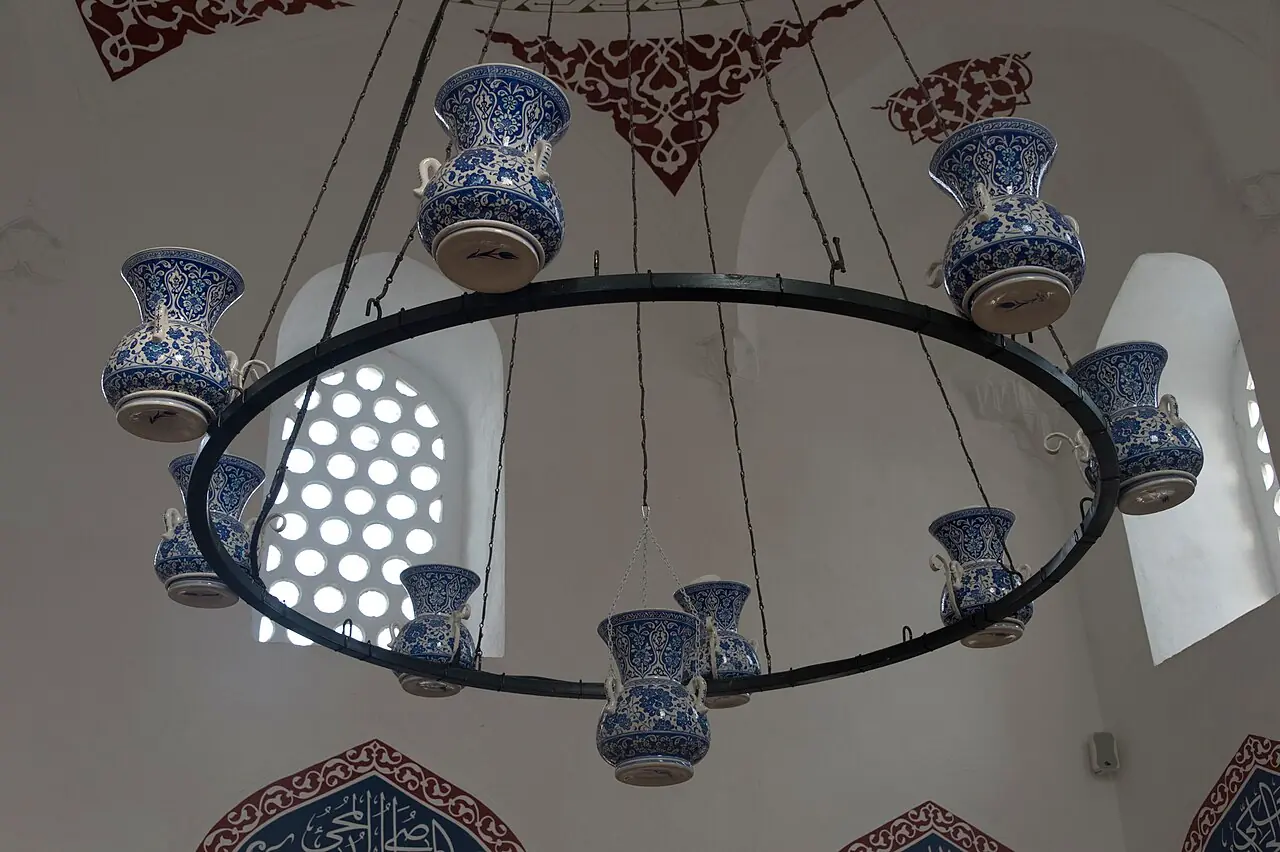
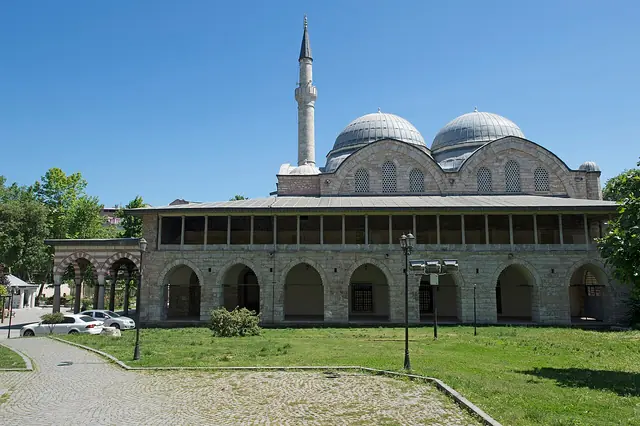
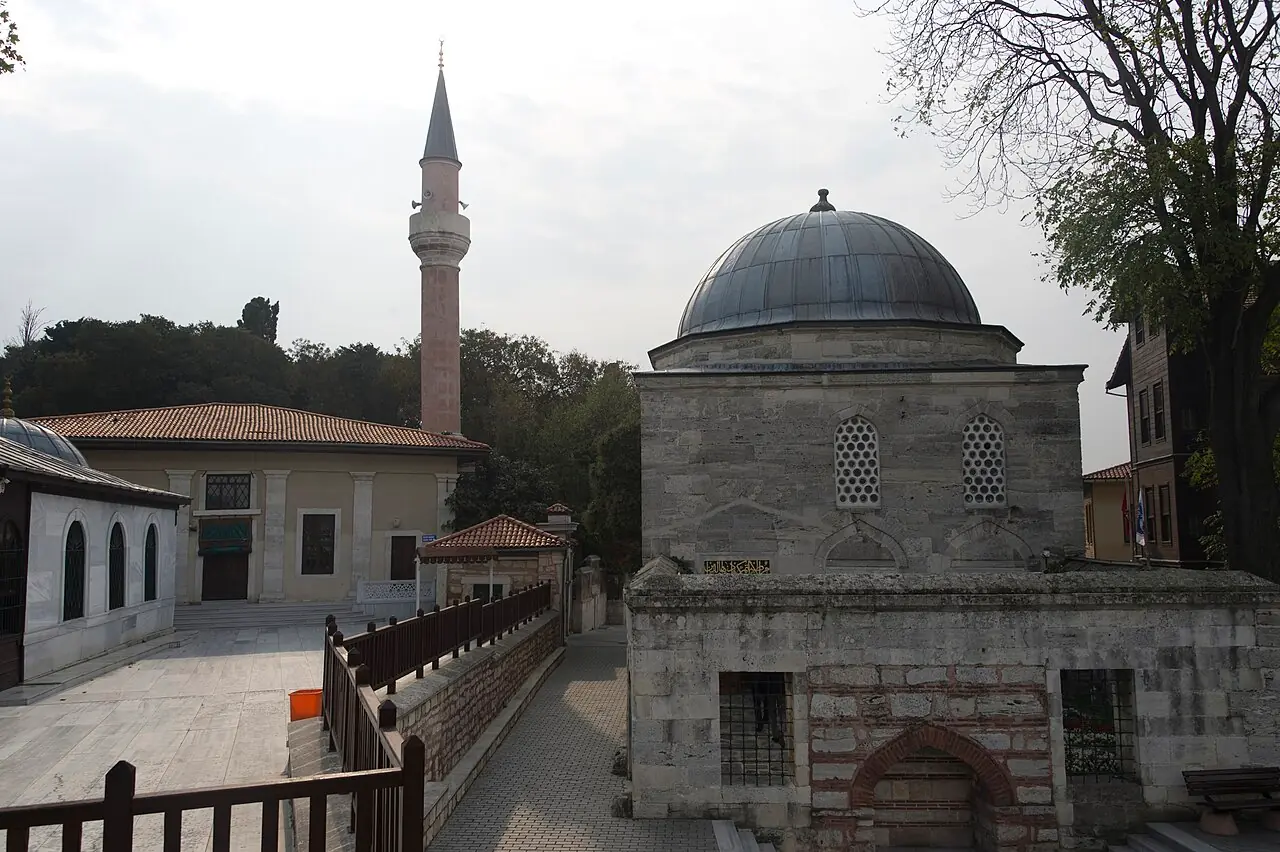
The mosque-tevhidhane has an almost square prayer hall (c. 17 × 16 m) with rubble-stone and brick walls, plastered exterior, and dressed limestone framing around doors and windows. Its defining feature is a timber hipped roof rather than a masonry dome — a hallmark of Sinan's smaller vernacular commissions beyond the monumental skyline. A single minaret with one şerefe is attached to the rectangular block. The interior has a wooden ceiling and a painted curtain-mihrab rather than a tiled one. The complex preserves one of the most complete small dervish külliyes from Sinan's era in Istanbul, including the mosque-tevhidhane, Merkez Efendi's türbe, a çilehane (seclusion cell), dervish cells, harem and selamlık, an imaret kitchen and dining hall, a hammam, the Abdülbaki Paşa Library, and extensive cemeteries.
In Sinan's evolution
1552–1572 — Sinan's long-running small dervish-külliye work running in parallel with his major imperial commissions (Süleymaniye ended 1557, Mihrimah Edirnekapı 1563–66). Demonstrates his vernacular vocabulary for mahalle-scale Sufi tevhidhanes: rectangular plan, timber roof in lieu of masonry dome, single-şerefe minaret. Contemporaneous with nearby Şah Sultan (Eyüp, 1555–56) for the same patron.
Sinan Tree →Facts
- Merkez Efendi (1463–1552) invented mesir macunu, a 41-spice medicinal paste credited with curing Valide Hafsa Sultan; its annual distribution at Nevruz in Manisa continues as a UNESCO-noted folk tradition. en.wikipedia.org
- An inscription over the courtyard gate records the dates 1514 and 1580, marking the lodge's earlier phase and a second restoration. zeytinburnu.istanbul
- Merkez Efendi was a caliph of Sünbül Sinan Efendi and upon the latter's death became head sheikh of the Sümbüliye branch of the Halveti Sufi order. islamansiklopedisi.org.tr
- The patron was Şah Sultan, daughter of Selim I and sister of Suleiman the Magnificent, who also commissioned her own Sinan-built mosque in Eyüp. tr.wikipedia.org
- Instead of a masonry dome, the mosque uses a timber hipped roof — a recurrent Sinan choice for small dervish tevhidhanes on Istanbul's outskirts. culturecityistanbul.blogspot.com
Photographs