Sinan / Classical
Piyale Pasha Mosque
1565–1573 · Beyoğlu / Kasımpaşa
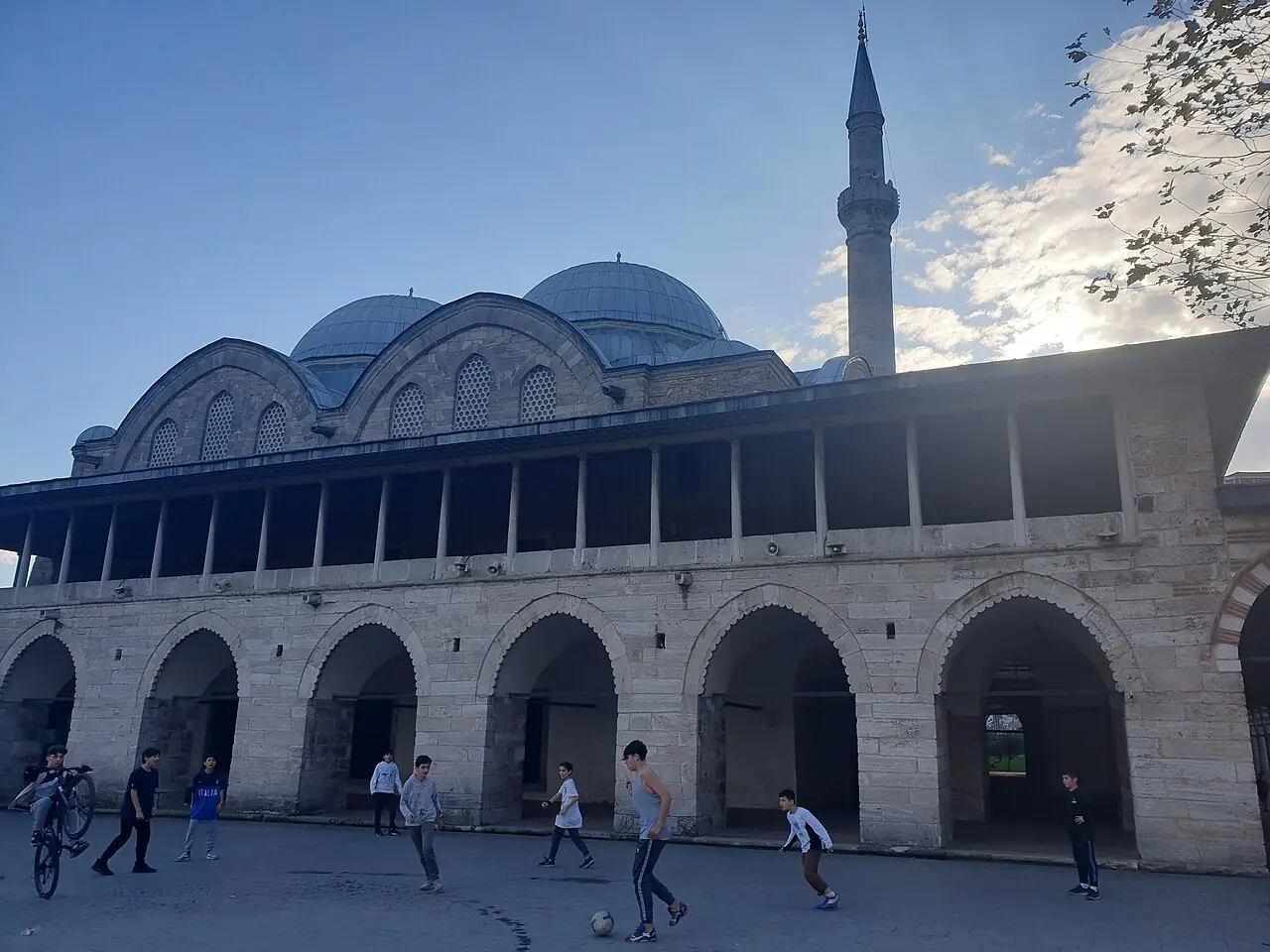
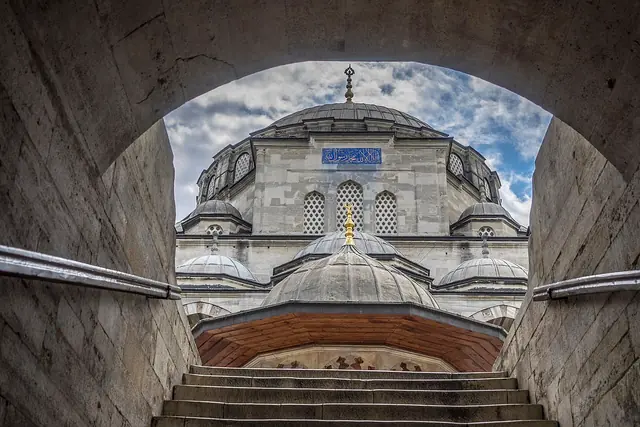
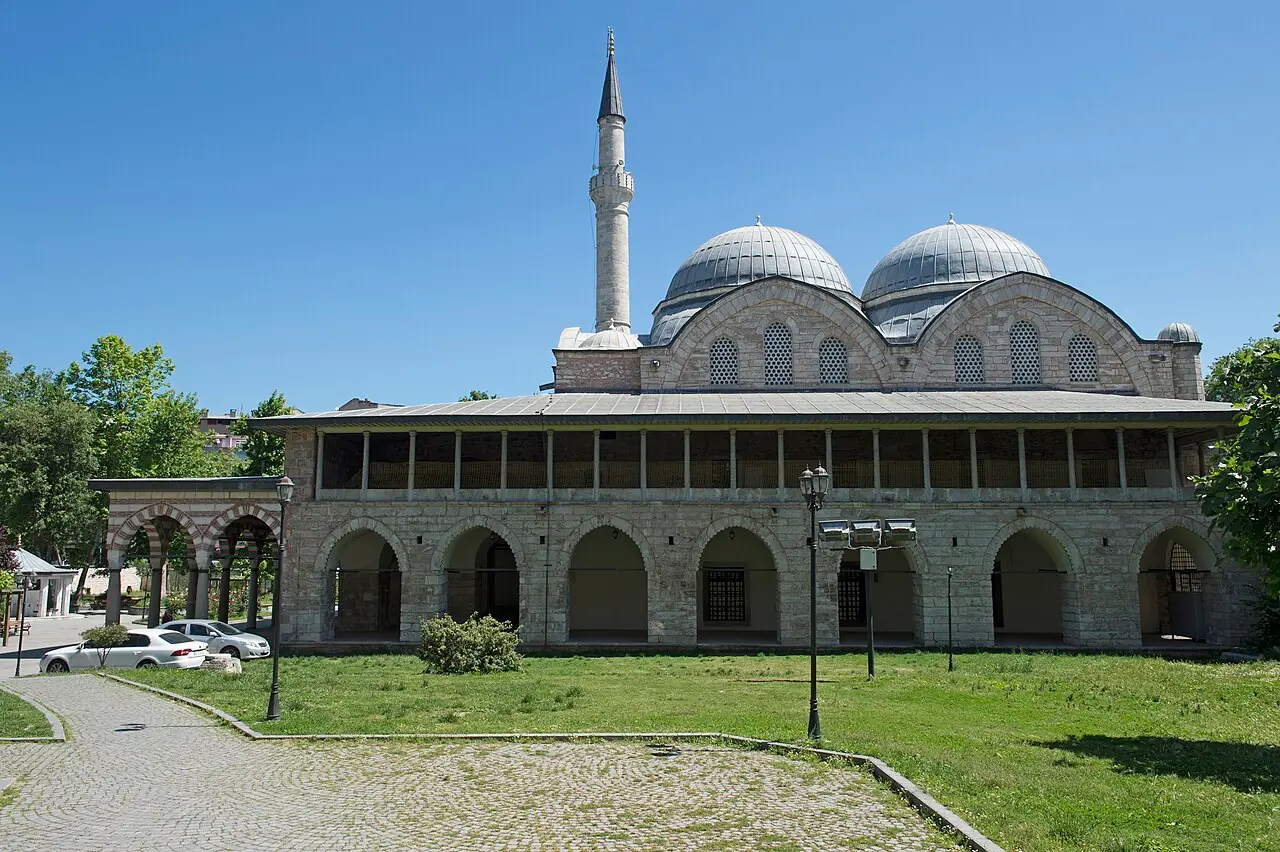
Six identical equal domes in a 2×3 grid — unique among Sinan's Istanbul mosques and possibly not designed by Sinan himself (absent from two of his three tezkereler). The type deliberately echoes pre-classical multi-dome mosques like the Bursa Ulu Camii, making it an anomalous architectural experiment within the classical Ottoman canon.
- Dome
- 9 m
- Minarets
- 1
- Built
- 1565–1573
- Architect
- Mimar Sinan
- Patron
- Piyale Mehmed Pasha
- District
- Beyoğlu / Kasımpaşa
History
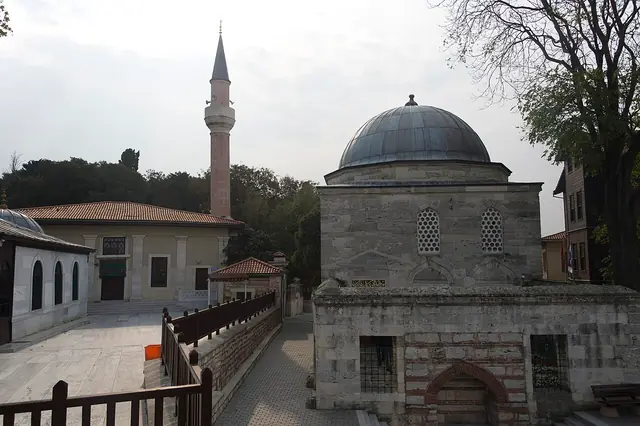
The mosque was built between 1565 and 1573 for Piyale Mehmed Pasha (d. 21 January 1578) — a man of Hungarian or Croatian origin captured at the Battle of Mohács (1526), educated at the Enderun Palace School, and appointed Grand Admiral (Kapudan Pasha) from 1553 to 1567, then promoted to vizier, the first admiral in Ottoman history to achieve that rank. In 1560 his fleet of 86 galleys destroyed the combined Christian fleet at the Battle of Djerba in a matter of hours. Piyale Pasha is buried in the mosque's octagonal mausoleum, which contains 13 sarcophagi including those of his children. Of the original complex — medrese, dervish lodge, primary school, and market — nothing survives today.
Architecture
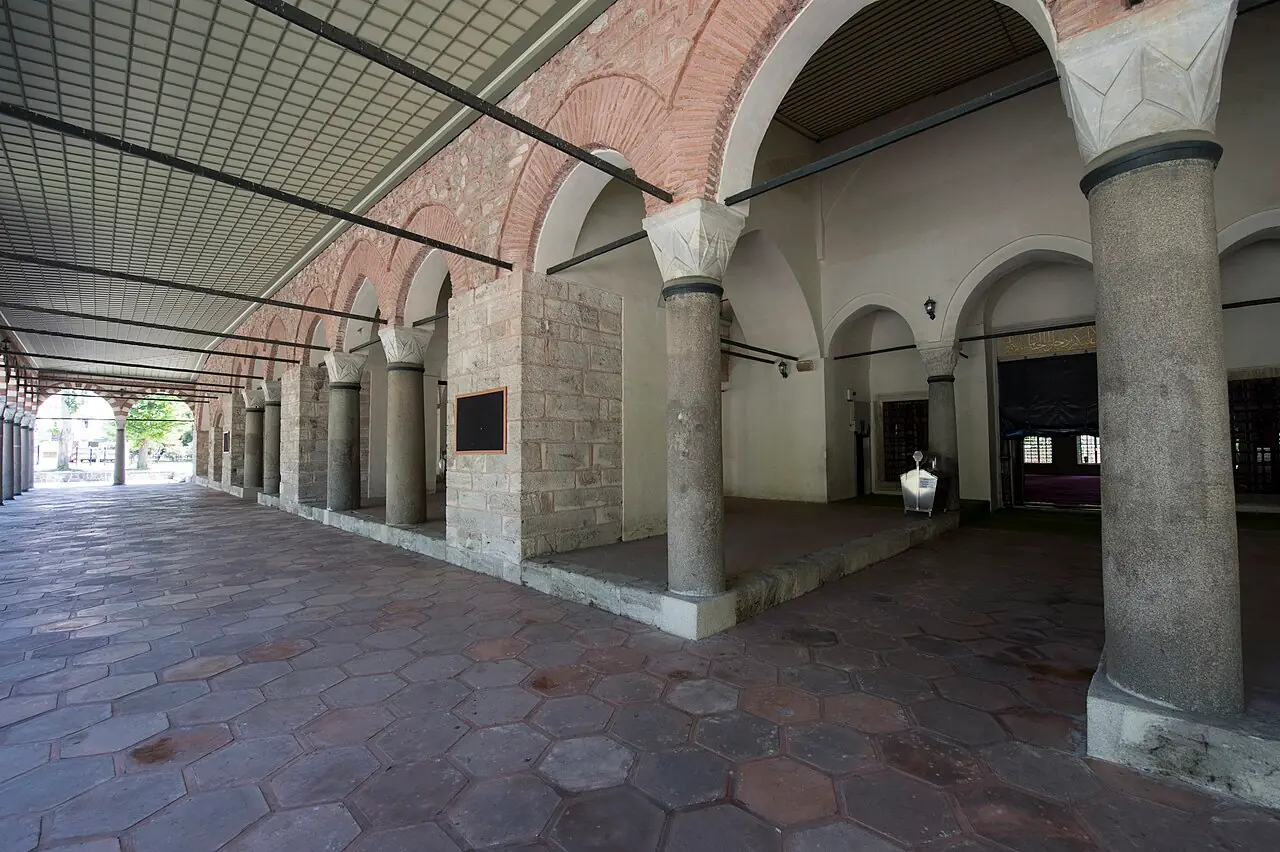
Unlike every other Sinan mosque in Istanbul, the prayer hall is not covered by a single central dome but by six identical domes, each approximately 9 m in diameter, arranged in two rows of three. The domes are supported at the center of the hall by two slender granite columns. The prayer hall measures 30.5 by 19.5 meters. Three walls are lined with Iznik tiles bearing inscriptions in white thuluth script on a cobalt-blue ground. This multi-dome scheme references the pre-classical multi-dome mosque type (as in the Ulu Camii, Bursa) but is executed with far greater structural refinement. Authorship is debated: the mosque is absent from the Tezkiretü'l-Ebniye and the Tezkiretü'l-Bünyan, but it does appear in the Tuhfetü'l-Mi'mârîn, the fullest of Sinan's building lists. The archaic multi-dome scheme has led some scholars to see the hand of a workshop associate, while Gülru Necipoğlu reads the mosque as Sinan's own design, deliberately archaising for a kapudan pasha.
In Sinan's evolution
Anomalous mid-period work (1565–1573). The six-dome plan is a deliberate archaism, reverting to the pre-classical multi-dome mosque type at a moment when Sinan's main trajectory was toward ever more sophisticated single-dome compositions. Its absence from the Tezkiretü'l-Ebniye and the Tezkiretü'l-Bünyan — though it is listed in the fullest register, the Tuhfetü'l-Mi'mârîn — raises the possibility it was designed by a workshop associate. Scholars debate whether this represents Sinan's experimental breadth or the limits of his workshop attribution.
Sinan Tree →Facts
- The Piyale Pasha Mosque is the only mosque attributed to Sinan that uses six equal domes instead of a single central one. Crucially, it is not mentioned in any of Sinan's own tezkereler (autobiographical lists of his works), leading some scholars to doubt his direct authorship and suggest it was designed by an assistant under his general supervision. en.wikipedia.org
- Several identical Iznik tiled lunette panels were removed from the mosque in the 19th century following earthquake damage and are now held in the Musée du Louvre (Paris), the Museu Calouste Gulbenkian (Lisbon), and the Victoria and Albert Museum (London) — a 19th-century dispersal of Ottoman heritage that remains a source of restitution debate. en.wikipedia.org
- Piyale Pasha was the first admiral in Ottoman history to be promoted to the rank of vizier (1568), breaking the traditional barrier between naval command and the imperial council. en.wikipedia.org
- At the Battle of Djerba (1560), Piyale Pasha's fleet of 86 galleys destroyed the combined naval forces of Spain, Genoa, Naples, and the Papacy in a matter of hours — one of the largest Ottoman naval victories in the Mediterranean. en.wikipedia.org
Photographs