Sinan / Classical
Kılıç Ali Pasha Mosque
1578–1580 · Beyoğlu / Tophane
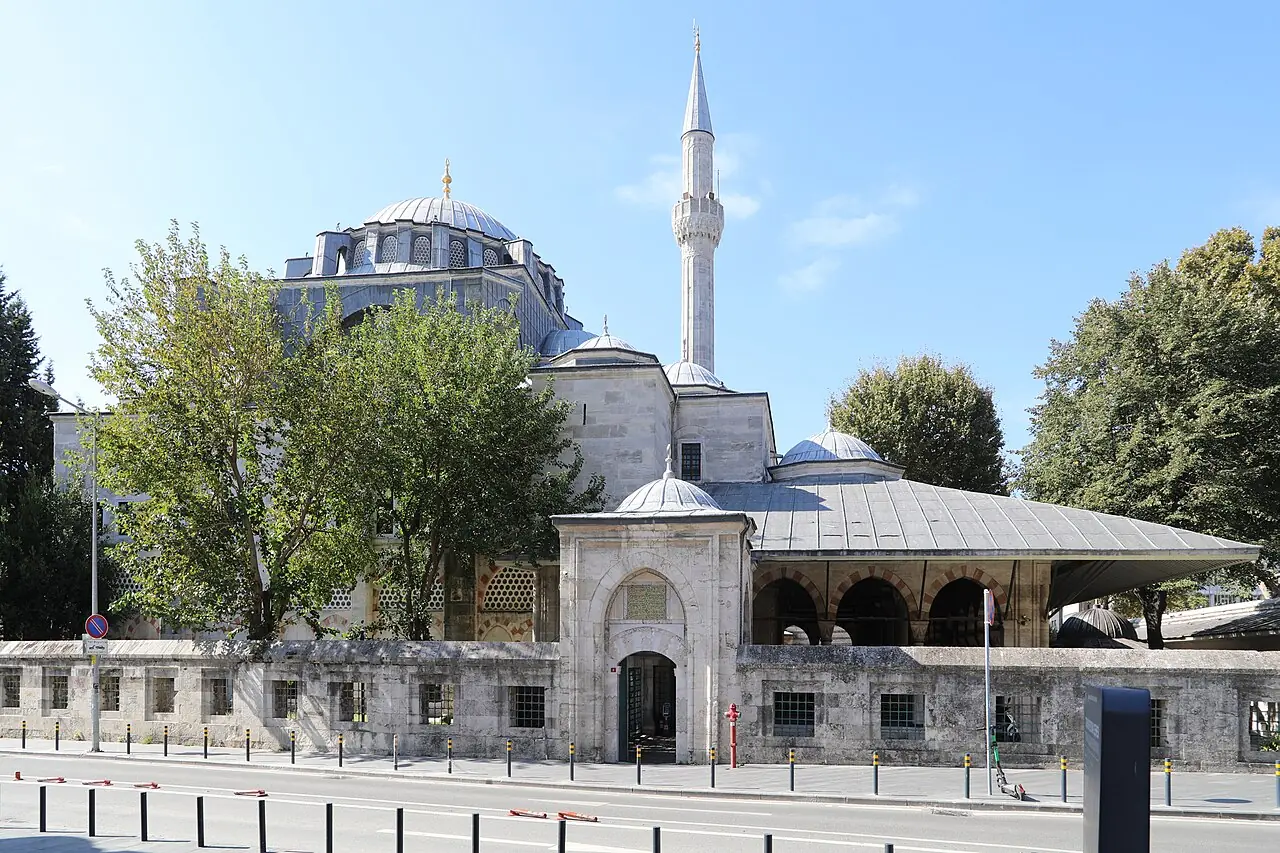
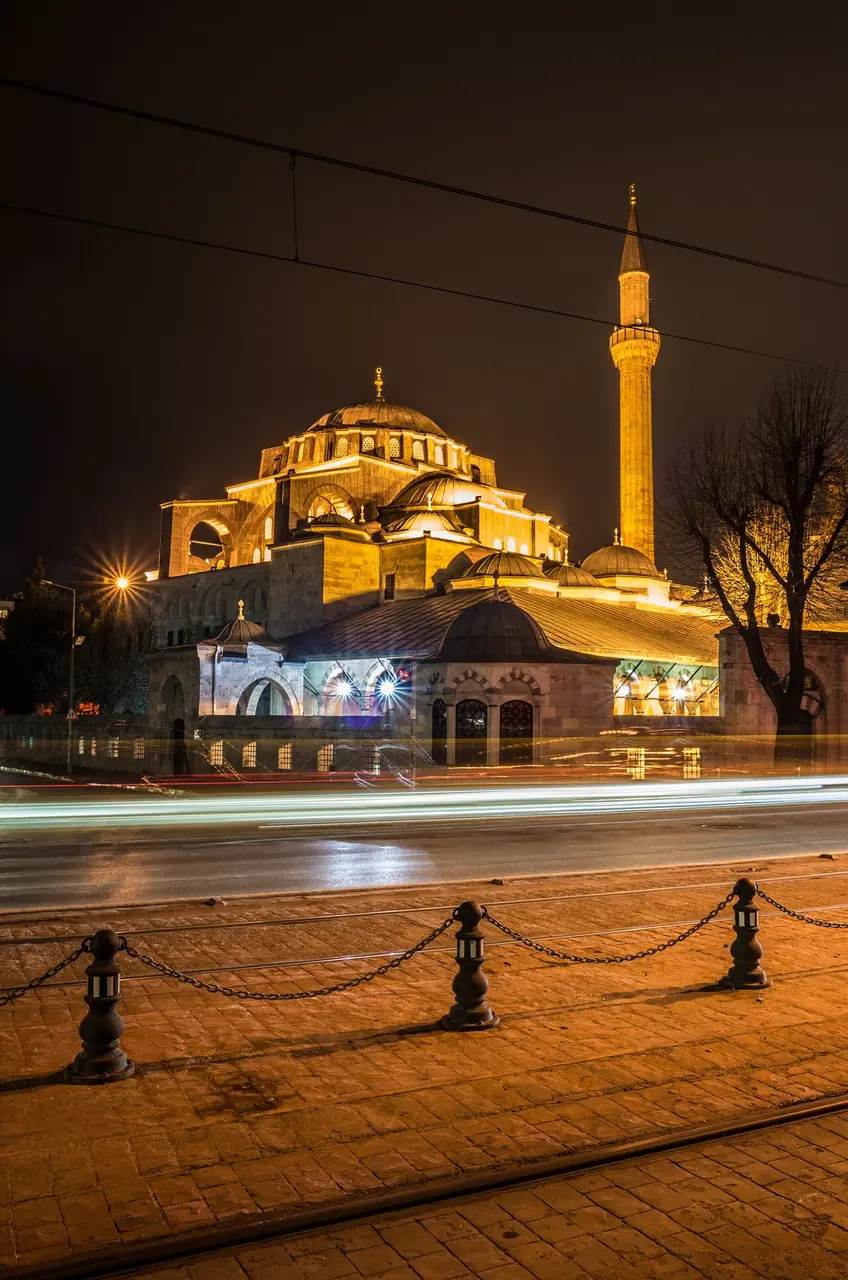
Conscious formal reproduction of Hagia Sophia's basilical plan (central dome + two qibla-axis semi-domes) by an Italian-born former galley slave who became the Ottoman Grand Admiral — the mosque's commission and plan together embody a double conversion story: a man and an architectural type both transformed into Ottoman service.
- Dome
- 12.7 m
- Minarets
- 1
- Built
- 1578–1580
- Architect
- Mimar Sinan
- Patron
- Kılıç Ali Pasha
- District
- Beyoğlu / Tophane
History
The mosque was commissioned by Kılıç Ali Pasha — born Giovanni Dionigi Galeni in Calabria (c.1519–1587), captured by Muslim corsairs as a young man, converted to Islam, and rose to become Grand Admiral (Kapudan Pasha) of the Ottoman Fleet. After the Battle of Lepanto in 1571, where he was the only Ottoman commander to hold his squadron together and captured the flagship of the Knights of Malta, Sultan Selim II awarded him the honorary title 'Kılıç' (Sword). Sinan built the mosque between 1578 and 1580; the complex's hamam was completed in 1583. Two chronograms inside the mosque both record the year 988 AH (1580 CE).
Architecture
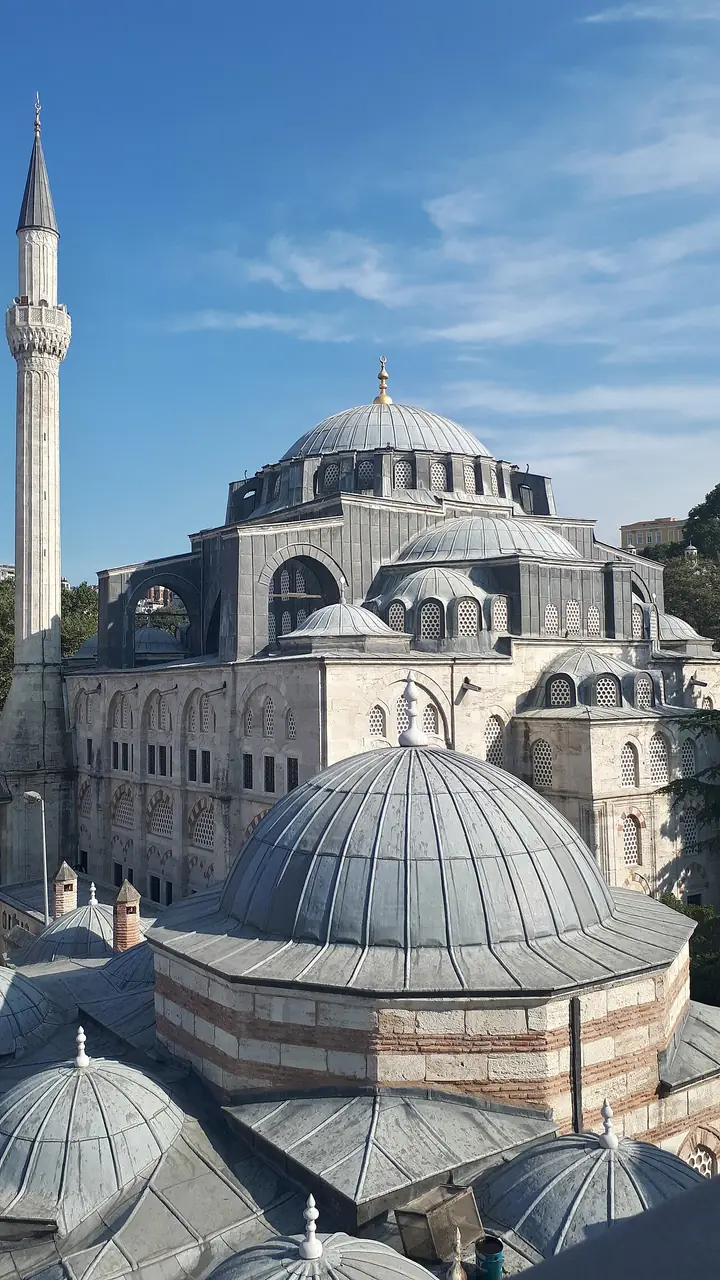
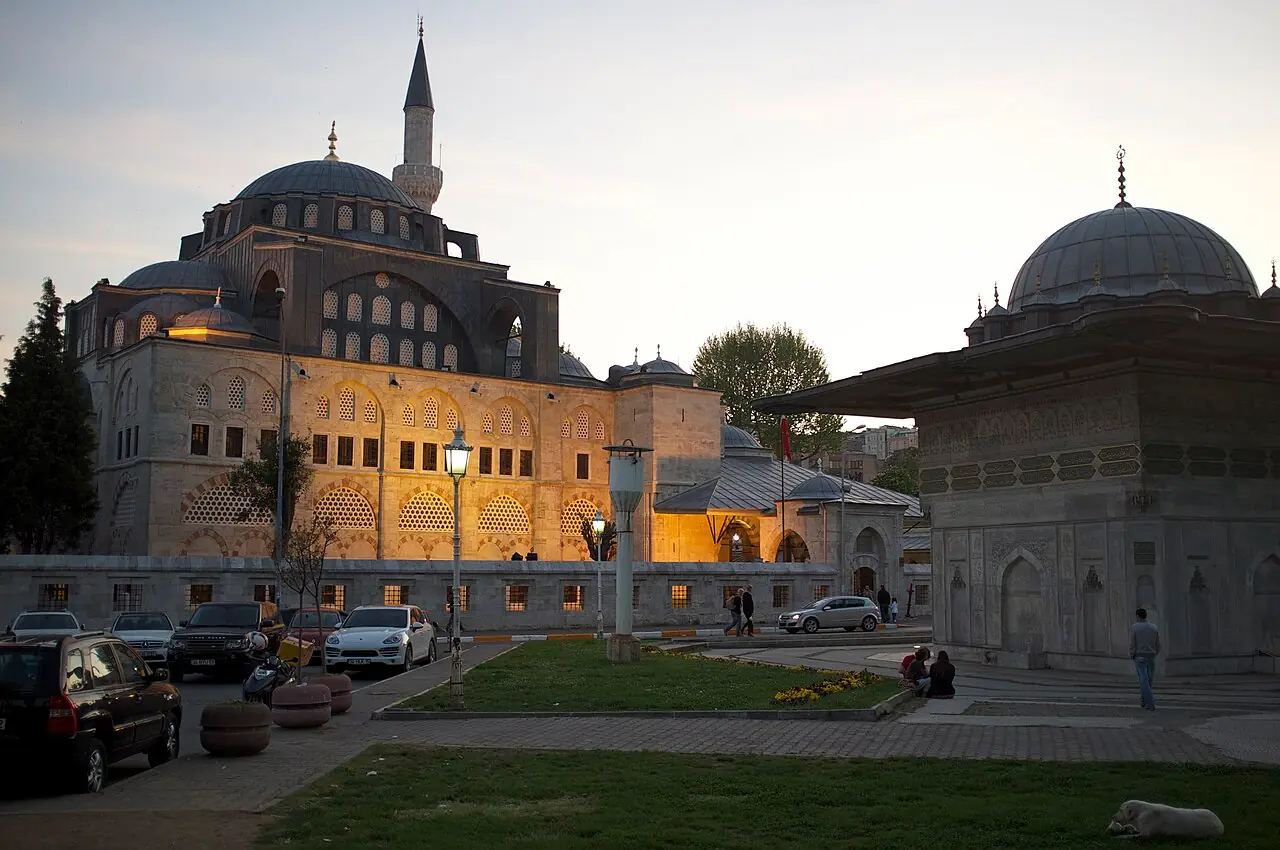
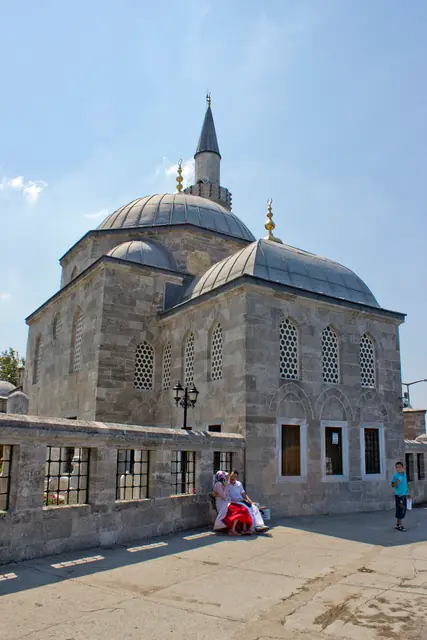
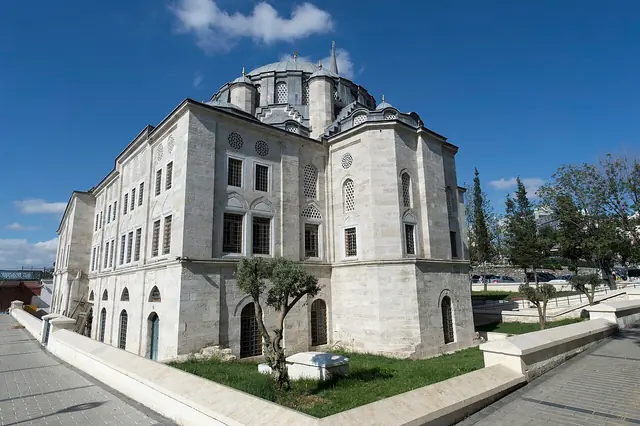
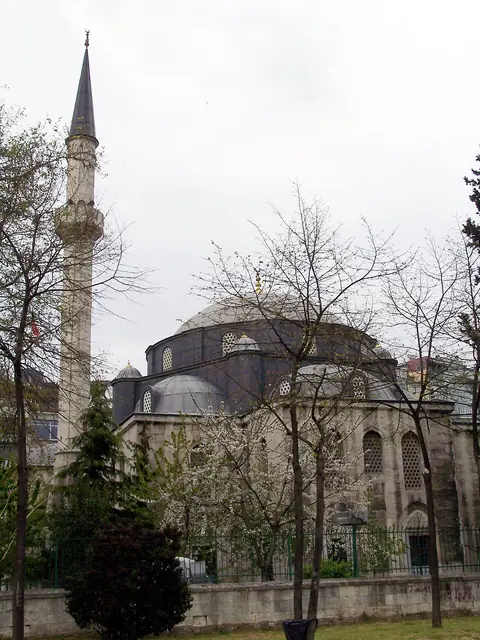
Sinan consciously modelled the mosque on Hagia Sophia: the plan repeats the basilical type with a central dome 12.70 m in diameter carried on pendentives over granite piers, with two half-domes on the qibla axis. Sources describe the result not as mere imitation but as 'an improved, statically safer phase of Hagia Sophia architecture.' Five small domes on six marble columns cover the corners above the prayer hall. The complex includes a medrese, hamam, türbe, and fountain. A 16th-century ship's lamp originally hung from the central dome — it was transferred to the Naval History Museum in 1948.
In Sinan's evolution
Very late period (1578–1580, Sinan c.90 years old). Represents a deliberate return to the Hagia Sophia basilical plan — a type Sinan had worked with early in his career and here revisits with mature structural confidence. Contrasts with the hexagonal experiments of his mid-period (Sokollu, Atik Valide).
Sinan Tree →Facts
- The mosque's patron was Italian-born: Giovanni Dionigi Galeni of Calabria. Captured by corsairs and enslaved as an oarsman, he converted to Islam, mastered naval warfare, commanded the fleet of Algiers, and eventually became Supreme Admiral of the entire Ottoman Empire. en.wikipedia.org
- After the disaster of Lepanto (1571), Kılıç Ali Pasha rebuilt the entire Ottoman fleet in a single winter — a logistical feat that astonished contemporary observers. Cervantes, who fought against him at Lepanto, praised him in Don Quixote. warhistory.org
- A 16th-century ship's lamp hung from the central dome from the mosque's founding until 1948, when it was removed to the Museum of Ottoman and Turkish Naval History — a material link between the patron's seafaring identity and the sacred space he endowed. en.wikipedia.org
- Sinan was approximately 90 years old when he designed this mosque. Along with the complex's hamam (1583) and the patron's türbe, it represents one of the last large commissions of his extraordinarily long career. dailysabah.com
Photographs


.jpg)
.jpg)