Sinan / Classical
Şemsi Pasha Mosque
1580 · Üsküdar
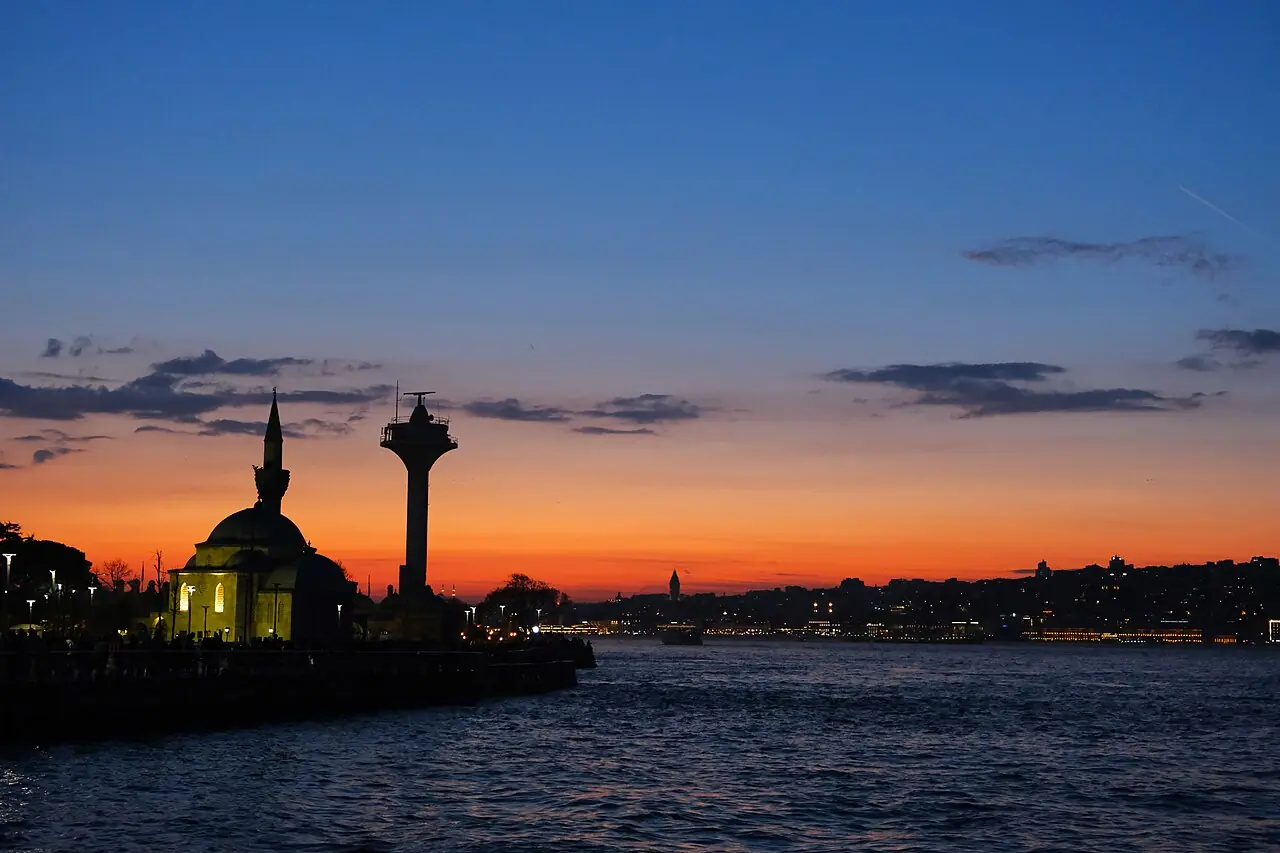
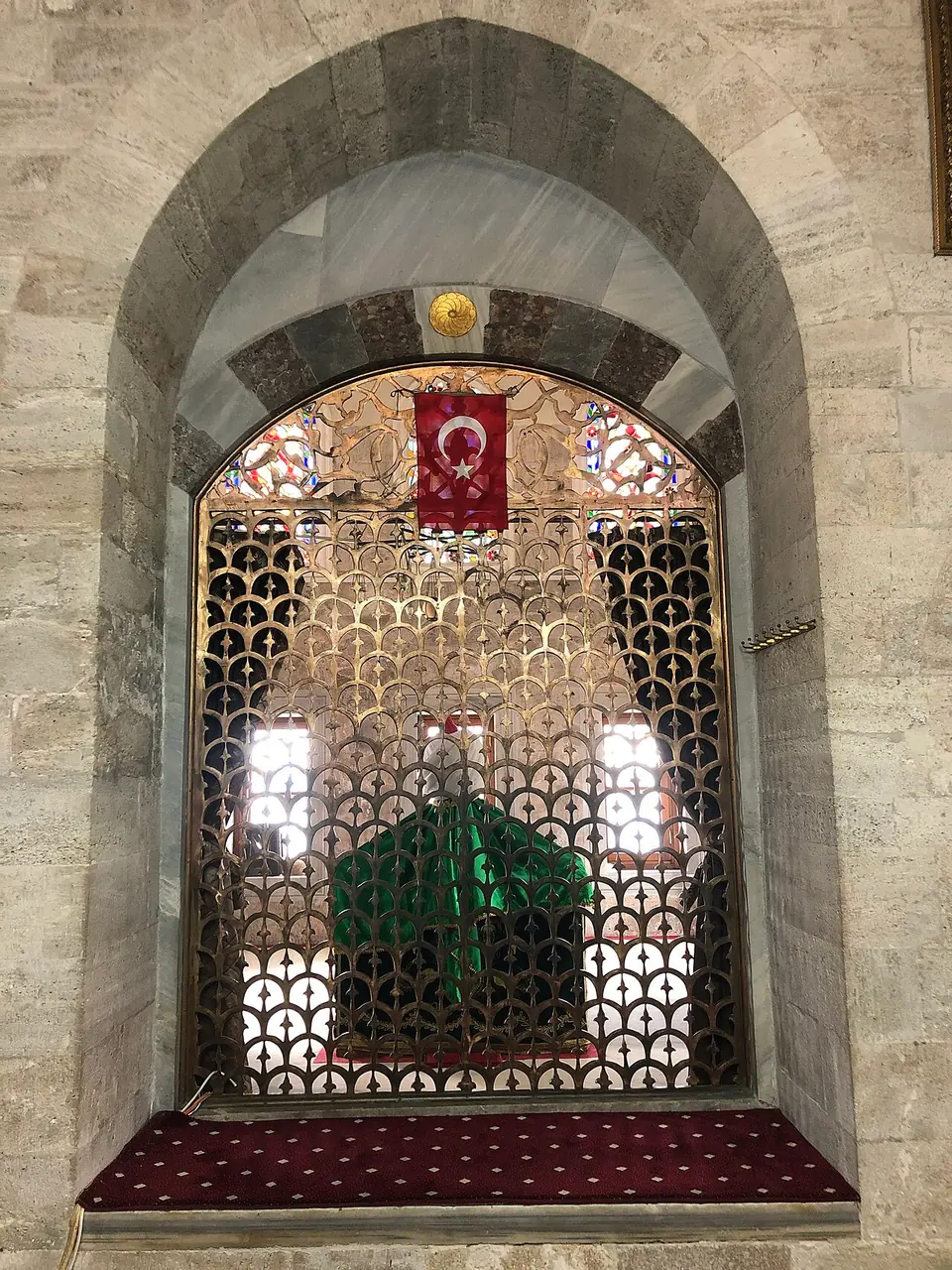
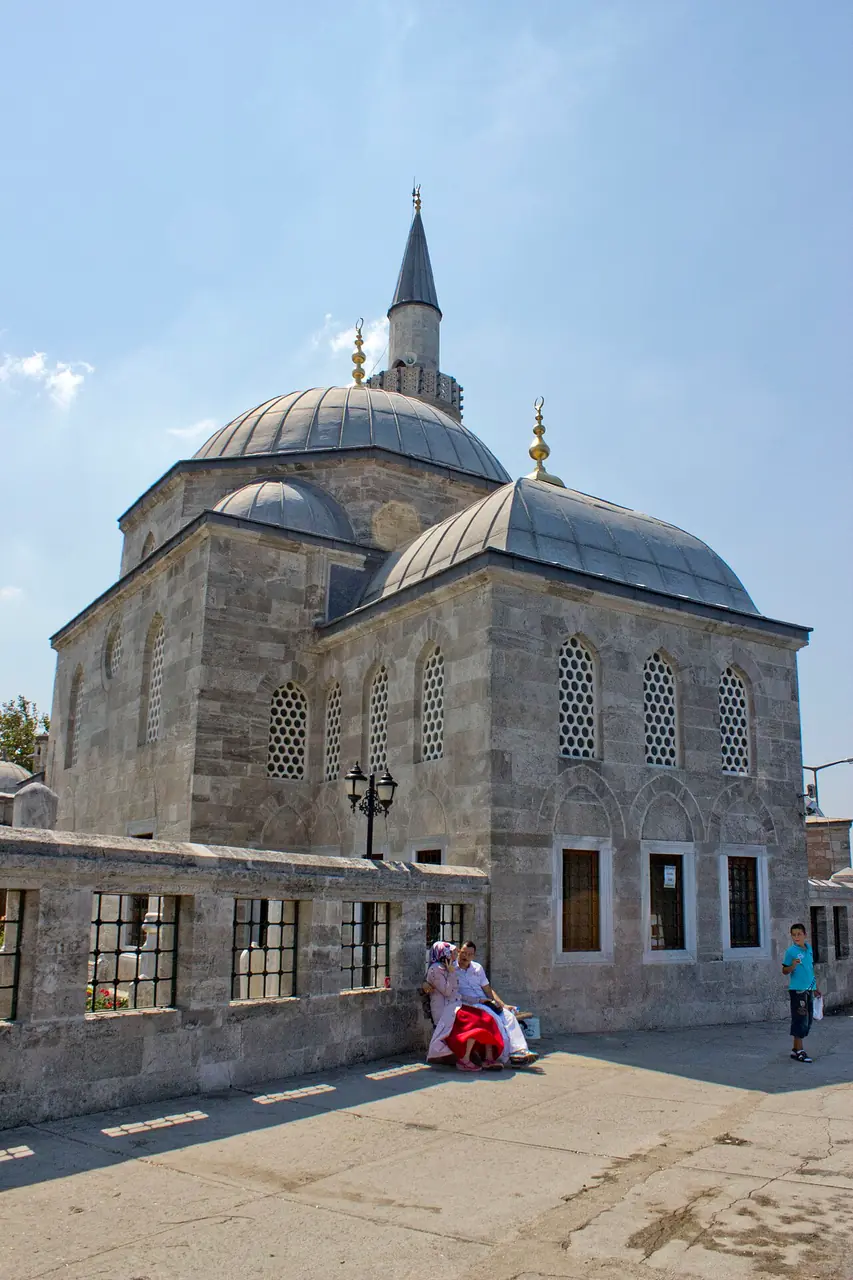
The patron's tomb is physically embedded within the mosque's own volume, separated from the prayer hall only by an ornamental iron grille — a spatial fusion of sacred and funerary space almost unique in Ottoman Istanbul. Combined with the 'Kuşkonmaz' (birds-don't-land) wind phenomenon, it is the most anecdotally memorable of Sinan's smaller Istanbul mosques.
- Dome
- 8 m
- Minarets
- 1
- Built
- 1580
- Architect
- Mimar Sinan
- Patron
- Şemsi Ahmed Pasha
- District
- Üsküdar
History
The mosque was built for Şemsi Ahmed Pasha (d. 5 March 1580) — a great-great-grandson of Mehmed the Conqueror through his mother Şahnisa Sultan, who served as governor-general of Damascus, Anatolia, and Rumelia, participated in the Siege of Szigetvár in 1566, and later became the hunting companion of Sultan Murad III. The complex was erected beside Şemsi Pasha's palace on the Bosphorus waterfront in Üsküdar; the date of completion is inscribed over the mosque portal as 1580. The patron died the same year the mosque was finished.
Architecture
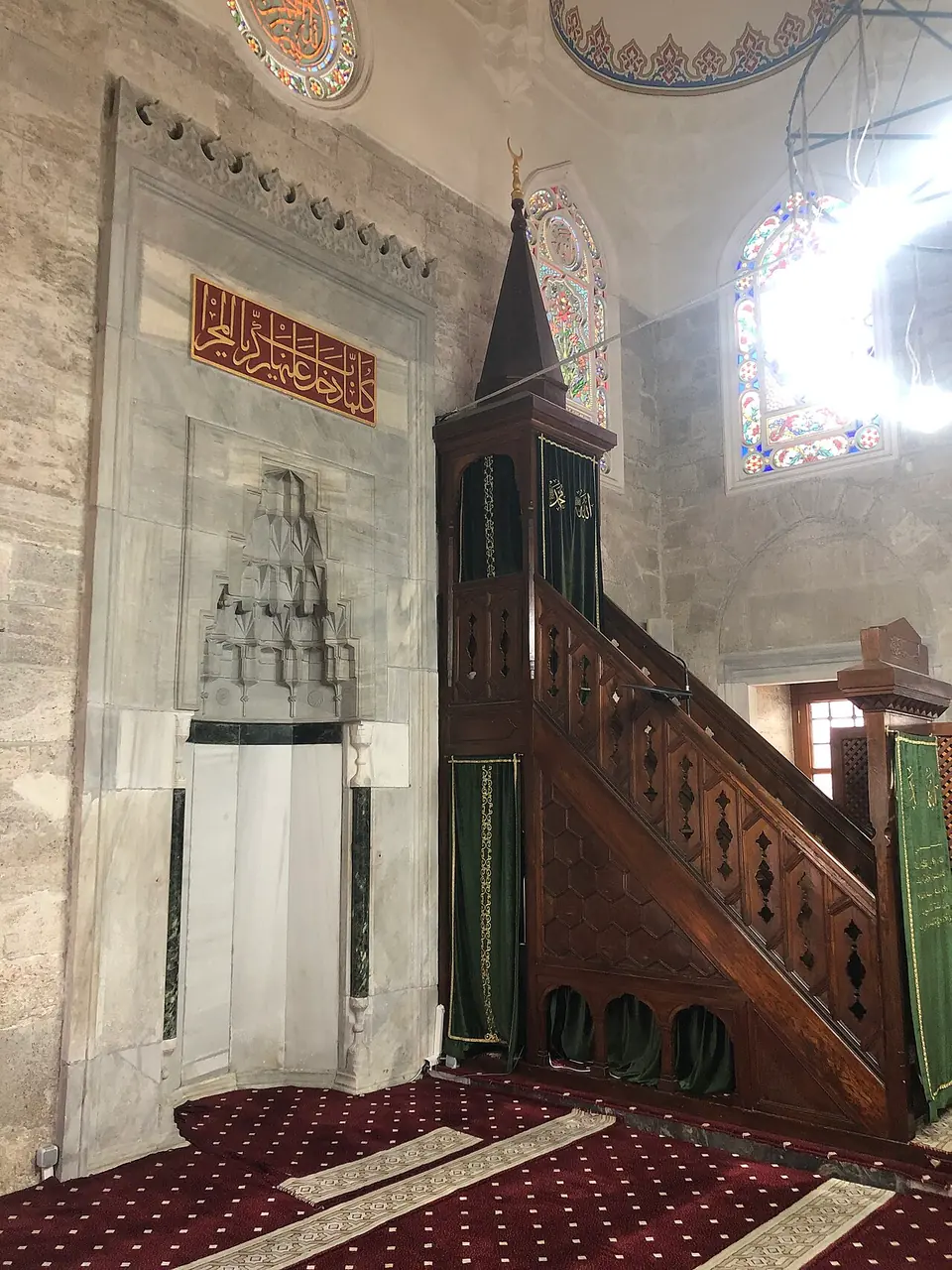
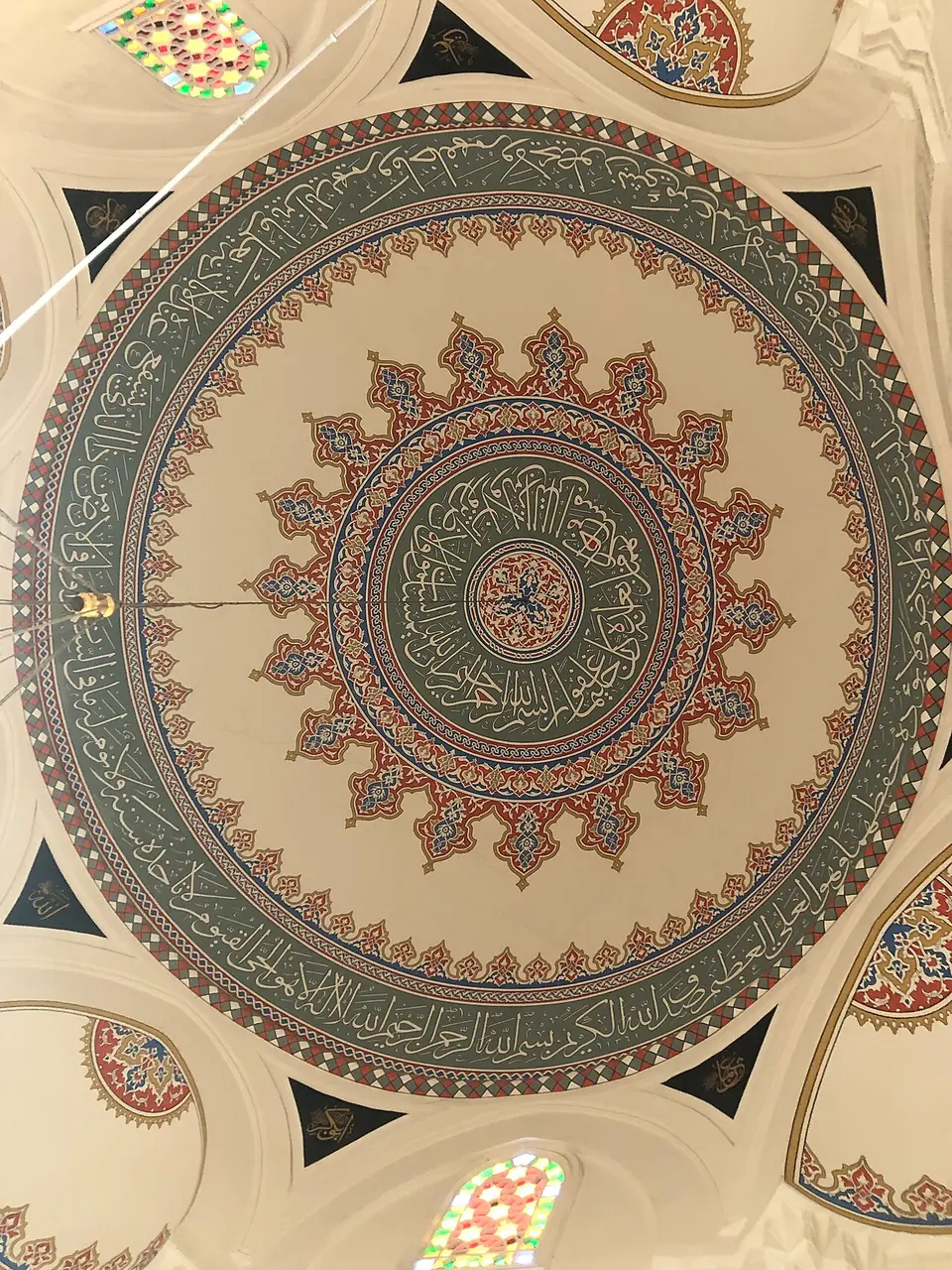
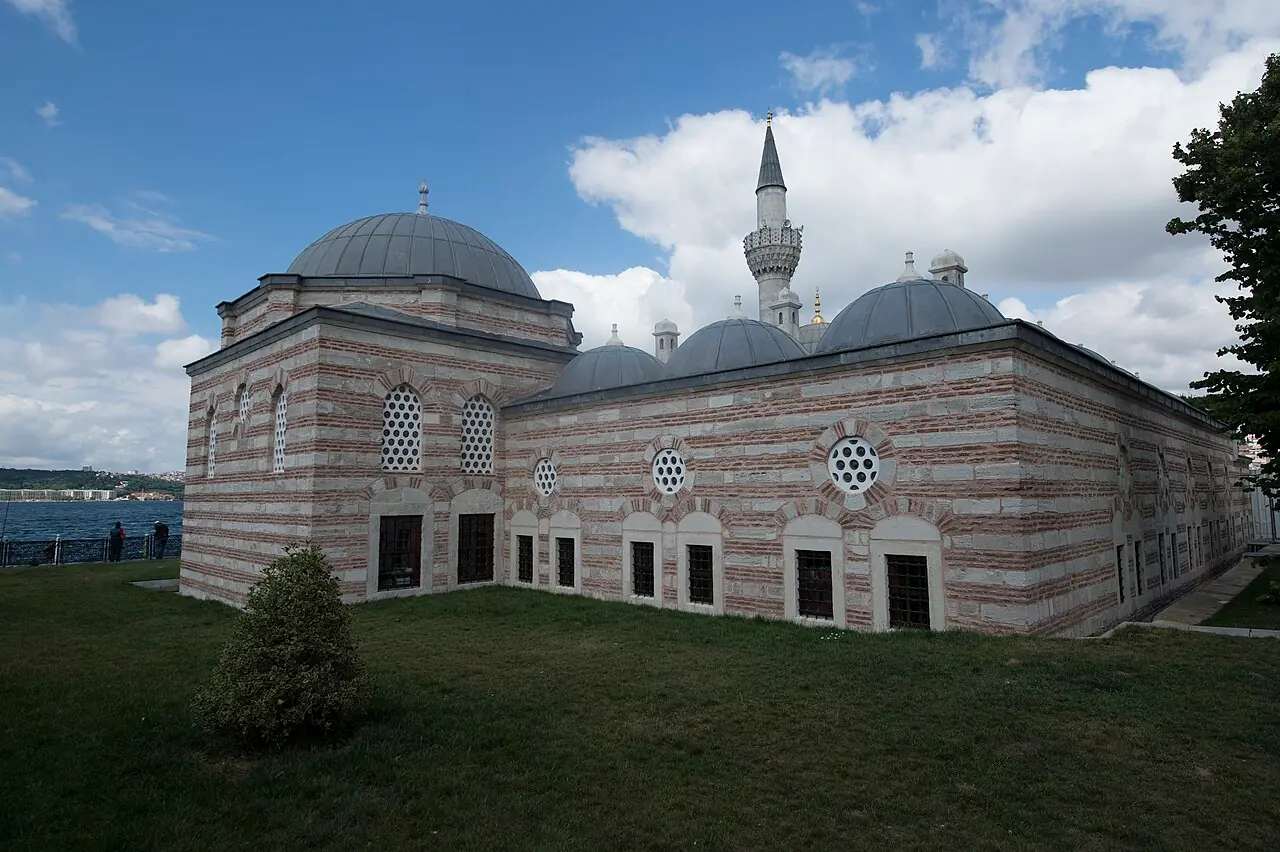
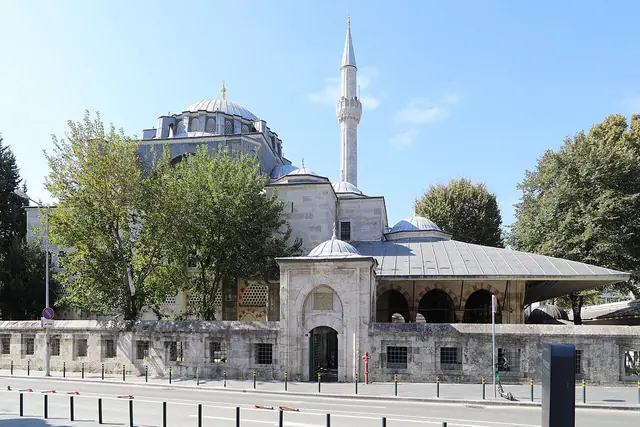
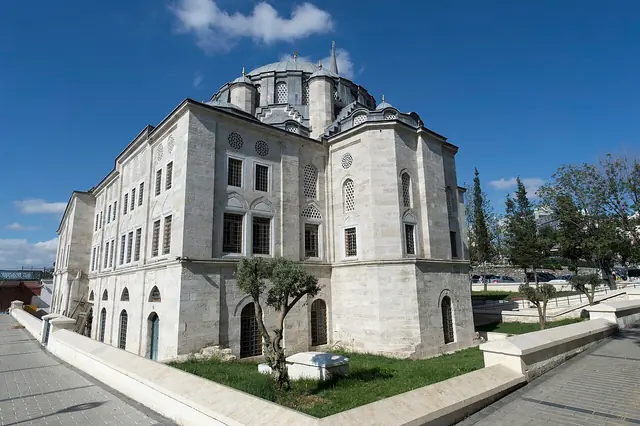
The square prayer hall is covered by a single dome approximately 8 m in diameter; the building abuts the coastline at an angle. An L-shaped medrese wraps around three sides of the garden, with the sea wall forming the fourth. The defining architectural feature is the patron's tomb: it is incorporated directly into the body of the mosque and separated from the prayer hall only by an ornamental iron grille — an arrangement almost without parallel in Istanbul. This is one of the smallest mosques commissioned by a senior Ottoman official in Constantinople, yet its miniature scale and waterfront position have made it one of the most distinctive of Sinan's Istanbul works.
In Sinan's evolution
Very late period miniature (1580, Sinan c.90 years old). Represents Sinan's mastery of extreme spatial economy: a complete külliye programme (mosque, medrese, tomb, garden) compressed onto a narrow coastal strip. The L-shaped medrese plan wrapping three sides of the garden is a refined solution for waterfront constraints.
Sinan Tree →Facts
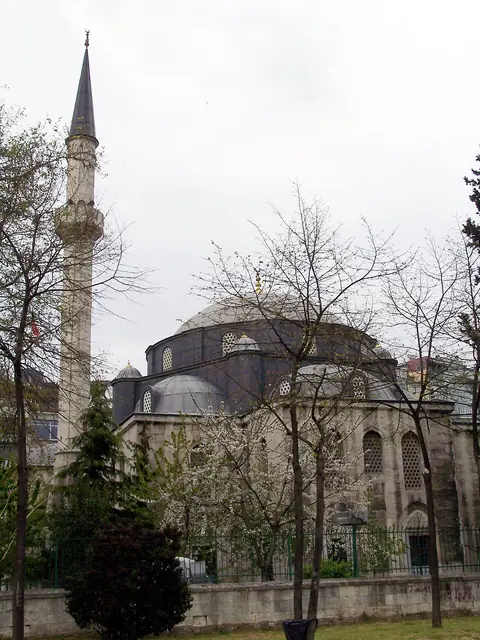
- Locals call it 'Kuşkonmaz Camii' — the Mosque on Which Birds Do Not Land. The reason is physical: the intersection of winds from the Bosphorus, the Marmara Sea, and the Golden Horn at this precise spot on the waterfront prevents birds from settling on the dome or minaret, a phenomenon observed continuously for over 400 years. yabangee.com
- The patron's tomb (türbe) is physically built into the mosque's main volume, divided from the prayer hall only by a decorative grille — an arrangement almost unparalleled in Ottoman Istanbul mosque architecture. en.wikipedia.org
- Şemsi Ahmed Pasha was a great-great-grandson of Mehmed the Conqueror: his mother Şahnisa Sultan was the daughter of Şehzade Abdullah, son of Sultan Bayezid II, making him of direct Ottoman imperial descent. researchgate.net
- Sinan designed this mosque at approximately age 90, his final decade of practice. The perfection of the compact waterfront layout — mosque, L-shaped medrese, garden, and tomb all on a narrow coastal strip — is considered a masterclass in small-scale Ottoman urban design. cornucopia.net
Photographs