Sinan / Classical
Molla Çelebi Mosque
1561–1584 · Beyoğlu / Fındıklı
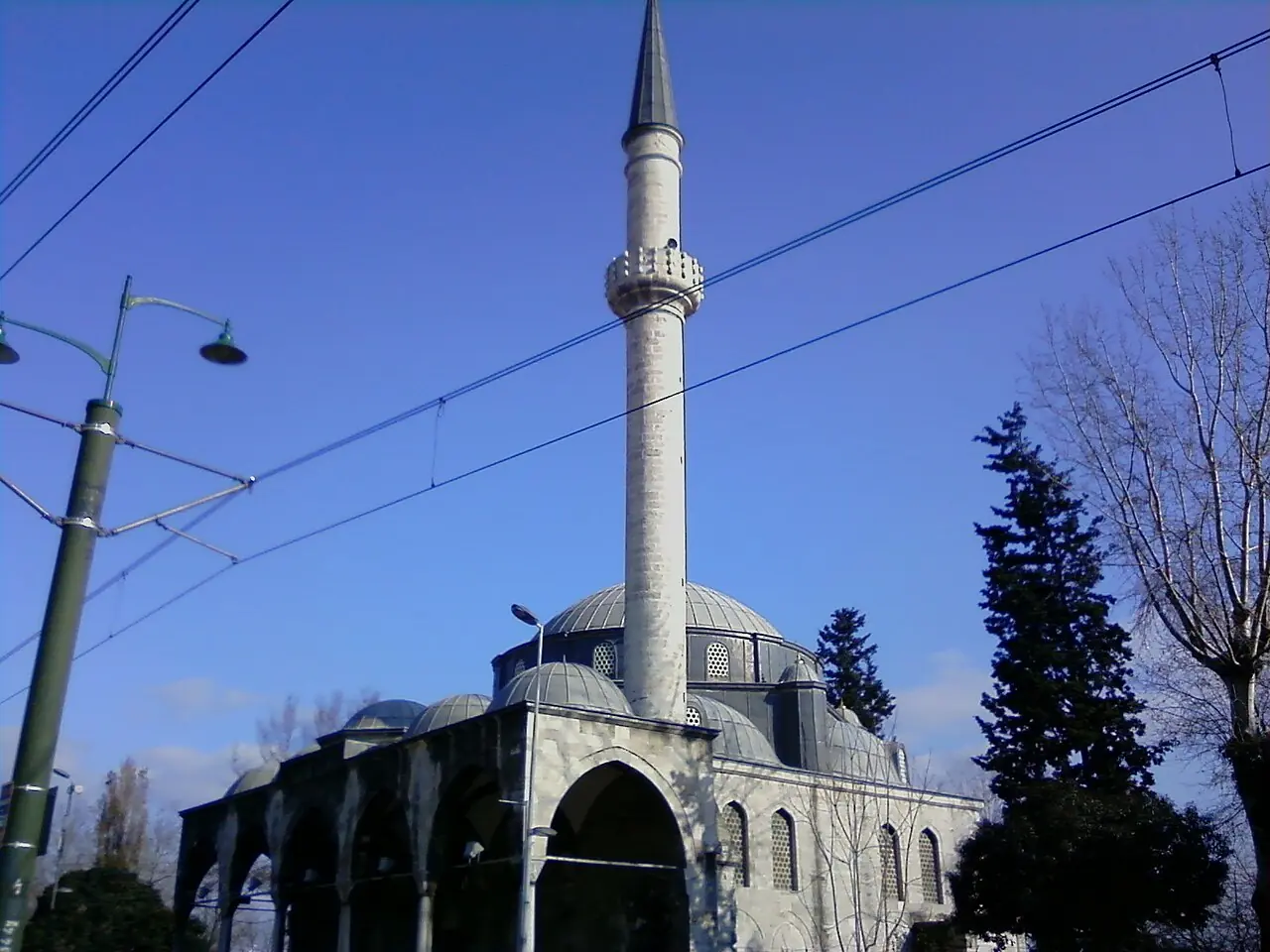
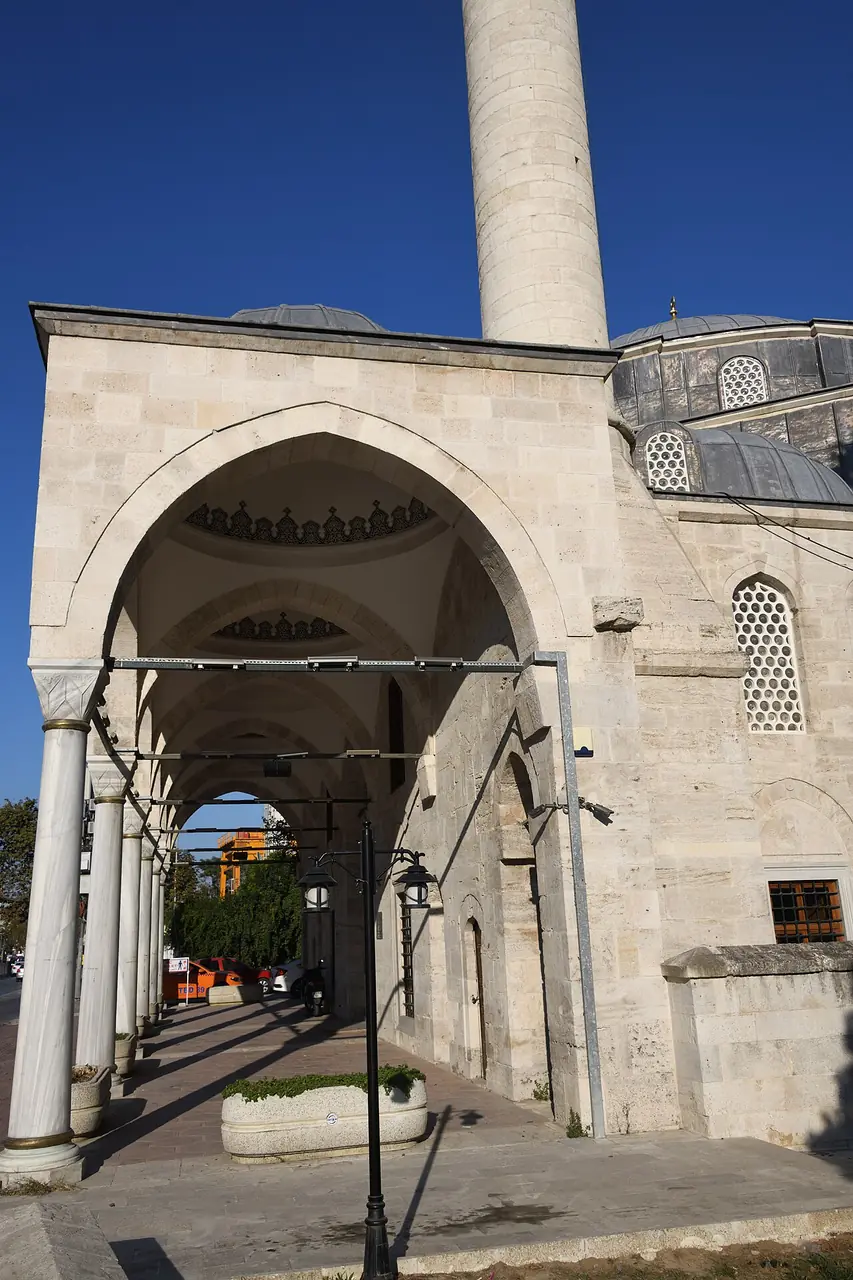
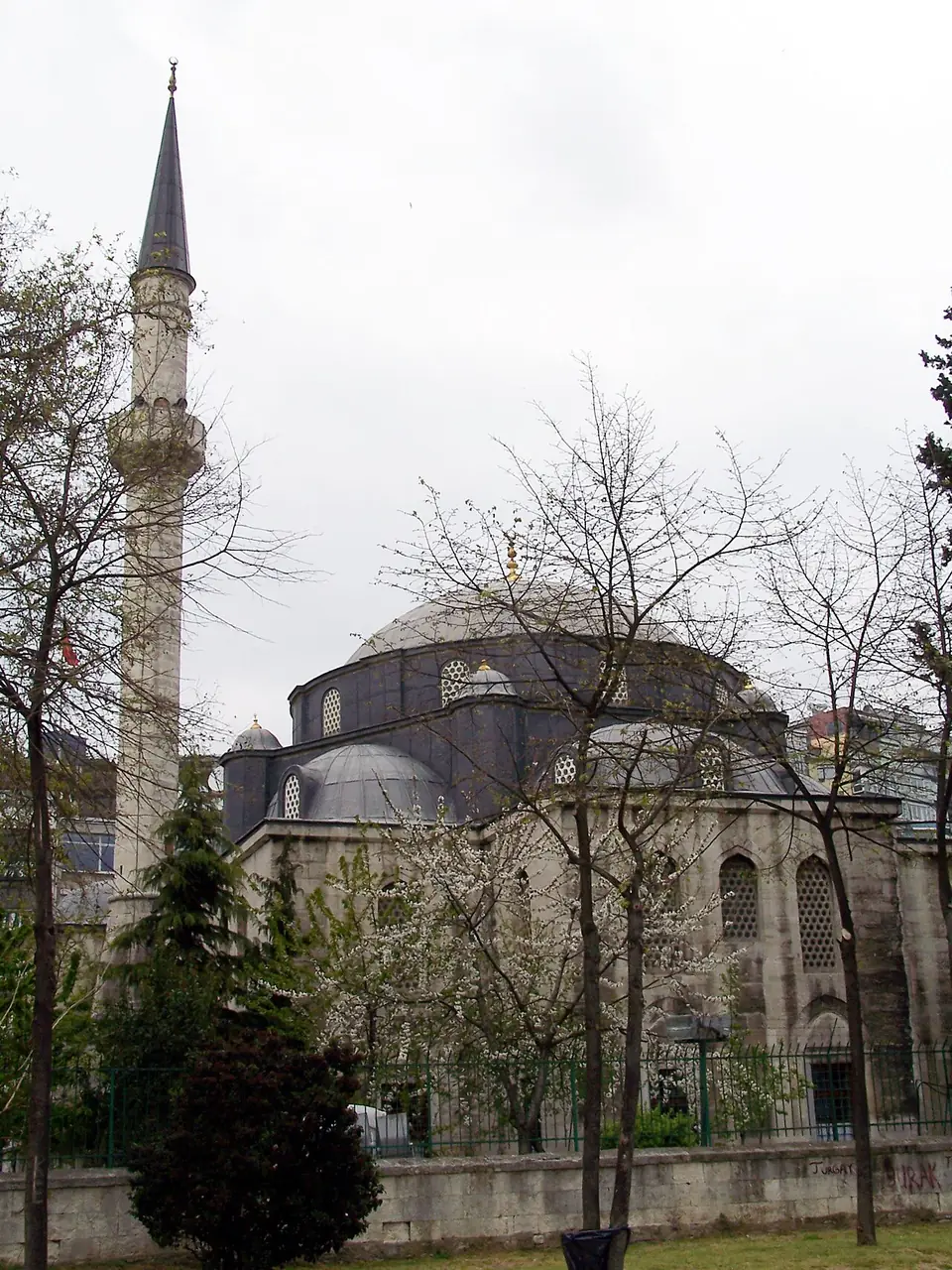
Hexagonal six-pier baldaquin supporting an 11.80 m dome, placed directly on the Bosphorus waterfront in Fındıklı — one of Sinan's most compact structural experiments, with one of the most contested construction dates in his entire Istanbul output.
- Dome
- 11.8 m
- Minarets
- 1
- Built
- 1561–1584
- Architect
- Mimar Sinan
- Patron
- Kazasker Mehmet Vusuli Efendi (Molla Çelebi)
- District
- Beyoğlu / Fındıklı
History
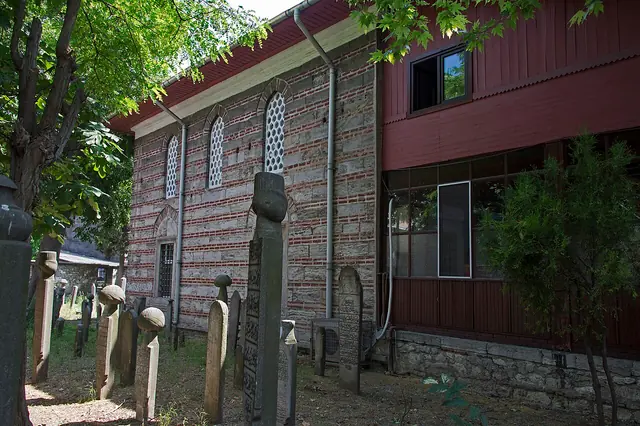
The Molla Çelebi Mosque was commissioned by Kazasker Mehmet Vusuli Efendi, chief judge of Istanbul, known by his honorific title 'Molla Çelebi' — from which the mosque takes its name. He died in 1590 and was buried in Eyüp. The date of construction is disputed: official sources state 1561–62, while other reliable references place it between 1570 and 1584. The original külliye included a hamam, a primary school (sıbyan mektebi), and a cemetery enclosure (hazirah) in addition to the mosque; the hamam, once one of the busiest in Istanbul, was demolished in 1957 during coastal road-widening works.
Architecture
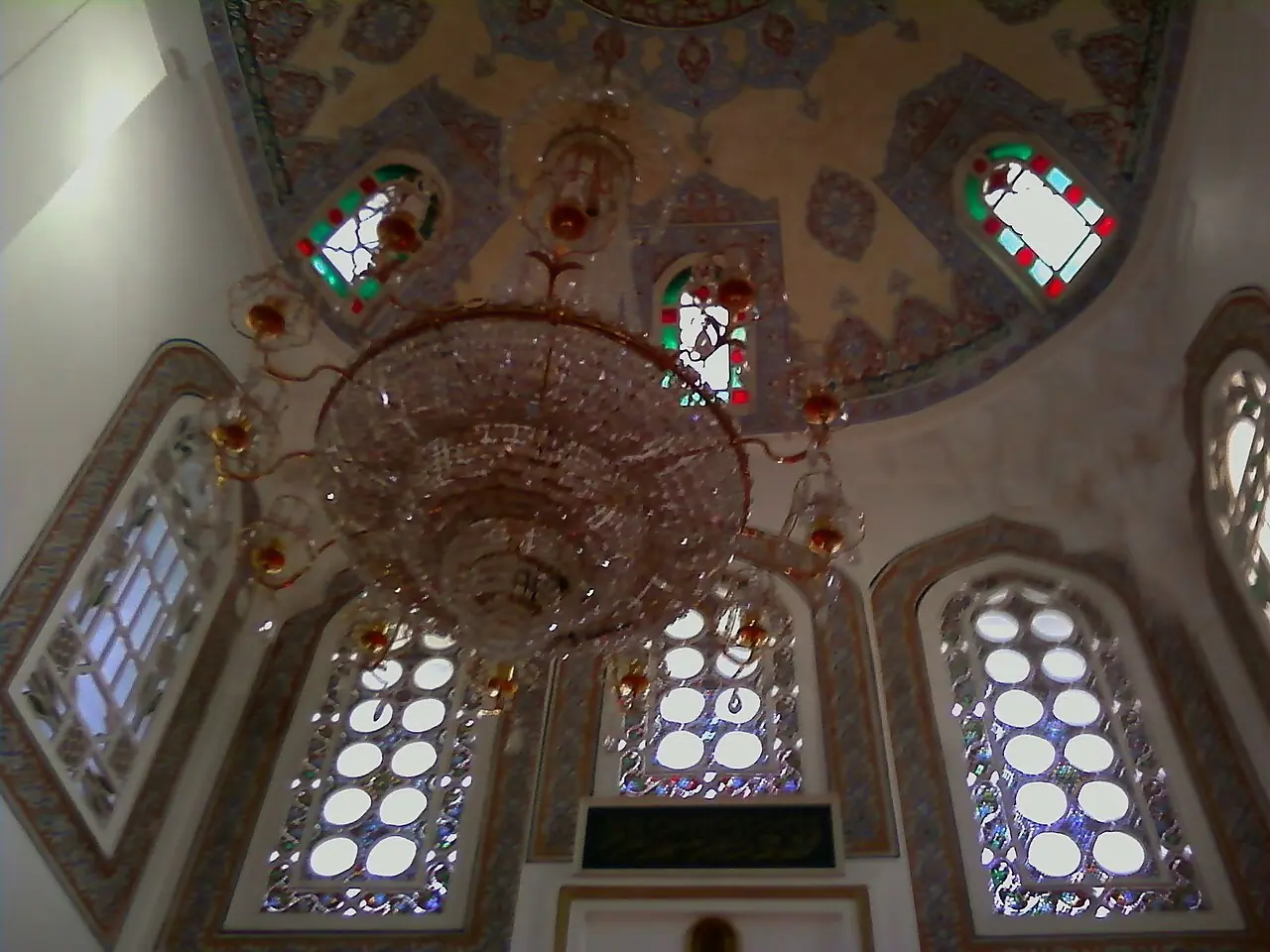
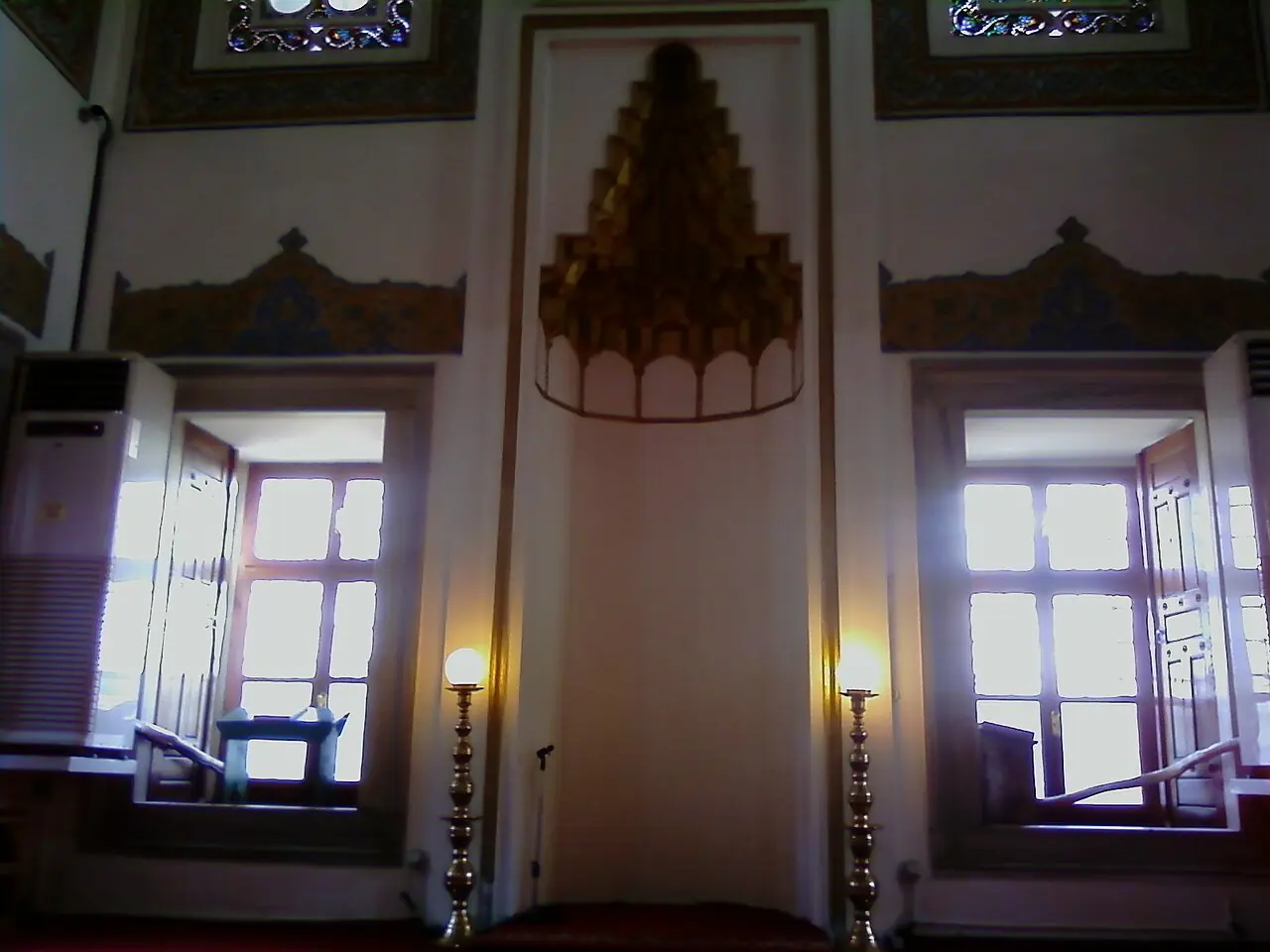
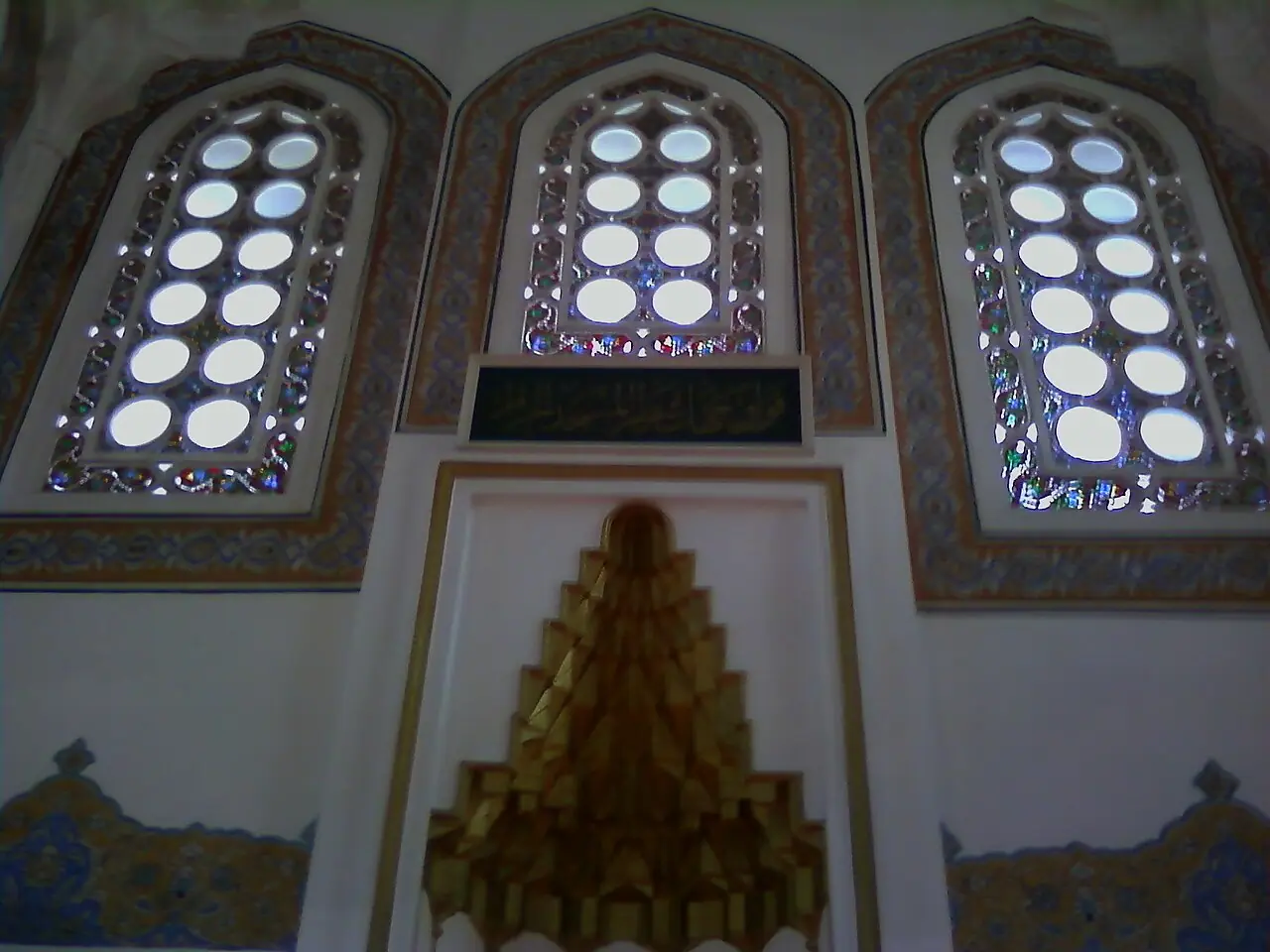
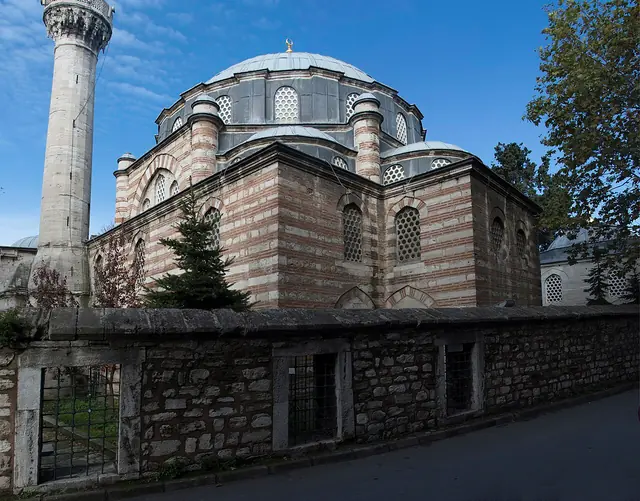
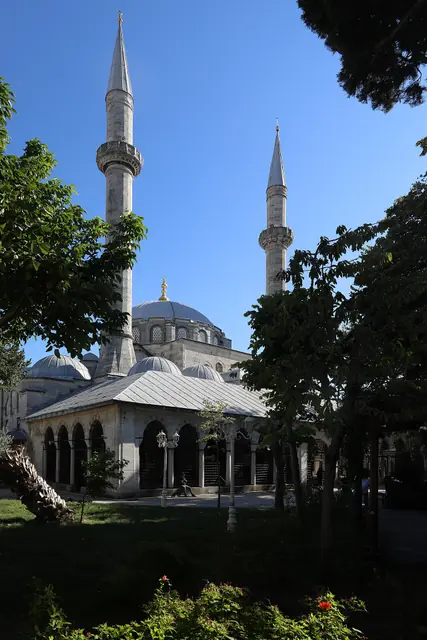
Sinan designed the mosque on a hexagonal plan: six piers arranged in a hexagonal configuration support a single central dome of 11.80 m in diameter, with five smaller domes surrounding it. The interior prayer space is divided into two sections — a main hall (18.90 × 16.40 m) and a mihrab projection (8.80 × 4.60 m). The mosque stands directly on the Bosphorus waterfront in the Fındıklı quarter, along Meclis-i Mebusan Avenue.
In Sinan's evolution
Mid-to-late career hexagonal baldaquin experiment (dates disputed: 1561–1584). Shares the six-pier structural type with the Sinan Pasha Beşiktaş mosque (1555, earliest example) and Kara Ahmed Pasha (1565–72). The extreme date uncertainty prevents precise placement in Sinan's evolutionary sequence.
Sinan Tree →Facts
- The mosque stands directly on the Bosphorus waterfront in Fındıklı — one of very few Sinan mosques with immediate access to the strait itself. gpsmycity.com
- The dates of construction are exceptionally contested: various inscriptions and sources give six different years (1561, 1565–66, 1571, 1581, 1589, and 'last quarter of the 16th century'), making this one of the least securely dated Sinan mosques in Istanbul. kulturelmiras.ibb.istanbul
- The hamam of the original complex, once among the busiest in Istanbul (its inscription dated to around 1561), was demolished in 1957 during the expansion of the Bosphorus coastal road. visitingistanbul.com
- The hexagonal six-pier dome-bearing system is part of Sinan's sequence of structural experiments with the hexagonal baldaquin type, shared with Sinan Pasha Beşiktaş (1555) and Kara Ahmed Pasha (1565–72). archnet.org
Photographs