Early Ottoman
Mahmud Pasha Mosque
1462–1464 · Fatih / Eminönü (Mahmutpaşa)
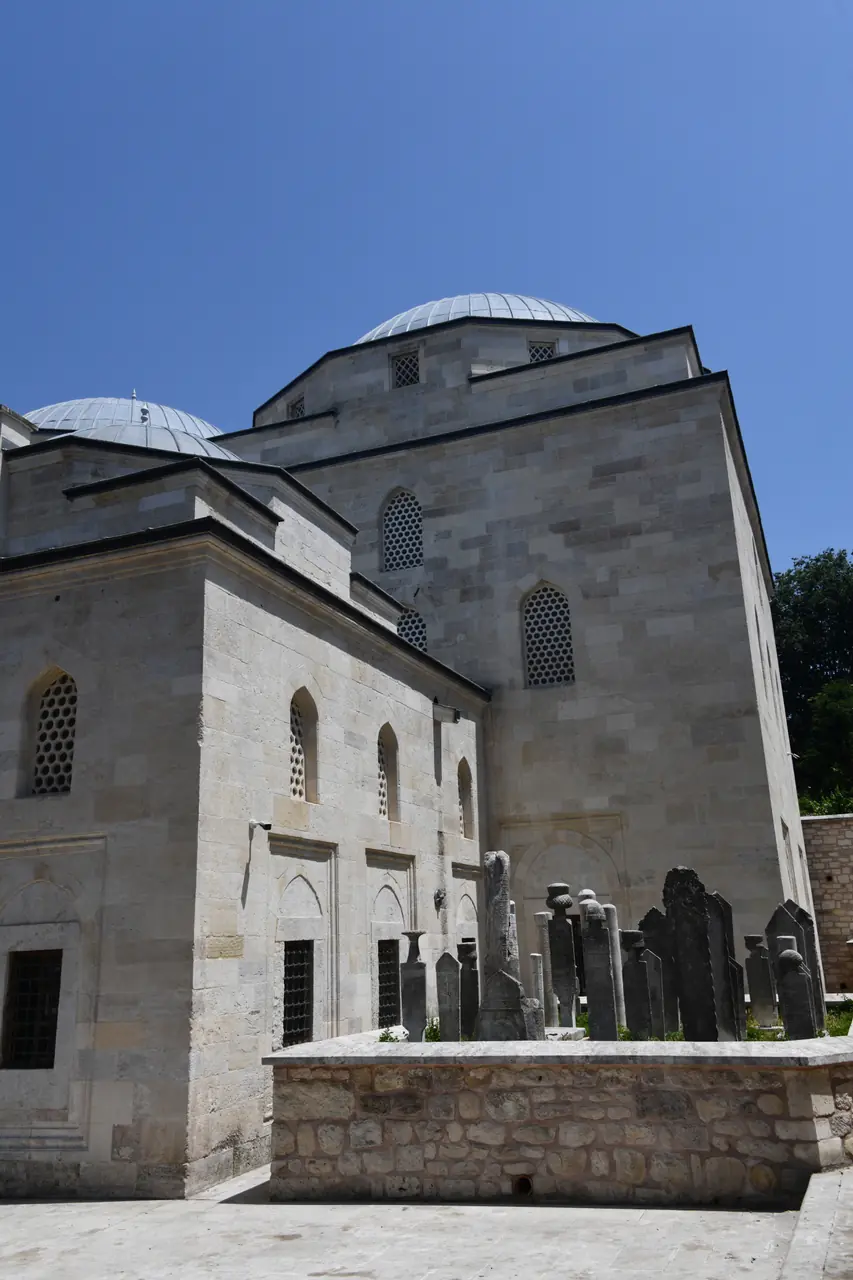
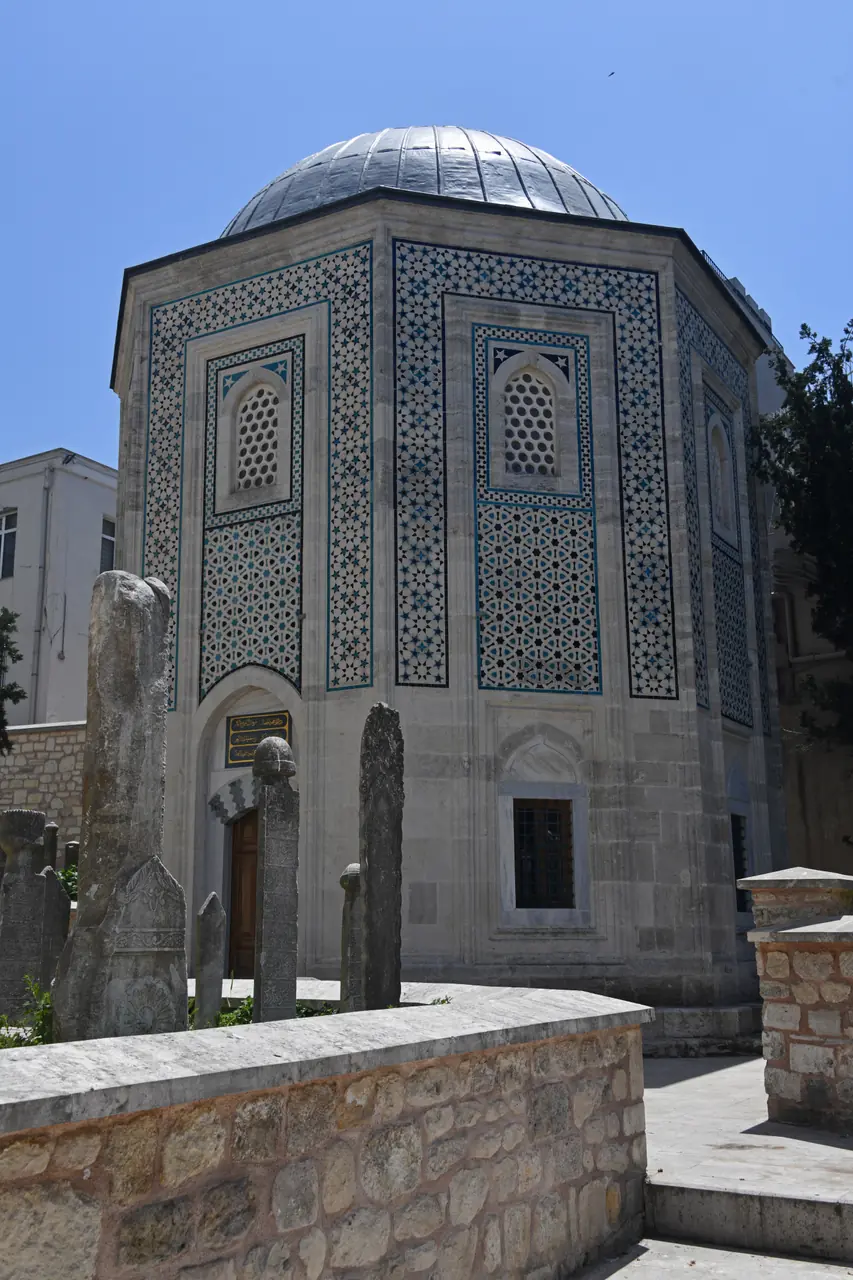
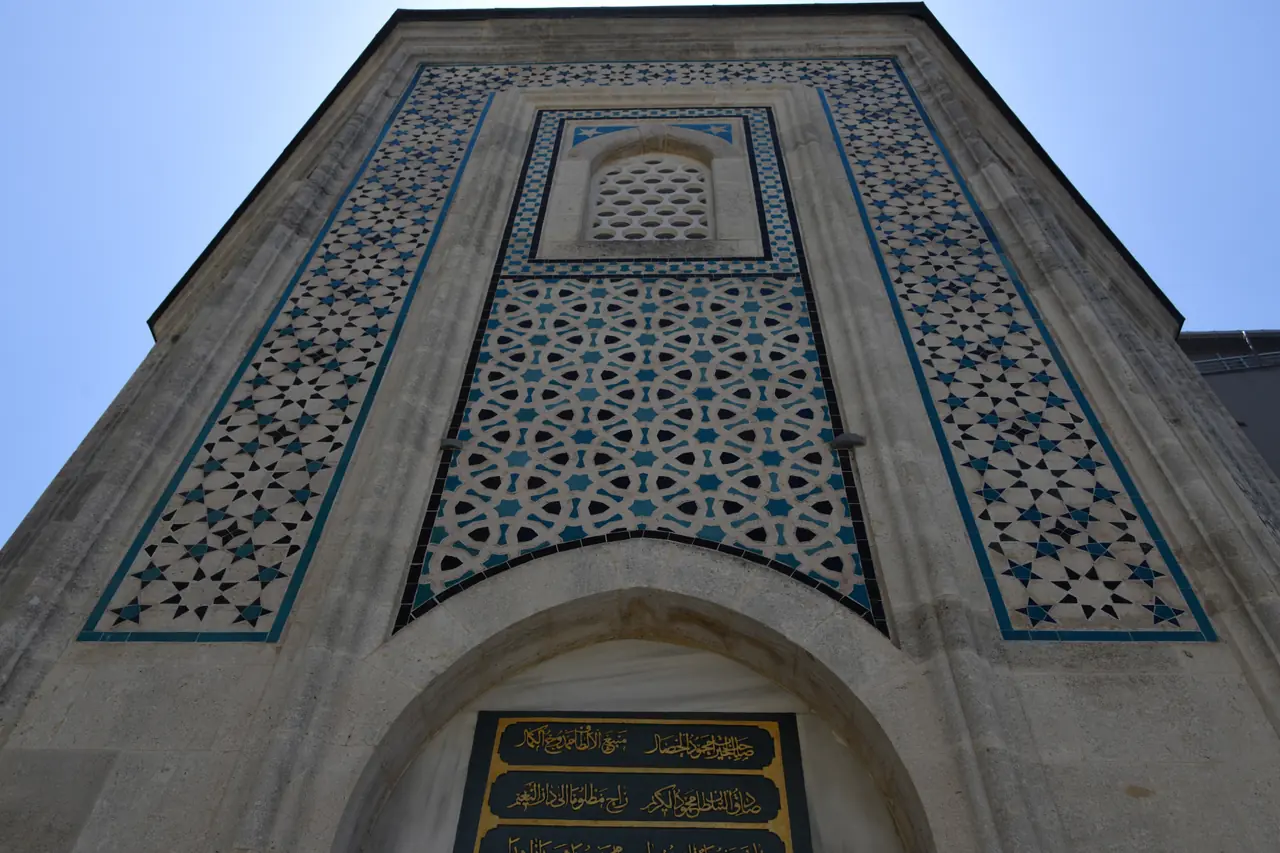
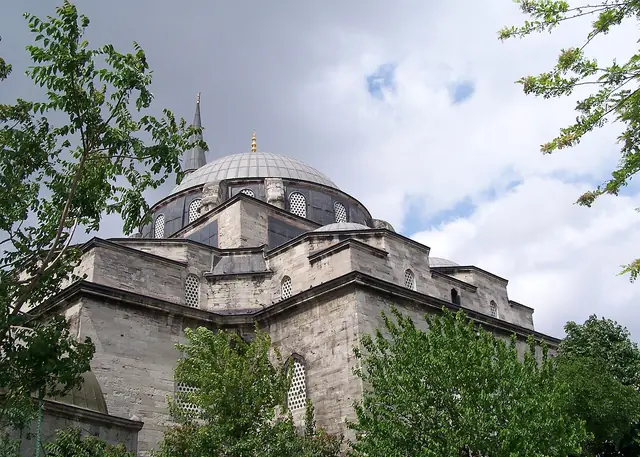
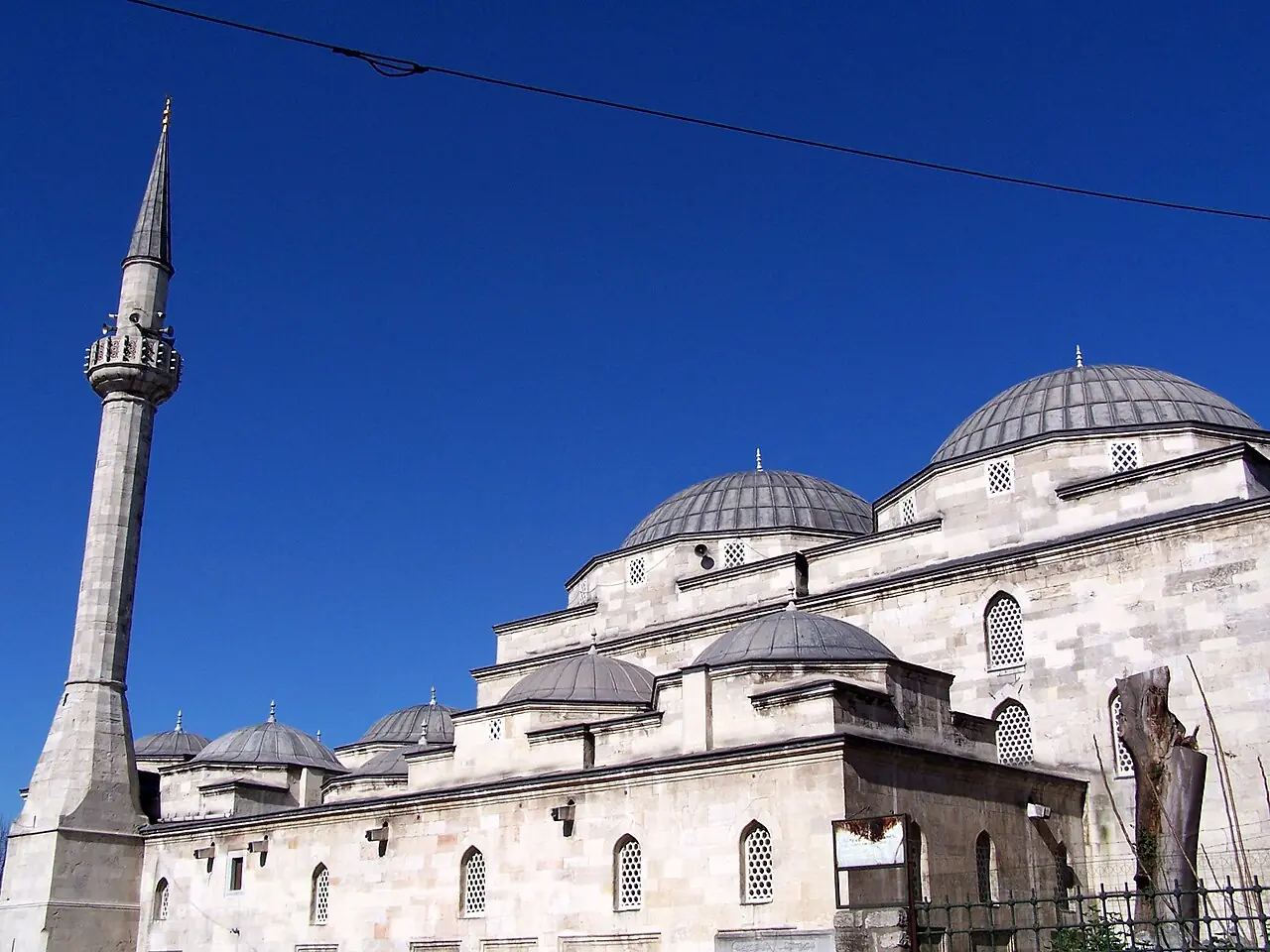
Among the oldest surviving Ottoman mosques in the city (1462–1464) and Istanbul's oldest grand-vizier mosque — an early T-plan with twin 12.5 m domes. The pasha's türbe is faced outside with turquoise-and-indigo tiles, the only such tomb in Ottoman Istanbul.
- Dome
- 12.5 m
- Minarets
- 1
- Built
- 1462–1464
- Architect
- Architect unknown
- Patron
- Mahmud Pasha Angelović, Grand Vizier of Sultan Mehmed II the Conqueror, of Byzantine Greek origin
- District
- Fatih / Eminönü (Mahmutpaşa)
History
Mahmud Pasha Mosque is the core of one of the first great charitable complexes raised in Istanbul right after the Ottoman conquest. It was built in 1462–1464 by Mahmud Pasha Angelović, Grand Vizier of Mehmed II the Conqueror — a man of Byzantine Greek nobility who converted to Islam and rose to be the second man in the state. The mosque was completed almost as the sultan's own Fatih Mosque was begun, so it counts among the oldest surviving Ottoman mosques in the city and the oldest grand-vizier mosque of Istanbul. The quarter around it — Mahmutpaşa — still bears the pasha's name and remains one of the main trading districts beside the Grand Bazaar. The mosque reopened in 2021 after a full restoration.
Architecture
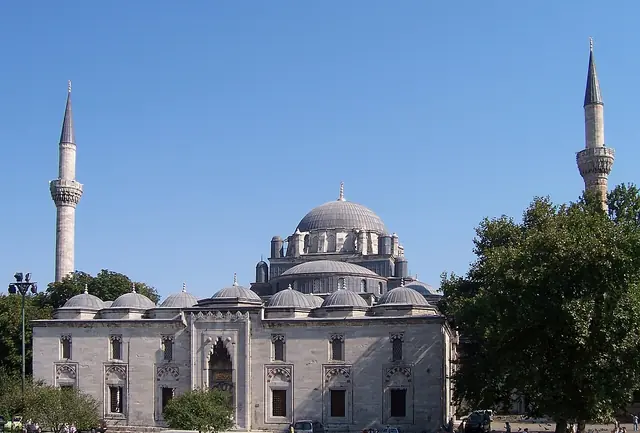
The building belongs to the early Ottoman 'Bursa' type with a longitudinal T-plan ('zaviye'): the main prayer hall is covered by two identical domes 12.5 metres across set one behind the other, with tabhane side rooms for travelling dervishes flanking it. The massive walls of precisely cut stone and the restrained mass show building practice a generation before Sinan, still close to the models of Bursa and Edirne. The mosque has a single minaret; its outer porch, damaged by an 18th-century earthquake, was rebuilt. The complex's highlight is the octagonal türbe of Mahmud Pasha (1473–1474): its outer walls are entirely faced with tiles in geometric patterns of turquoise and indigo — the only such tiled façade in the Ottoman architecture of Istanbul.
Facts
- One of the oldest surviving Ottoman mosques in the city — built in 1462–1464, almost as the sultan's Fatih Mosque was begun. en.wikipedia.org
- Commissioned by Mahmud Pasha Angelović, Grand Vizier of Mehmed II, of Byzantine Greek origin, who rose to be the second man in the empire. en.wikipedia.org
- Early Ottoman 'Bursa' T-plan: the main hall covered by two identical domes 12.5 m across, with tabhane side rooms. en.wikipedia.org
- The pasha's octagonal türbe (1473–1474) is faced outside with tiles in turquoise and indigo — the only such tiled façade in the Ottoman architecture of Istanbul. en.wikipedia.org
- The mosque anchored a large külliye: a hammam (1466), the Kürkçü Han caravanserai (1467), a madrasa, an imaret, a mahkeme and an elementary school; the Mahmutpaşa quarter by the Grand Bazaar carries the pasha's name. en.wikipedia.org
Photographs