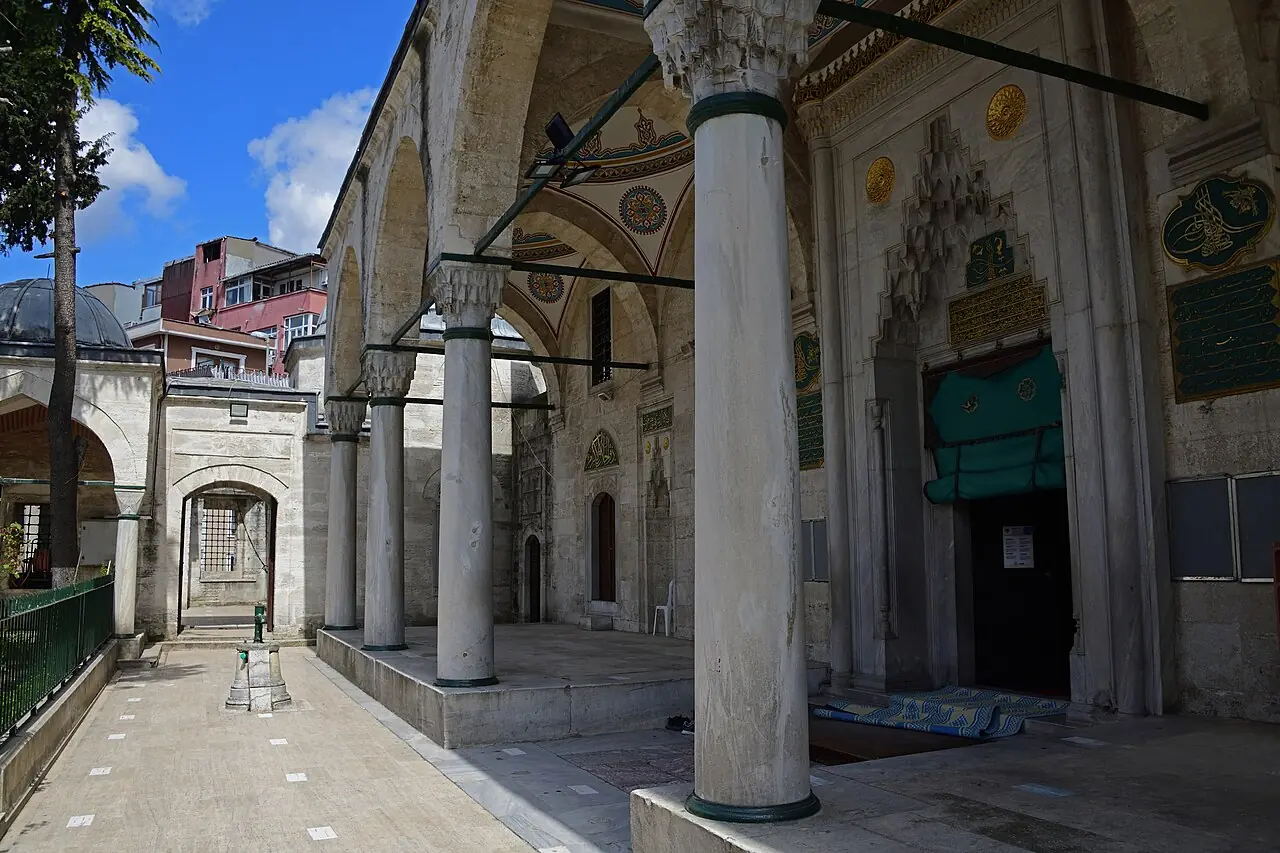
Sinan / Classical
Nişancı Mehmed Pasha Mosque
1584–1589 · Fatih / Karagümrük
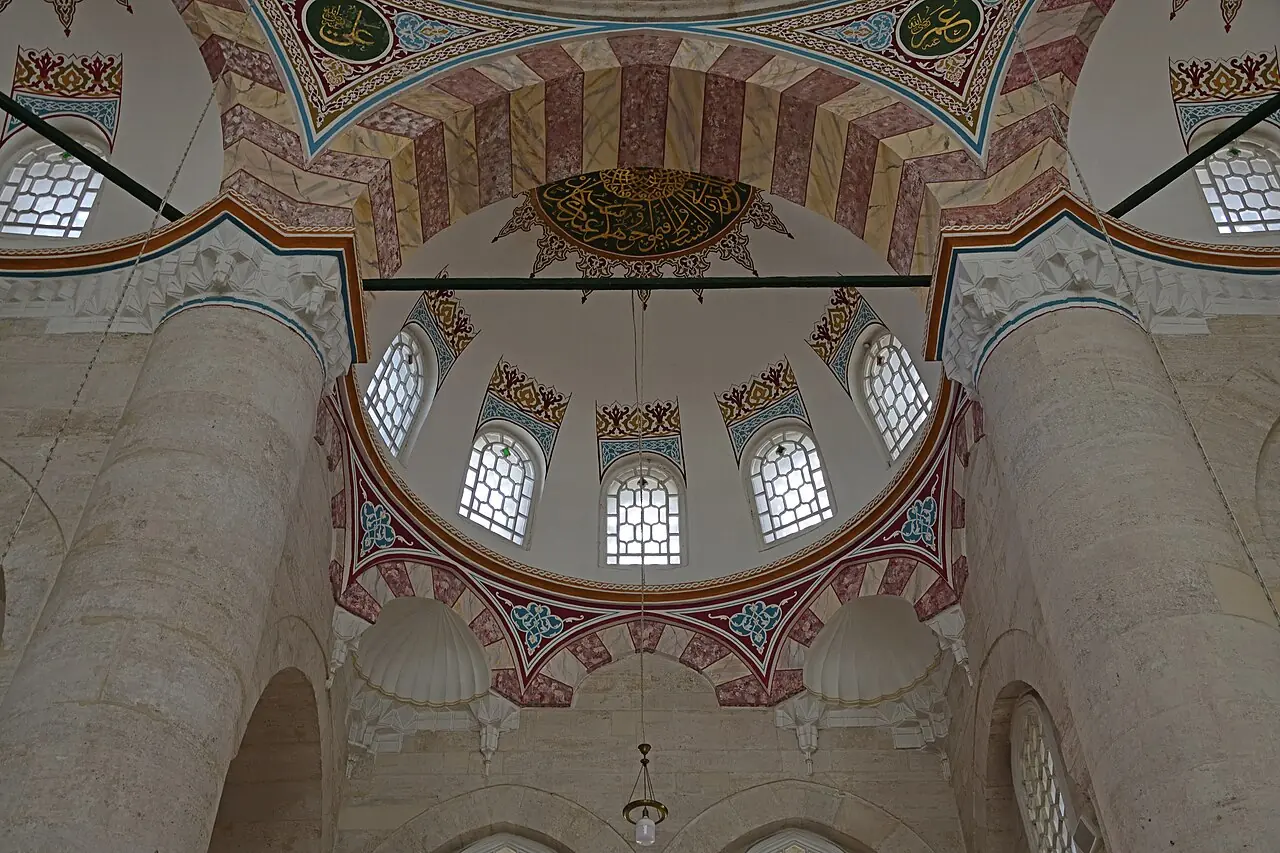
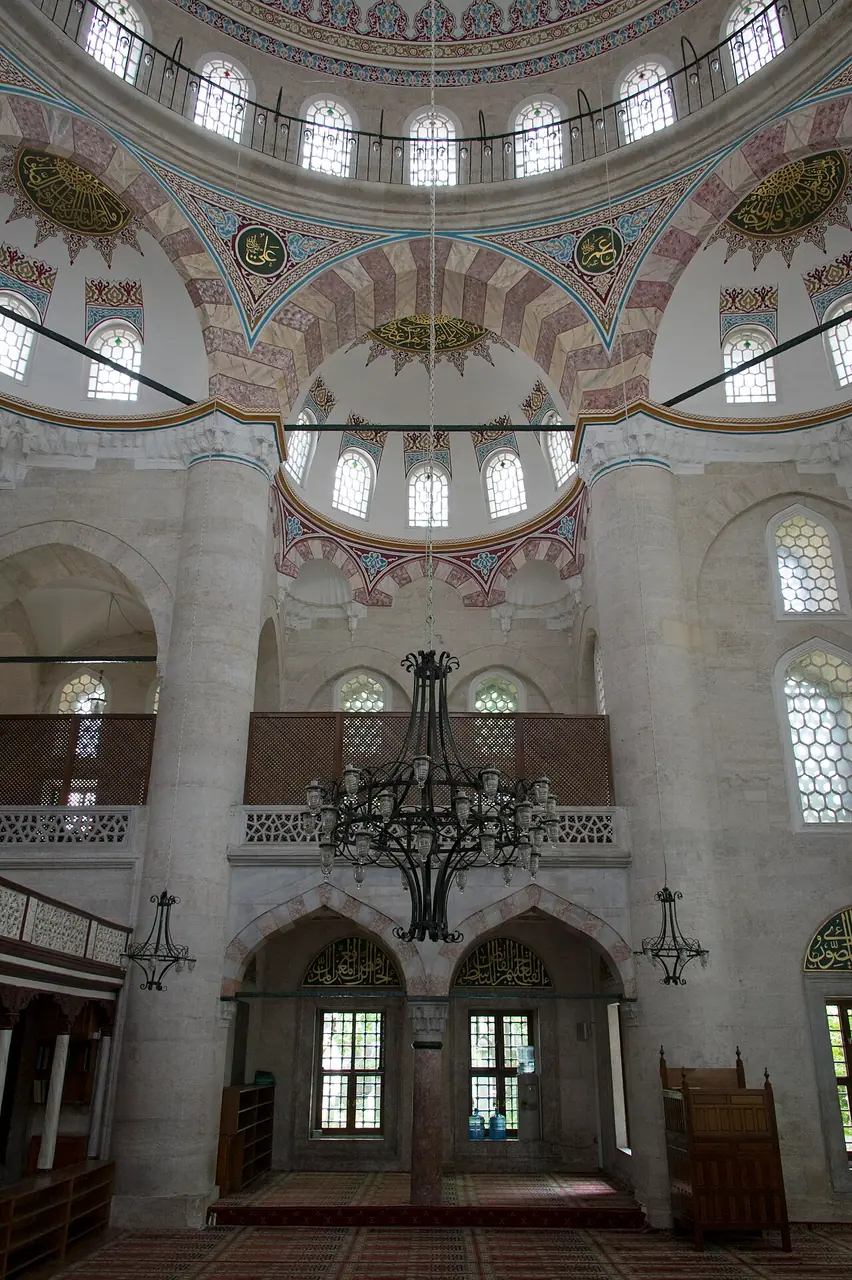
Octagonal eight-pier baldaquin with four squinches and four half-domes — Sinan's most structurally complex late experiment; the second-largest non-dynastic dome in Istanbul (14.2 m); and a building whose architect is genuinely disputed, as Sinan died one year before its completion.
- Dome
- 14.2 m
- Minarets
- 1
- Built
- 1584–1589
- Architect
- Mimar Sinan
- Patron
- Nişancı Mehmed Pasha
- District
- Fatih / Karagümrük
History
The mosque was commissioned by Nişancı Mehmed Pasha, an Ottoman official who rose through the imperial chancery to become chancellor (nişancı — keeper of the imperial cipher, or tuğra) in 1567, the title from which he and the mosque take their name. He subsequently served as governor of Aleppo (~1574–76) and as vizier under Sultan Murad III from 1580. According to the inscription at the entrance, the mosque was built from 1584 to 1589. Mimar Sinan died in 1588 during the construction period; historians Godfrey Goodwin and Doğan Kuban have argued that the building was completed by Sinan's assistant Davud Agha, who himself later became chief imperial architect.
Architecture
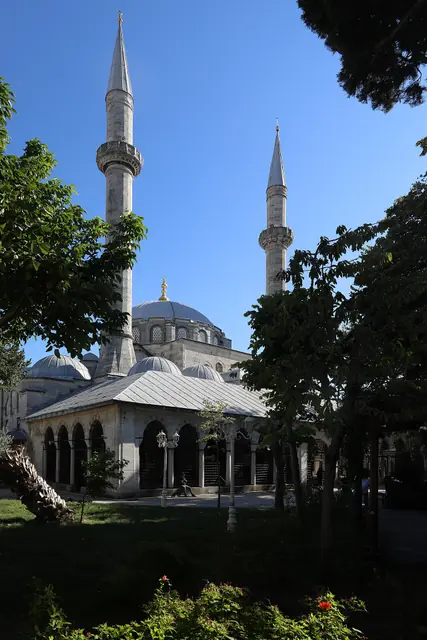
The prayer hall is covered by a single large dome of 14.2 m diameter, supported by an octagonal baldaquin of eight pillars. The transition from the dome to the octagonal support is accomplished by four squinches (exedrae) in the corners and four half-domes on the sides. The floor plan has a distinctive stepped profile on the qibla side, where the support pillars are integrated directly into the outer walls rather than standing free. The patron's tomb still stands on the northeast side of the courtyard; most of the rest of the complex (two madrasas and a tekke) has been lost. The attribution is debated: the mosque is missing from the Tezkiretü'l-Ebniye and the Tezkiretü'l-Bünyan yet named in the Tuhfetü'l-mi'mârîn, and Evliya Çelebi took it for Sinan's work. On grounds of style and dating, Aptullah Kuran and Doğan Kuban assign it to Davud Ağa: Sinan died in 1588 and the work was finished in 1589. Necipoğlu allows that the design was begun under Sinan and carried through by his successor.
In Sinan's evolution
Very late career / posthumous (1584–89, completed 1589, one year after Sinan's death in 1588). The octagonal baldaquin represents the structural frontier of Sinan's experimentation — beyond the hexagonal system of his middle period. Attribution to Sinan himself is contested: Goodwin and Kuban argue for Davud Agha as the executing architect. If Sinan, this is among his final designed works; if Davud Agha, it represents the next generation's continuation of Sinan's structural vocabulary.
Sinan Tree →Facts
- The dome diameter of 14.2 m makes this the second-largest dome for a non-dynastic (non-royal) mosque in Istanbul, after Rüstem Pasha Mosque (~15.2 m). en.wikipedia.org
- The octagonal baldaquin (eight pillars, four squinches, four half-domes) represents the most structurally complex experiment in Sinan's late career, distinct from the hexagonal six-pier system of his earlier mosques such as Sinan Pasha Beşiktaş and Kara Ahmed Pasha. researchgate.net
- Sinan died in 1588, one year before the mosque's completion. Historians Godfrey Goodwin and Doğan Kuban argue that construction was completed by Sinan's assistants — either Davud Agha or Mehmed Agha — both of whom later became chief imperial architects in their own right. en.wikipedia.org
- 'Nişancı' means keeper of the imperial tuğra — the official who authenticated all imperial edicts by drawing the sultan's monogram. The mosque is thus named after an administrative title, not a personal name. en.wikipedia.org
Photographs