Late Ottoman / Baroque
Nusretiye Mosque
1823–1826 · Beyoğlu / Tophane
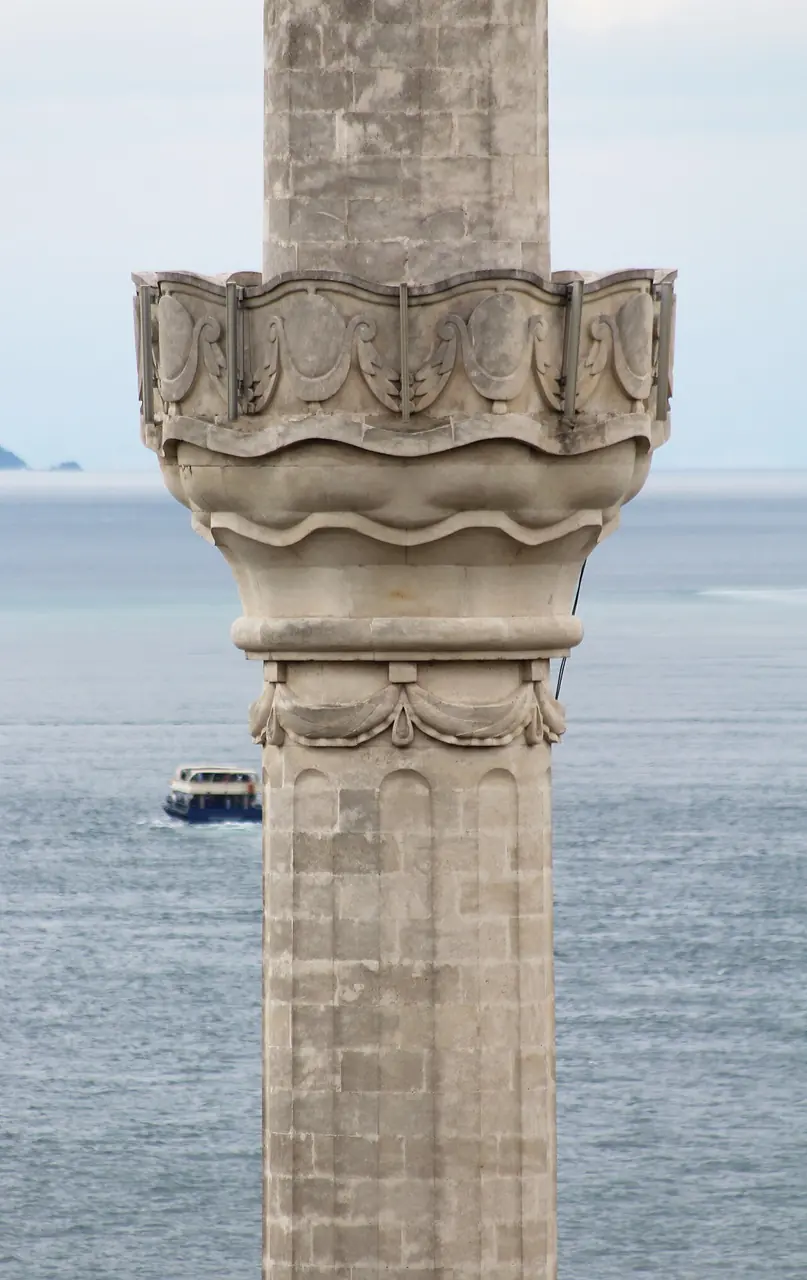
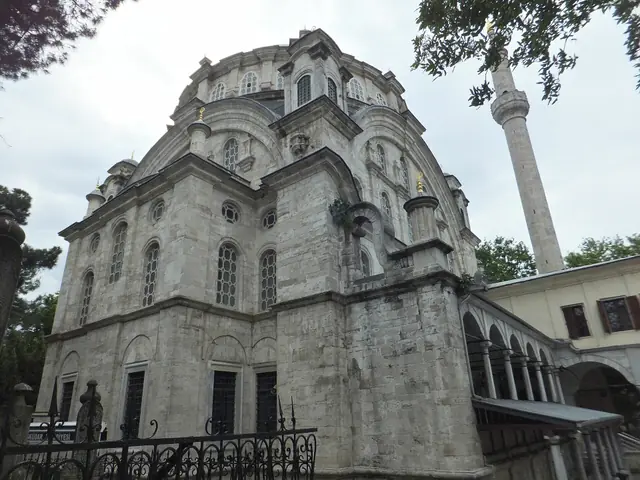
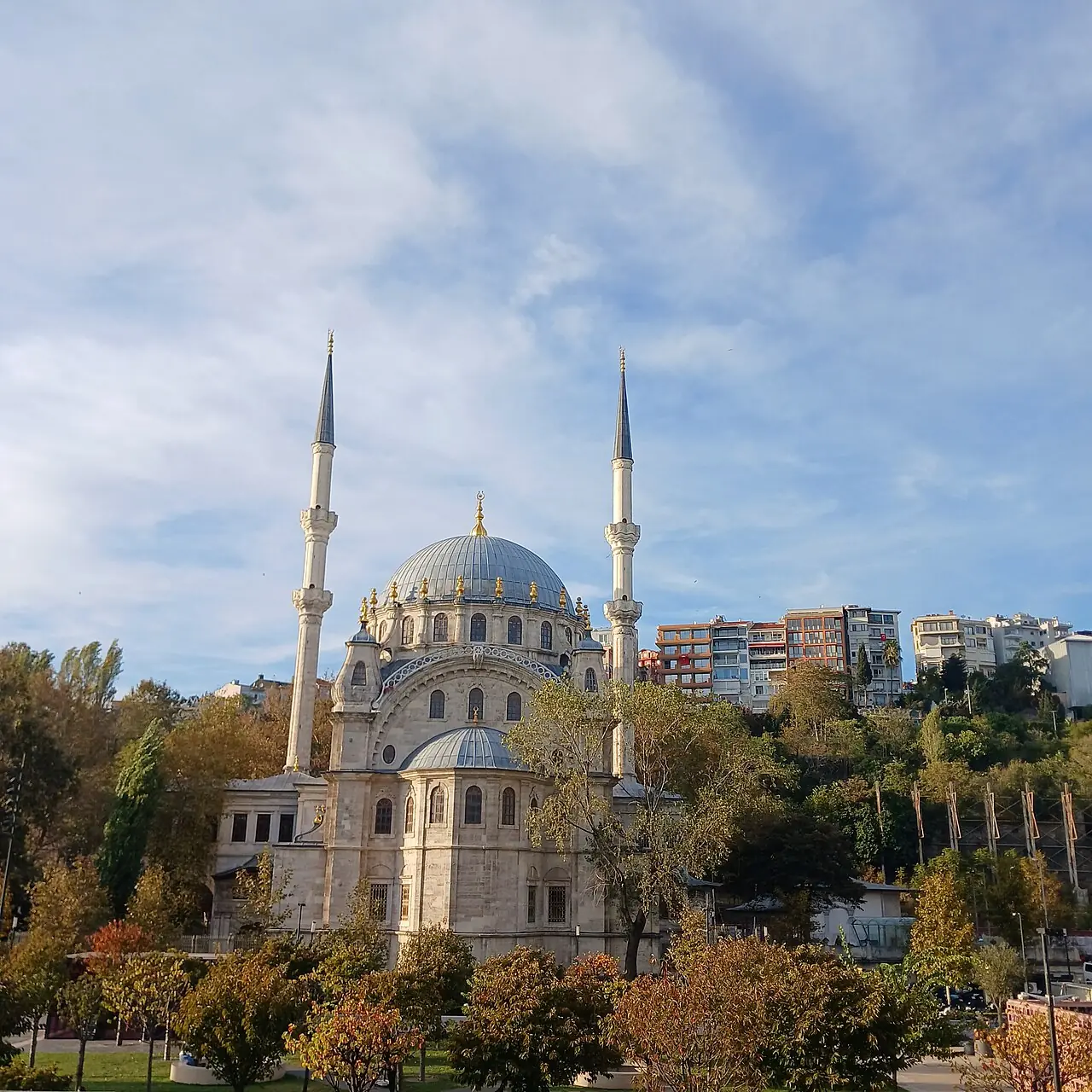
Mahmud II's 'Mosque of Victory' (1823–26) at Tophane, named for the 1826 abolition of the Janissaries. The first major imperial work of Krikor Balyan, founder of the Armenian Balyan dynasty; famed for two exceptionally tall, slender minarets.
- Dome
- 15 m
- Height
- 33 m
- Minarets
- 2
- Built
- 1823–1826
- Architect
- Krikor Balyan
- Patron
- Mahmud II
- District
- Beyoğlu / Tophane
History
The Nusretiye Mosque ('the Mosque of Victory') was built at Tophane for Sultan Mahmud II between 1823 and 1826, as part of rebuilding the artillery barracks that had burned in the Firuzağa fire. Its name commemorates Mahmud's 'victory' — the destruction of the Janissary corps in 1826, the year of the mosque's completion, which opened the reform era. It is the first major imperial work of Krikor Balyan (1764–1831), the first of nine architects of the Armenian Balyan family who shaped Ottoman architecture throughout the nineteenth century. Nusretiye stands at the Bosphorus shore, today within the Galataport quarter; the famous Tophane cannon foundry stood nearby, along with a clock tower added later.
Architecture
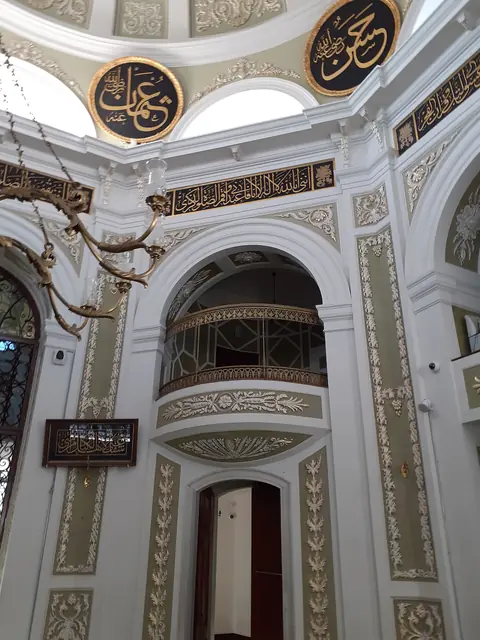
The prayer hall is covered by a dome about 15 m in diameter (some 33 m high), resting on semi-domes and a system of weight-turrets. Scholars Godfrey Goodwin and Doğan Kuban classify Nusretiye among the last Ottoman Baroque mosques, though its decoration already edges toward the Empire style. Its signature is verticality: two exceptionally tall, slender minarets of markedly elongated proportions, richly decorated façades, undulating cornices, and carved marble. Large windows give a bright interior with rich calligraphy. The building is read as a transitional monument between the classical 18th-century Baroque and the mid-19th-century Balyan eclecticism of Dolmabahçe and Ortaköy.
Facts
- The name 'Nusretiye' ('Victory') commemorates Mahmud II's destruction of the Janissary corps in 1826 — the year the mosque was completed. en.wikipedia.org
- The first major imperial work of Krikor Balyan — the first of nine architects of the Armenian Balyan family to serve the Ottomans. en.wikipedia.org
- Built 1823–1826 for Mahmud II while rebuilding the burned Tophane barracks. archnet.org
- Goodwin and Kuban classify it among the last Ottoman Baroque mosques, with Empire-style elements. en.wikipedia.org
- Two exceptionally tall, slender minarets give the vertical accent that makes the mosque stand out on the Bosphorus shore. galataport.com
Photographs