Sinan / Classical
Çinili Mosque
1638–1640 · Üsküdar / Çinili
A tiny jewel-box mosque sheathed almost entirely in glowing blue-and-turquoise Kütahya tiles — one of the last masterpieces of classical Ottoman tilework, hidden in the Üsküdar hills.
- Dome
- 9 m
- Minarets
- 1
- Built
- 1638–1640
- Architect
- Kasım Ağa (attributed)
- Patron
- Kösem Sultan (Mahpeyker Valide Sultan)
- District
- Üsküdar / Çinili
History
The Çinili Mosque ("Tiled Mosque") in Üsküdar was commissioned by Kösem Sultan (Mahpeyker Valide Sultan), the wife of Sultan Ahmed I and mother of sultans Murad IV and Ibrahim. Construction took place around 1638–1640 (1050 AH). It is a small mosque that became the heart of a complex (külliye) of the same name. The endowment that supported it drew revenue from buildings such as the Büyük Valide Han, a large caravanserai near the Grand Bazaar. The mosque was restored during the 20th century, with the most recent restoration completed in 2018.
Architecture
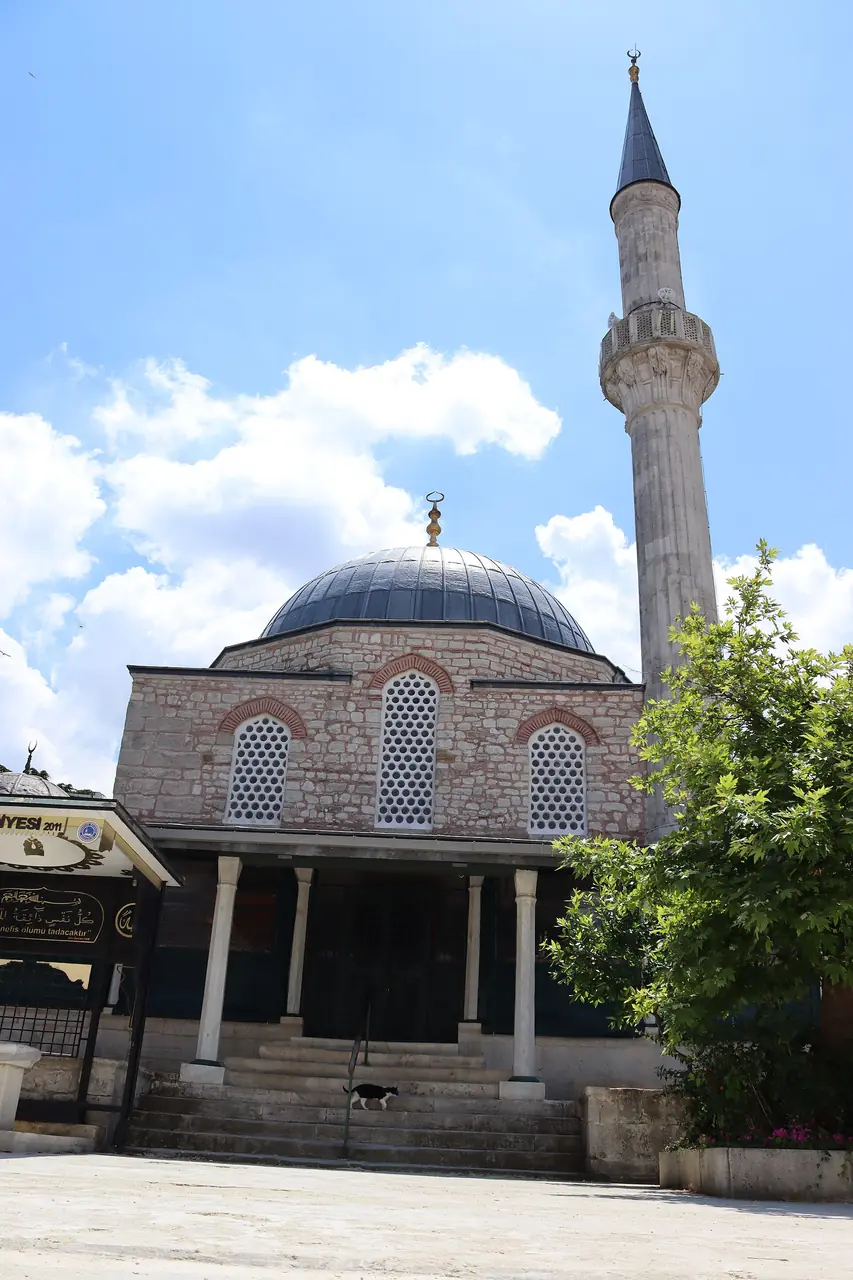
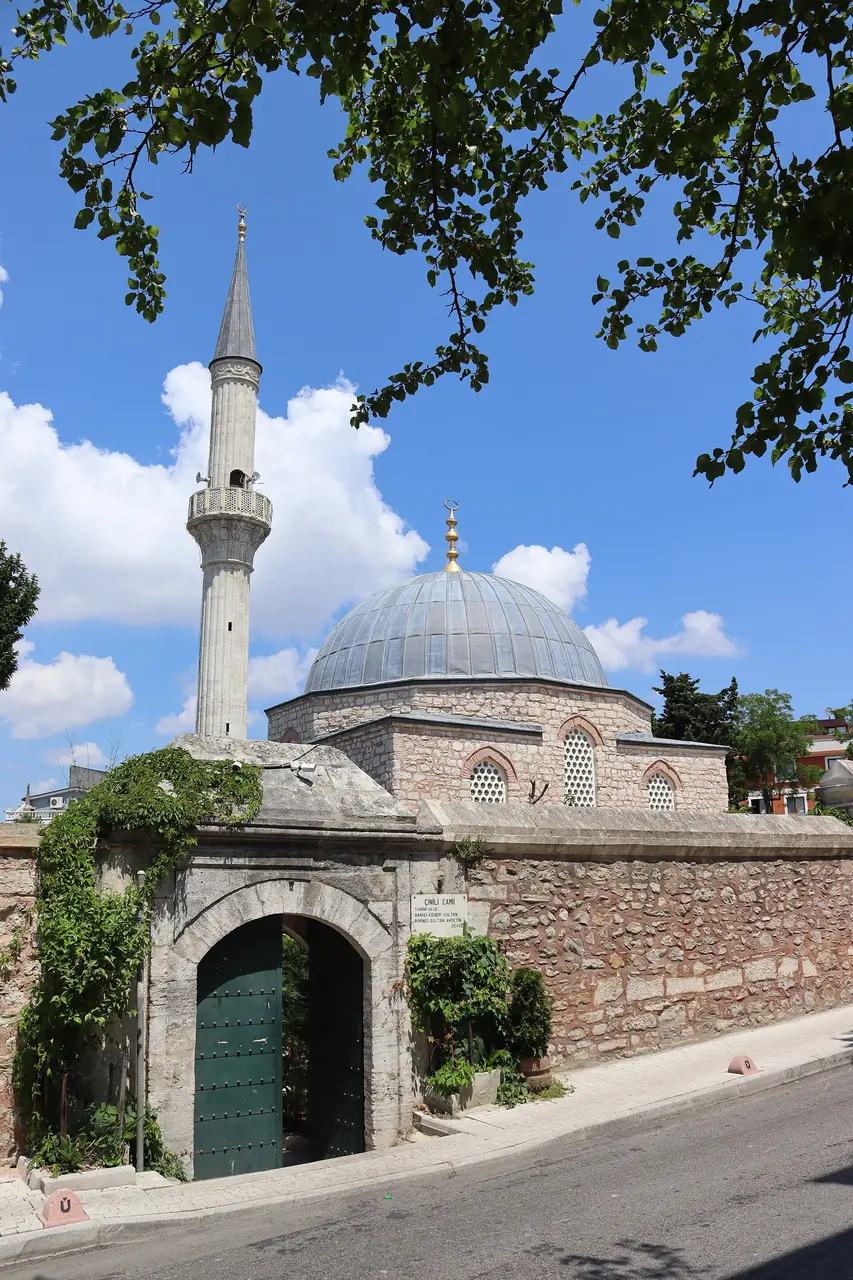
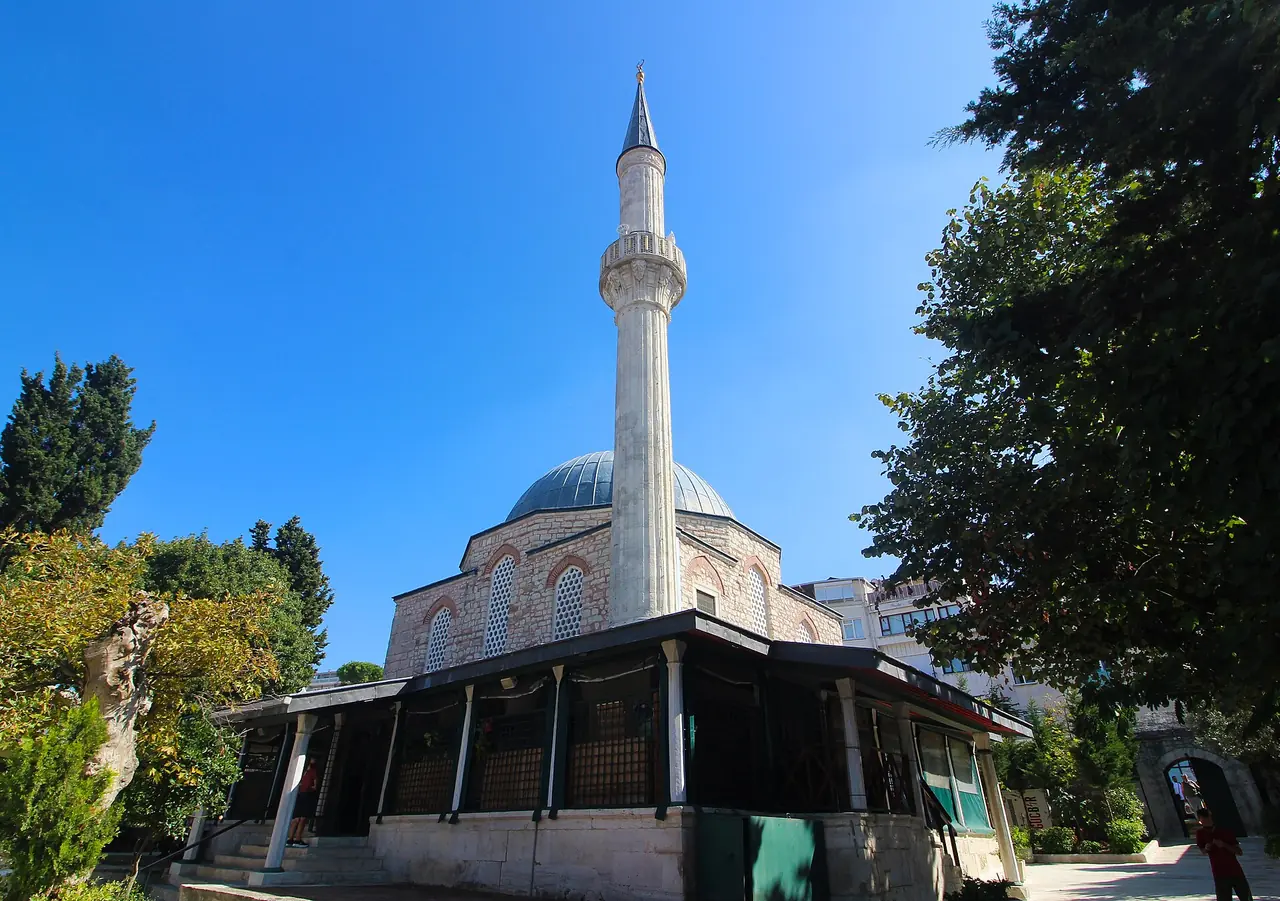
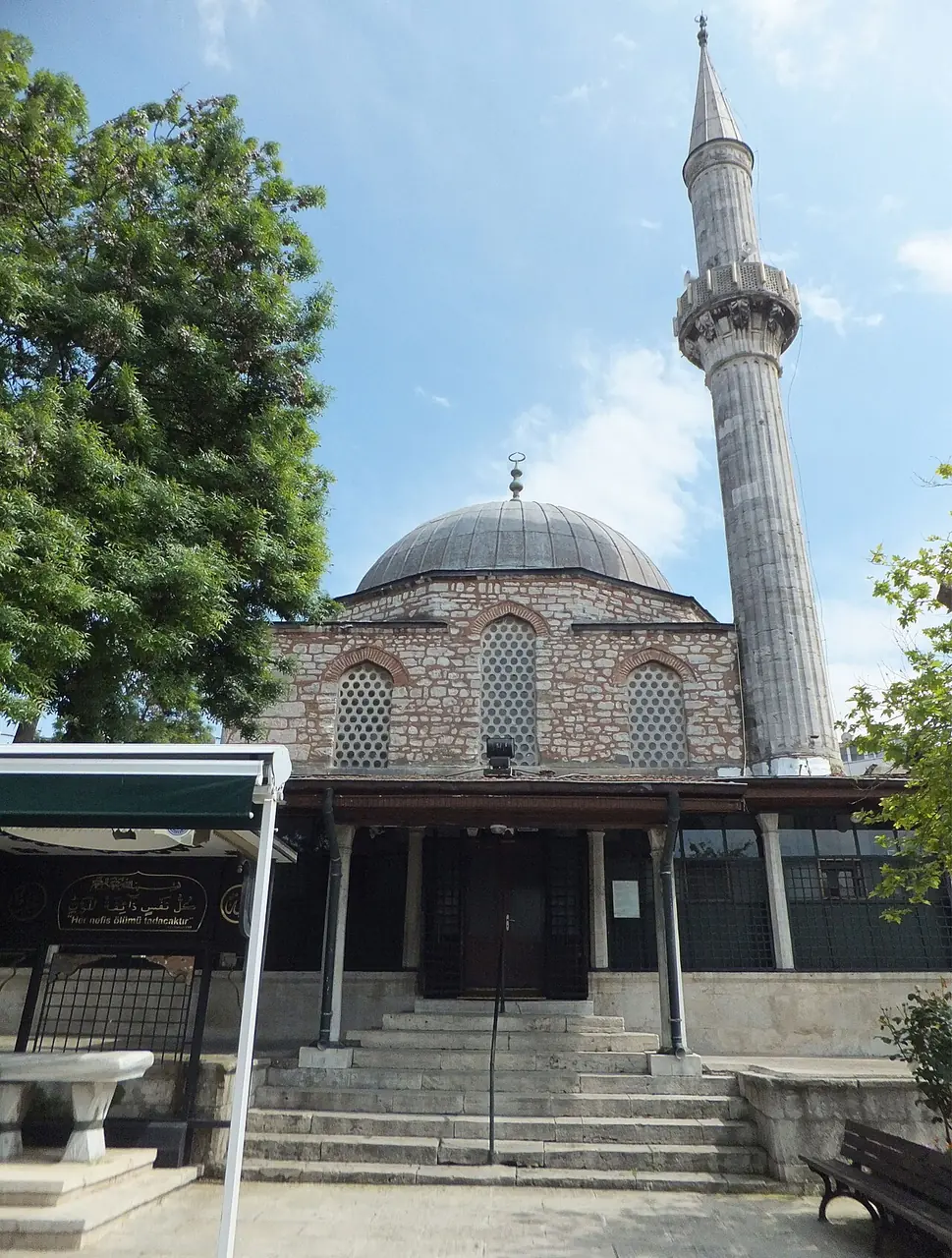
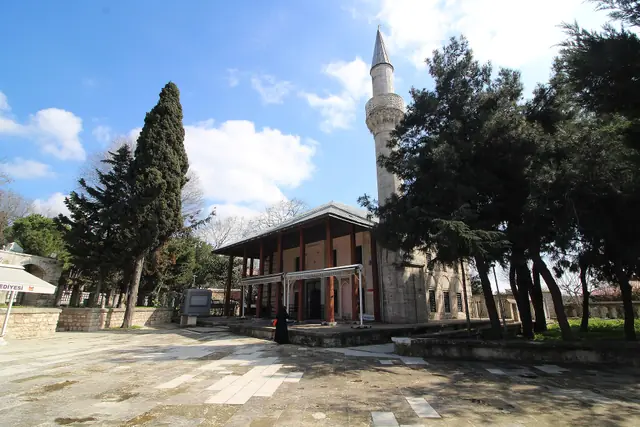
The mosque has a compact square plan covered by a single dome roughly 9 metres in diameter, raised on a platform because of the sloping terrain. A wooden-roofed portico on marble columns wraps three of its sides; the portico and minaret are later Baroque-era additions. Its defining feature is the tile revetment produced by the Kütahya workshops, dominated by blue, turquoise and green. The floral motifs include tulips, carnations, peonies and hyacinths, alongside inscription friezes. The mosque has a single minaret. Kasım Ağa is named as architect by virtue of his office — he was chief court architect in those years — and no document confirms the attribution.
Facts
- The mosque was commissioned by Kösem Sultan, mother of sultans Murad IV and Ibrahim, around 1640. en.wikipedia.org
- The complex's chief architect is held to be Kasım Ağa, the chief imperial architect of the period, though the attribution is given as a supposition. islamansiklopedisi.org.tr
- The tiles are Kütahya work in underglaze technique, in blue, turquoise and green with carnations, tulips and hyacinths on a white ground. islamansiklopedisi.org.tr
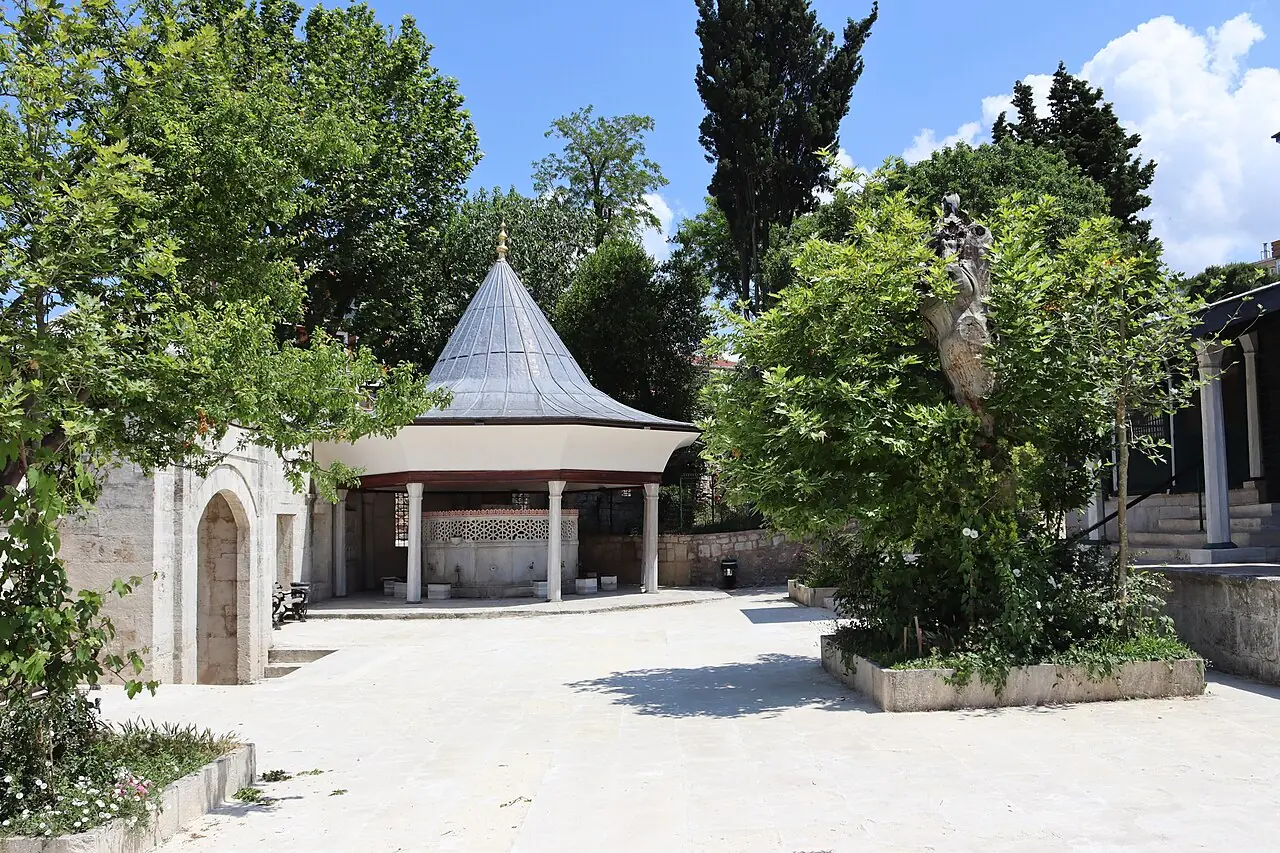
- The külliye includes the mosque, a medrese, a sebil, a şadırvan, a primary school (mektep), a double hammam and a çeşme. islamansiklopedisi.org.tr
- The mosque has a single fluted, single-balconied minaret, a later Baroque-period addition. en.wikipedia.org
Photographs


_DSCF4374.jpg)
