Early Ottoman · Sinan
Tercüman Yunus Bey Mosque (Draman)
1541–1542 · Fatih / Draman
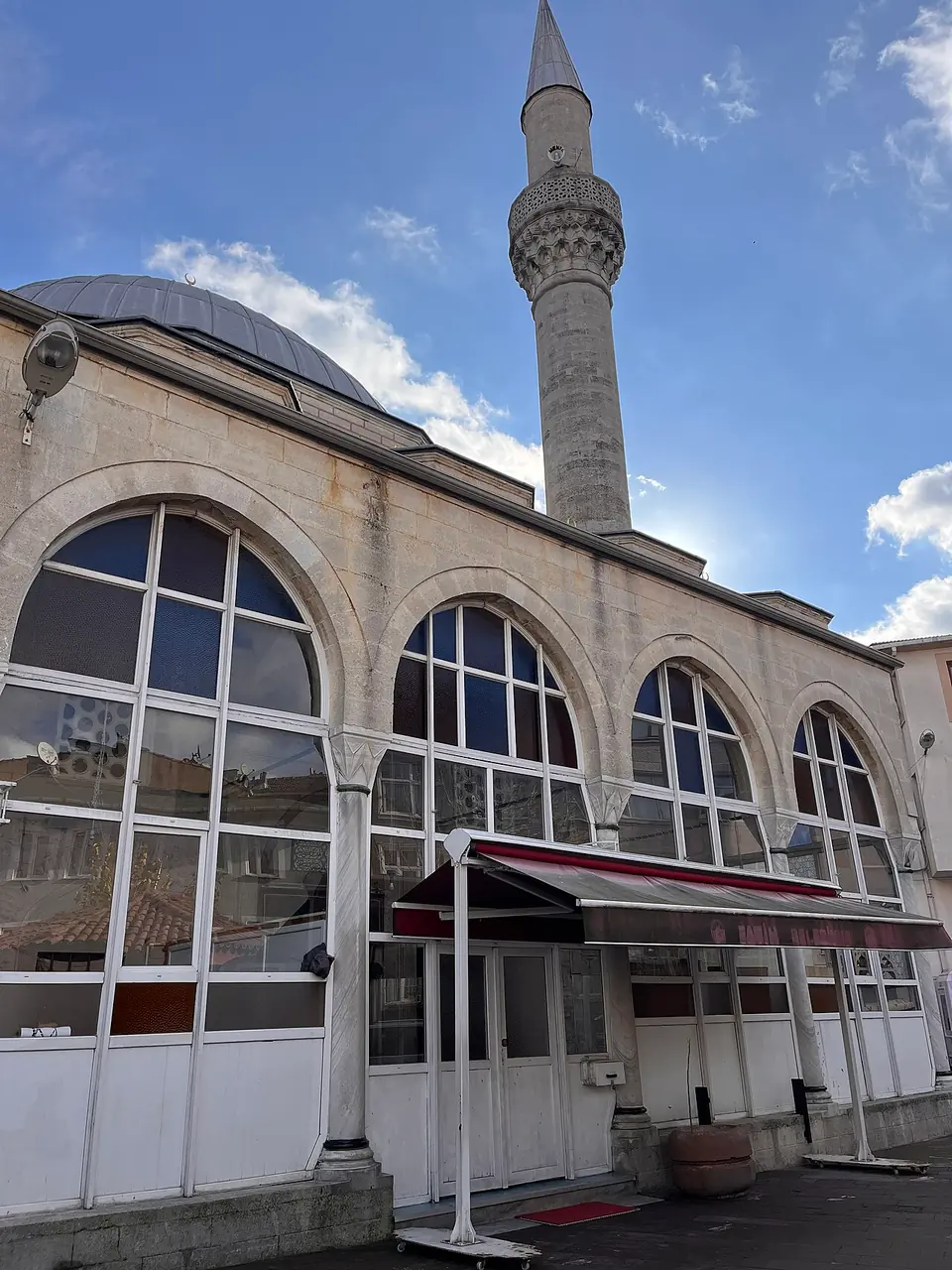
Founded by the court's polyglot chief dragoman — the 'dragomans' mosque'. A living tradition among Turkish diplomats of visiting here on first appointment. Unusual two-storey northern portico with an upper-level women's gallery, rare in Sinan's smaller early works.
- Minarets
- 1
- Built
- 1541–1542
- Architect
- Mimar Sinan
- Patron
- Yunus Bey — chief dragoman (interpreter) of the Ottoman court
- District
- Fatih / Draman
History
The Tercüman Yunus Bey Mosque (also known as Draman Yunus Camii) was founded in 948 AH (1541–42) by Yunus Bey, chief dragoman (interpreter) of the Ottoman court under Süleyman the Magnificent. A Greek-born polyglot, Yunus Bey read and spoke Turkish, Greek, Latin, Italian, Arabic, and Persian, and — according to the French memorialist Pierre de Bourdeille — Armenian, Hungarian, Serbian, Tatar, Hebrew and several other languages. Because of this, the mosque became informally the 'diplomats' mosque': a tradition survives in which newly appointed Turkish Foreign Ministry officers pay their first visit here. Yunus Bey died during construction in 1541–42; the complex was completed by his brother Mustafa Agha. The original külliye included the mosque-tekke, madrasa, an elementary school (mektep), a Qur'an school, and dervish cells. The mosque appears in Sinan's tezkerets (autobiographies), firmly attributing it to him. It stands in the Draman (historical Balat) quarter of the Fatih district, on Derviş Ali Street.
Architecture
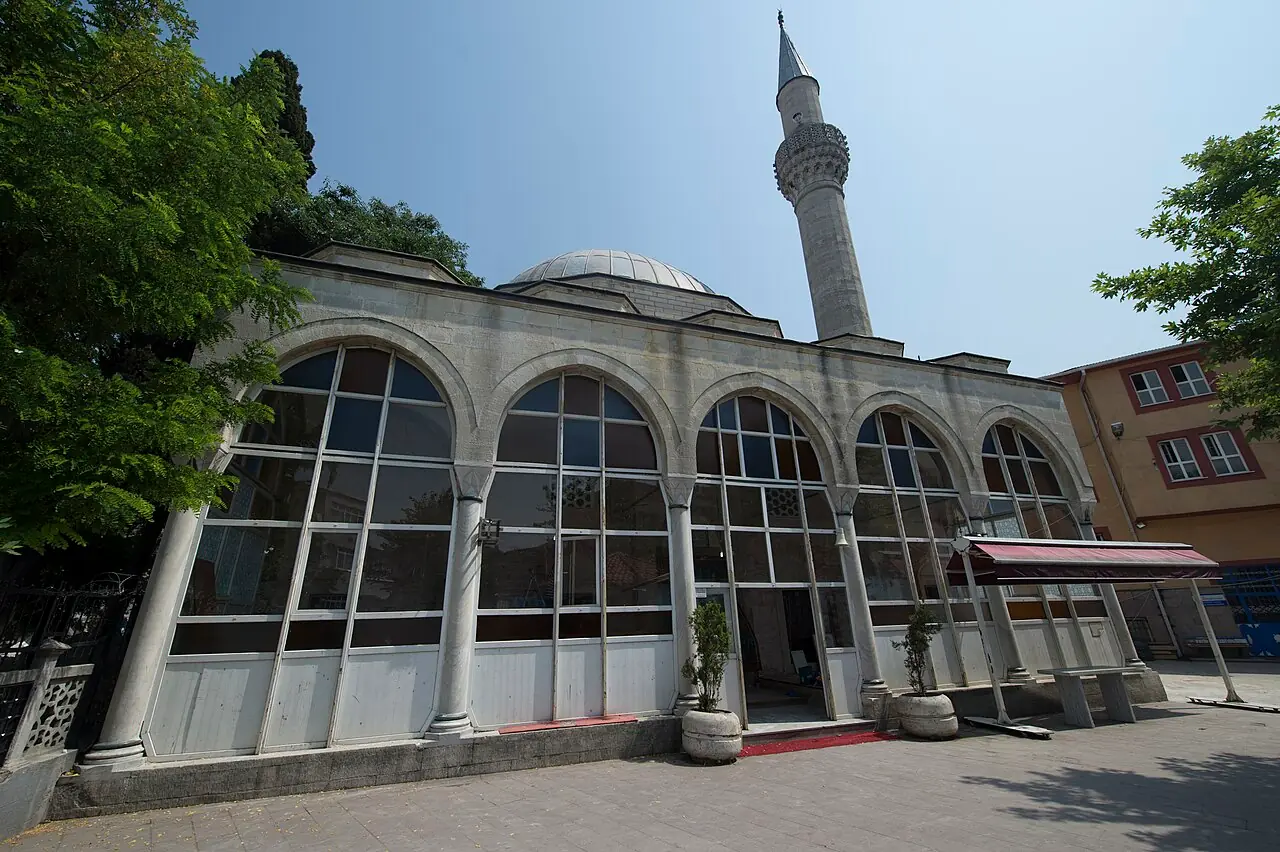
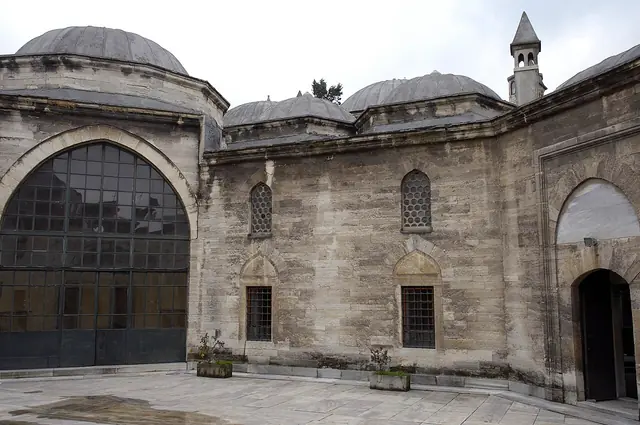
The mosque is a small square single-domed prayer hall built in Ottoman stone masonry. The northern portico (son cemaat yeri) is arranged on two storeys, with a women's prayer gallery on the upper level — an early example of a solution that would later become standard in modest foundations. The walls have four windows per side. The mihrab is plain; the minbar is wooden. There is one minaret with a single balcony. Originally the mosque functioned simultaneously as a place of prayer and as a Halveti tekke (dervish lodge), which explains the modest prayer hall combined with developed courtyard infrastructure.
In Sinan's evolution
Early career, three years after Sinan's appointment as chief imperial architect. The Yunus Bey commission is a minor court-official külliye — a typical training ground of Sinan's 1540s output, before Şehzade (1543). Notable for a stacked two-storey portico, an early test of vertical spatial layering.
Sinan Tree →Facts
- Founded by Yunus Bey, the Ottoman court's chief dragoman, who read and spoke more than a dozen languages. en.wikipedia.org
- Yunus Bey died during construction in 1541–42; his brother Mustafa Agha completed the complex. islamansiklopedisi.org.tr
- The mosque appears in Sinan's tezkerets — his autobiographical lists of works. en.wikipedia.org
- A living tradition holds that newly appointed Turkish Foreign Ministry officers pay their first visit to this 'dragoman's mosque'. istanbulunsirlari.net
- The northern portico is two-storeyed with a women's prayer gallery on the upper level — an unusual spatial solution for such a small early Sinan mosque. en.wikipedia.org
Photographs